
Formal Suit for Men: 10 Essential Tips for Choosing the Perfect Fit
When it comes to formal attire, a well-fitted suit is a timeless staple in every man’s wardrobe. Whether you’re preparing for a wedding, a job interview, or a formal event, understanding how to choose the perfect suit can significantly enhance your appearance and boost your confidence. Here are ten essential tips to consider when selecting a formal suit.

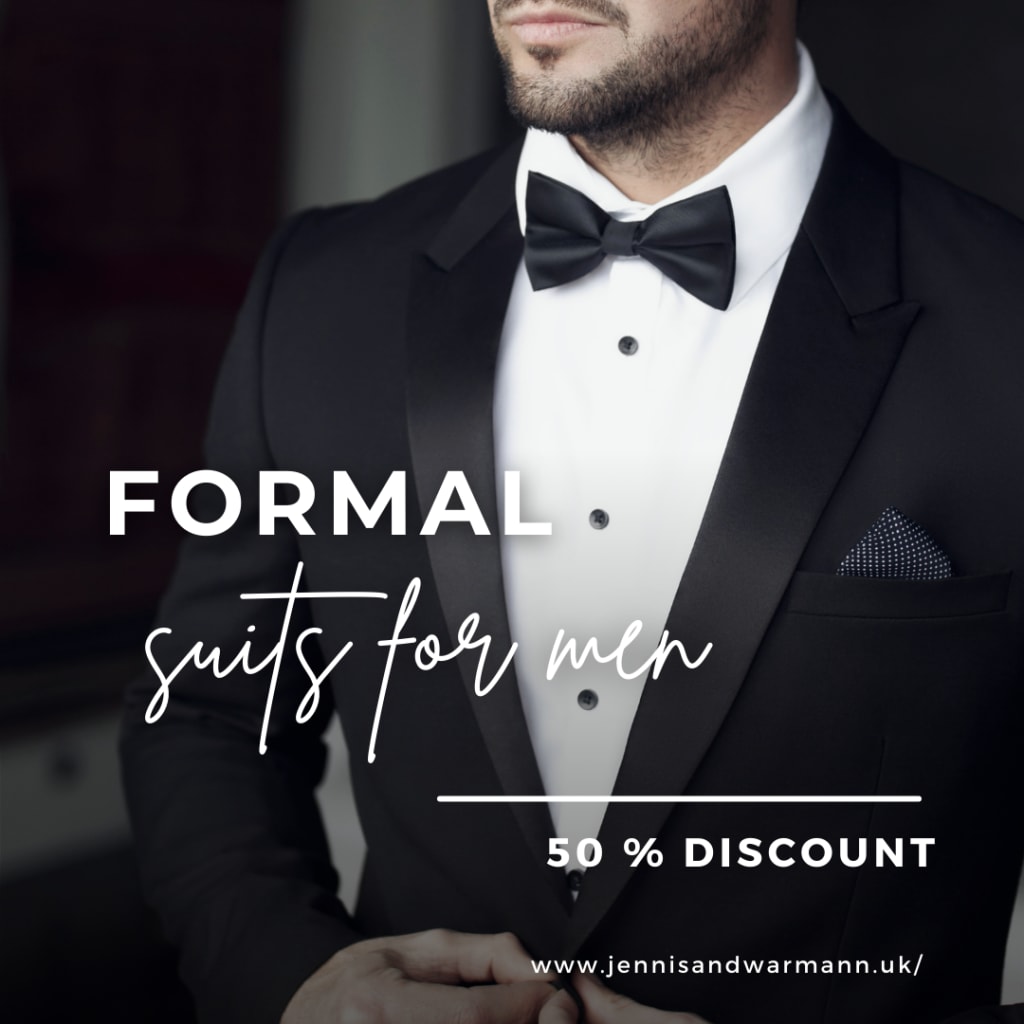
When it comes to formal attire, a well-fitted suit is a timeless staple in every man’s wardrobe. Whether you’re preparing for a wedding, a job interview, or a formal event, understanding how to choose the perfect suit can significantly enhance your appearance and boost your confidence. Here are ten essential tips to consider when selecting a formal suit for men.
1. Understand Suit Types
Before diving into the specifics of fabric and fit, it's crucial to understand the different types of suits available. Suits can generally be categorized into:
Single-Breasted: This is the most common type, featuring one row of buttons. It’s versatile and suitable for most occasions.
Double-Breasted: Characterized by two rows of buttons and a wider lapel, this style often conveys a more formal look and is typically chosen for special occasions.
Three-Piece Suits: These include trousers, a jacket, and a waistcoat. They provide an added layer of sophistication and are perfect for formal events.
Knowing which type suits your needs will help narrow down your options significantly.
2. Prioritize Fabric Quality
The fabric of your suit can dramatically affect its appearance, comfort, and durability. Here are some popular fabric choices:
Wool: The most popular choice for suits, wool is breathable and adaptable to various climates. Look for 100% wool or a wool blend for a more durable option.
Linen: Ideal for summer, linen is light and breathable but tends to wrinkle easily. It’s perfect for outdoor events or warmer climates.
Cotton: Often used in more casual suits, cotton is comfortable but may not hold its shape as well as wool.
Investing in high-quality fabric ensures that your suit not only looks good but also lasts for years to come.
3. Get the Right Fit
Fit is arguably the most important aspect of choosing a suit. A suit that fits well will enhance your body shape and improve your overall appearance. Here’s what to look for:
Shoulders: The suit jacket should fit snugly on your shoulders without being tight. There should be no creasing or pulling.
Chest: You should be able to comfortably button the jacket without straining. Aim for a little extra space for movement.
Sleeves: The sleeves should end at your wrist bone, exposing about half an inch of shirt cuff.
Trousers: The trousers should fit comfortably around your waist without the need for a belt. The length should slightly break at the top of your shoes.
4. Choose the Right Colour
Selecting the right colour for your suit is essential, as it can affect your overall appearance and the impression you make. Here are some classic options:
Navy: A versatile and flattering colour suitable for almost any occasion.
Charcoal Grey: Ideal for business settings, this colour projects professionalism.
Black: Perfect for formal events such as weddings or galas, but may not be suitable for everyday business wear.
Light Grey: Great for summer events or daytime occasions, light grey can be refreshing and stylish.
Earth Tones: Consider browns or tans for a more casual or relaxed setting.
5. Understand Lapel Styles
The lapel style can significantly influence the overall look of your suit. Common lapel types include:
Notch Lapel: The most common type, found on single-breasted suits. It’s versatile and suitable for various occasions.
Peak Lapel: This style has pointed edges and is often seen on double-breasted suits. It adds a touch of formality.
Shawl Lapel: Rounded and smooth, shawl lapels are typically used on tuxedos and can add elegance to evening wear.
Choosing the right lapel style can enhance your suit's overall appearance.
6. Accessorize Appropriately
Accessories can elevate your suit and showcase your personal style. Here are key accessories to consider:
Ties: Choose a tie that complements your suit and shirt. Solid colours or subtle patterns are generally safe choices.
Pocket Squares: This small accessory can add a pop of colour and personality to your outfit. Ensure it contrasts or complements your tie.
Shoes: The type of formal shoes men uk you wear can change the entire vibe of your suit. Oxfords are typically the best choice for formal events.
Belts: Match your belt with your shoes for a cohesive look. A leather belt is a classic choice.
7. Consider the Occasion
The occasion for which you're buying the suit will guide your decisions on style, colour, and fabric. For example:
Business: Opt for darker, solid colours and classic fits.
Weddings: Depending on the theme, you can choose brighter colours or more relaxed fits.
Formal Events: Tuxedos or suits with peak lapels are often expected.
Understanding the dress code will ensure you look appropriate and feel comfortable.
8. Check the Suit’s Construction
Quality construction is vital for ensuring that your suit not only fits well but also lasts. Look for:
Full Canvas vs. Fused: Full canvas suits are usually more expensive but offer better structure and longevity. Fused suits are less costly but may lose shape over time.
Stitching: Inspect the stitching for quality. Hand-stitched details indicate a higher-quality suit.
Interior Features: Check for inner pockets and lining. A well-lined suit enhances comfort and durability.
9. Plan for Seasonal Wear
Tweed suit mens 3 piece should be chosen based on the season to ensure comfort. Lighter fabrics like linen or cotton are excellent for summer, while heavier fabrics like wool are more suitable for winter. Consider investing in a versatile suit that can transition between seasons, such as a medium-weight wool suit.
10. Invest in a Good Tailor
Finally, don’t underestimate the importance of a good tailor. Even the most expensive suit may require adjustments for the perfect fit. Tailoring can help address customize your own shoes issues, such as sleeve length or waist adjustments, ensuring your suit looks custom-made.
Conclusion
Choosing the perfect formal suit involves understanding your body type, selecting high-quality fabrics, and ensuring the right fit. By following these ten essential tips, you can make informed decisions that enhance your style and confidence. Remember, a well-fitted suit is not just an outfit; it's an investment in your appearance and professional image.
About the Creator
Jennis & Warmann
A formal suit for men is the epitome of sophistication and style. Crafted from premium fabrics like wool or linen, it offers a sharp and polished look suitable for any formal occasion, whether it’s a business meeting or a wedding.
Keep reading
More stories from Jennis & Warmann and writers in BookClub and other communities.
10 Common Mistakes to Avoid When Buying a Formal Suit
A formal suit for men is a timeless investment in your wardrobe, but personalising it can elevate your style and make a memorable impression. Customising your suit allows you to infuse your personality and preferences into a classic garment, ensuring it reflects your unique taste. Here’s a detailed guide to ten effective ways to personalise your formal suit, enhancing its distinctiveness and ensuring it stands out from the crowd.
By Jennis & Warmannabout a year ago in BookClub
My New Book is Finally Here
My poetry collection Beautiful and Brutal Things is done. It's actually done and finally published over 270 pages. Over a year of my life went into this book. More than a year, really. Long days at my computer, sometimes seven days a week because I couldn't stop even when I probably should have. Then two months of editing that felt harder than the writing itself. But it's finished, and I'm still standing, and the book is real.
By Tim Carmichaela day ago in BookClub
Ludacris and Nelly draw backlash over bookings at MAGA-coded music festival
Ludacris and Nelly headlining a mostly right-wing event is good for them. It’s also great for the genre of hip hop. The two rap veterans have showcased their talents on other stages. Why can’t they perform for mostly MAGA folks and grab that bag?
By Skyler Saunders3 days ago in Beat




Comments
There are no comments for this story
Be the first to respond and start the conversation.