
Diffusing Music: How Technology and AI are Re-shaping the Soundscape
Ben Neill Explores the Evolution of Music in the Digital Age

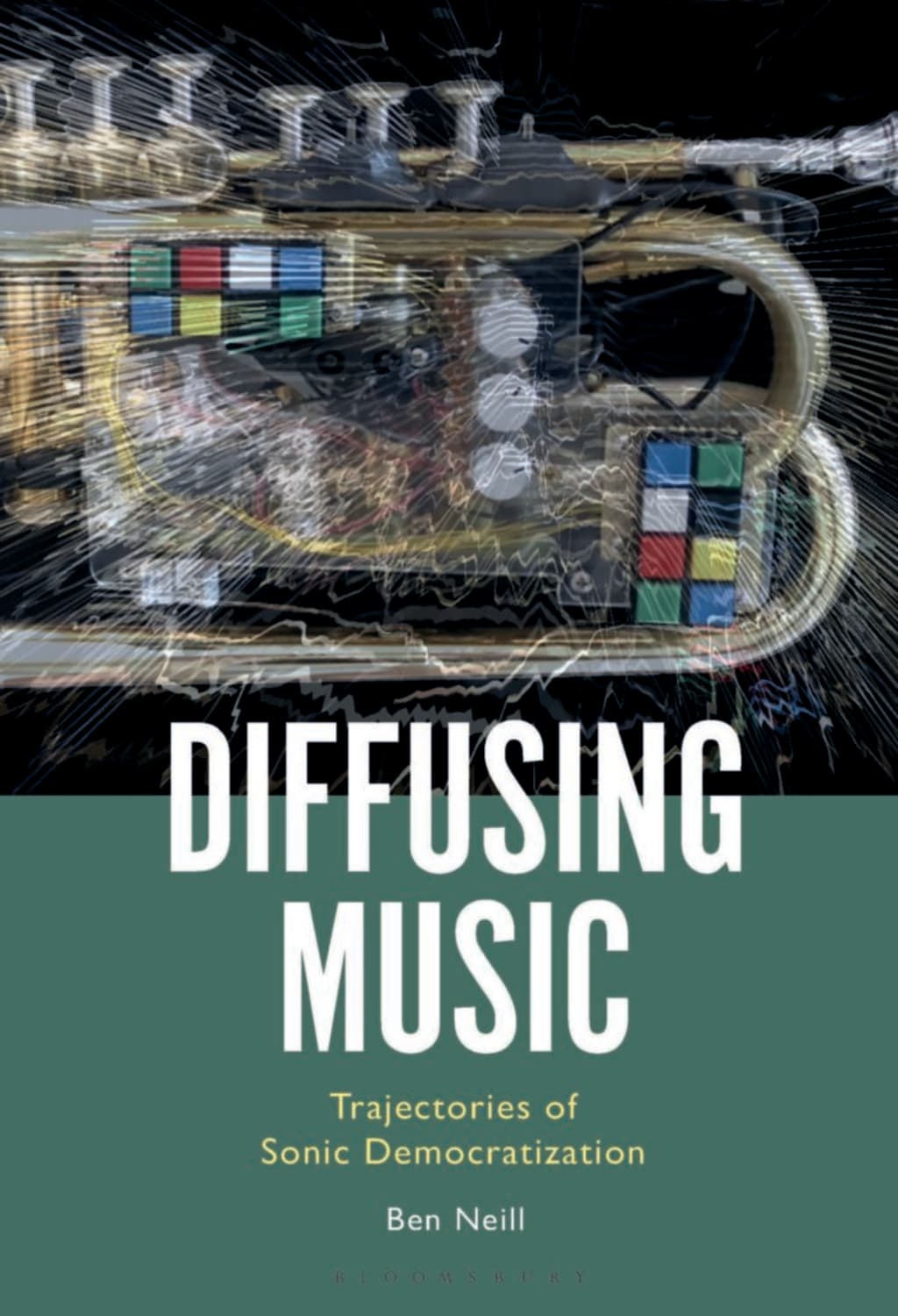
Ben Neill’s new book "Diffusing Music: Trajectories of Sonic Democratization" is a fascinating and deeply insightful exploration of how technology is transforming the way music is created, shared, and experienced.
Neill, a composer, performer, and inventor of the Mutantrumpet, which is a hybrid electro-acoustic instrument that fuses brass with electronic processing, brings a unique perspective to this discussion.
He has spent his career at the intersection of music and technology, working alongside legendary figures like Robert Moog, John Cage, and Pauline Oliveros, and his deep understanding of both the historical and contemporary music landscape makes this book a compelling read.
At its core, Diffusing Music examines how digital tools and artificial intelligence are dismantling traditional barriers to music-making. Neill traces this transformation from the early days of recorded sound to the digital revolution of the 21st century, exploring how innovations like MIDI sequencing, DAWs, and algorithmic composition have shaped modern music.
He provides a thoughtful, well-researched account of the ways in which music has always evolved alongside technological breakthroughs, from the invention of the phonograph to the rise of streaming platforms.
A central theme of the book is the democratization of music production and distribution.
Historically, the ability to record, produce, and release music was limited only to those with access to professional studios and industry connections.
Today, however, anyone with a laptop or smartphone can create and share their work with a global audience. Neill argues that this shift has empowered independent artists, allowing them to bypass traditional gatekeepers and forge their own paths. He highlights the emergence of bedroom producers, YouTube musicians, and TikTok-driven success stories as evidence that the industry is undergoing a profound transformation.
While Neill is optimistic about these changes, he also acknowledges the challenges and uncertainties that come with them. One of the book’s most thought-provoking sections examines the role of artificial intelligence in music composition and production. AI tools can now generate melodies, harmonies, and even lyrics, raising important questions about authorship and originality.
If a machine can compose a symphony or create a hit song, what does that mean for human creativity? Neill approaches this debate with nuance, recognizing both the exciting possibilities and the potential pitfalls of AI-driven music.
Instead of dismissing AI as a threat he views it as a tool for augmentation rather than replacement, capable of expanding artistic possibilities rather than diminishing them.
Neill’s personal experiences provide valuable insight into how technological innovation has always shaped experimental music. He recounts his collaborations with pioneers of electronic and avant-garde music, offering a behind-the-scenes look at how these artists embraced new technologies to push creative boundaries.
These anecdotes add a personal dimension to the book, making it not just a theoretical discussion but a lived experience of music’s ongoing transformation. His reflections on the downtown New York scene, ambient music, and electronic experimentation add richness to the narrative, making the book both informative and deeply engaging.
In addition to exploring AI’s impact on music-making, Neill delves into the broader cultural and historical implications of technological change. He draws parallels between today’s digital revolution and past moments of musical upheaval. For example, the rise of jazz in the early 20th century, the birth of rock ‘n’ roll, and the emergence of electronic music in the 1970's and ‘80s.
He argues that each of these shifts was met with resistance before eventually becoming an accepted part of the musical landscape. Today’s debates over AI and digital tools, he suggests, are simply the latest iteration of this ongoing process.
One of the book’s strengths is its ability to balance technical depth with accessibility. Neill explains complex concepts in a way that is clear and engaging, making Diffusing Music an ideal read for a broad audience. Whether you are a musician, a producer, an academic, or simply a music lover curious about the future of the art form, this book offers a wealth of insights without ever feeling overwhelming or overly technical.
While the book is largely optimistic about the ways in which technology is expanding creative possibilities, Neill does not shy away from discussing its downsides. He acknowledges concerns about algorithm-driven music recommendations, the homogenization of sound, and the financial struggles of independent musicians in the streaming era. But rather than take a strong dystopian view, he encourages readers to see these challenges as opportunities for artists to innovate and adapt.
Ultimately, Diffusing Music is a must-read for anyone interested in the intersection of music, technology, and culture.
It provides a thorough and thoughtful analysis of how digital tools and AI are reshaping the creative process, while also offering historical context and personal insight from a musician who has lived through decades of musical evolution. Neill’s expertise, combined with his engaging storytelling, makes this book both informative and inspiring.
As the music industry continues to evolve, Diffusing Music serves as a roadmap for the future, helping readers navigate the rapidly changing landscape with clarity and perspective.
It is a book that challenges assuptions, sparks curiosity and ultimately celebrates the limitless possibilities of music in the digital age.
About Ben Neill
Ben Neill is a composer, performer, and musical innovator best known for inventing the Mutantrumpet, a hybrid electro-acoustic instrument that merges brass with interactive electronics. His pioneering work blends elements of minimalism, ambient, and electronic music, creating immersive multimedia experiences.
Neill has collaborated with influential artists such as Robert Moog, John Cage, and Pauline Oliveros, and his performances have been featured at major venues and festivals worldwide.
Neill has recorded thirteen albums on labels including Universal/Verve, Thirsty Ear, Astralwerks, Six Degrees, and his own Blue Math label distributed by AWAL/Sony. His most recent recording, "Prana Cantos", was released on Six Degrees Records in 2023 as part of their Soundbalm series of music and meditation albums. He will release new music in early 2025.
Find out more about Ben Neill on his Website.
About the Creator
Keep reading
More stories from Whitney Miller and writers in BookClub and other communities.
Whiskers, Wanderlust & the World’s Street Cats
Welcome back to The Chapter Café, where stories are always on the menu and comfort is served by the chapter. I’m your host, Kristen, and today we’re curling up with a book that’s part travelogue, part love letter, and entirely purr-worthy. On today’s menu? Street Cats & Where to Find Them by Jeff Bogle—a photographic journey through the world’s most feline-friendly cities, told with warmth, wit, and a deep appreciation for the cats who roam them.
By Kristen Barenthaler3 days ago in BookClub




Comments
There are no comments for this story
Be the first to respond and start the conversation.