
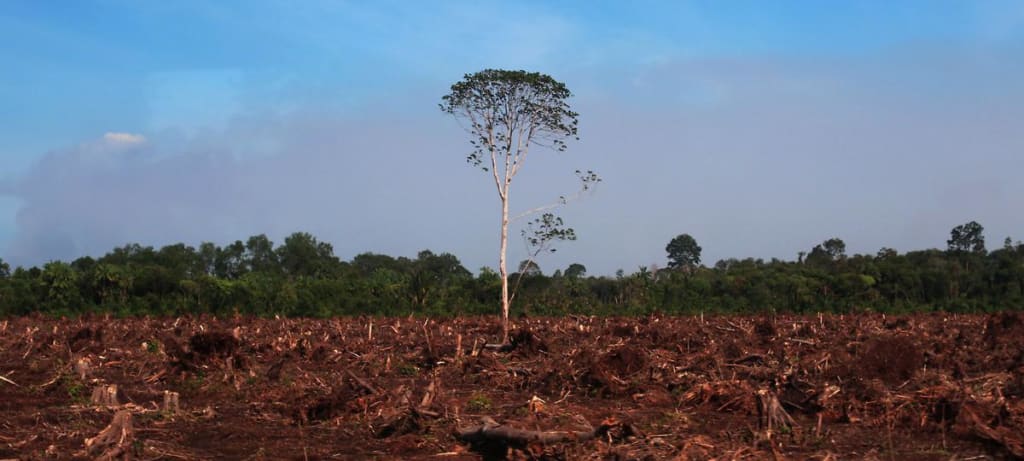
Deforestation: Unveiling the Environmental Crisis
The world's forests, spanning vast expanses of land and harboring an astonishing variety of life, have long been crucial to the health of our planet. However, the relentless process of deforestation threatens to unravel the delicate balance of ecosystems, disrupt local communities, exacerbate climate change, and cast a shadow over the future of our natural world.
The Anatomy of Deforestation: Causes and Consequences
Deforestation, at its core, involves the clearance of forests or wooded areas for various human activities. Agriculture, logging, urban expansion, mining, and infrastructure development are the main drivers of this destructive process. In the pursuit of economic growth and resource exploitation, humanity has sometimes overlooked the vital roles forests play in maintaining biodiversity, regulating climate, and sustaining livelihoods.
The consequences of deforestation are profound and far-reaching. One of the most immediate impacts is the loss of biodiversity. Forests are home to countless species, many of which are found nowhere else on Earth. As trees are felled and habitats destroyed, these species face displacement, endangerment, and even extinction.
Deforestation's Ripple Effect on Climate Change
Perhaps one of the most significant global concerns linked to deforestation is its contribution to climate change. Trees act as carbon sinks, absorbing carbon dioxide from the atmosphere and storing it as biomass. When forests are cleared, this stored carbon is released back into the air, amplifying the concentration of greenhouse gases that trap heat in the Earth's atmosphere.
The effects are undeniable. Rising temperatures, shifting weather patterns, and more frequent extreme weather events are all part of the climatic upheaval that can be traced, in part, back to deforestation. Furthermore, as forests disappear, so too do their abilities to regulate local climates, making communities more vulnerable to the impacts of changing weather.
Environmental Domino Effect: Cascading Consequences
The intricate web of life in forests is interconnected, and the removal of even a single element can set off a chain reaction of consequences. Deforestation can lead to soil erosion, destabilizing landscapes and affecting agriculture. It disrupts watersheds and water cycles, potentially causing shortages and negatively impacting aquatic ecosystems.
Loss of habitat is another cascading effect. As species lose their homes due to deforestation, predators, prey, and pollinators can all be affected, creating imbalances that ripple through ecosystems. The result is a gradual unraveling of the rich tapestry of life that forests sustain.
Deforestation's Human Toll: Indigenous Communities and Livelihoods
Indigenous communities around the world have often lived in harmony with forests for generations, relying on them for sustenance, culture, and identity. When forests vanish, these communities lose not only their physical resources but also their connection to ancestral lands. This loss can have profound cultural and psychological impacts, perpetuating the cycle of social and economic marginalization.
Additionally, local economies can suffer as forests disappear. Many communities depend on forests for timber, non-timber forest products, and ecotourism. When forests are not managed sustainably, these economic avenues can be short-lived, leaving communities without the resources they need to thrive.
The Path Forward: Conservation and Sustainable Practices
Recognizing the urgent need to address deforestation, global efforts are underway to combat this crisis. Conservation initiatives aim to protect vulnerable forest areas from further degradation. Reforestation and afforestation projects seek to replant trees and restore damaged ecosystems. Sustainable logging practices and responsible land-use planning can help strike a balance between human needs and ecological preservation.
International agreements, such as the United Nations' REDD+ program (Reducing Emissions from Deforestation and Forest Degradation), provide a framework for countries to collaborate in the fight against deforestation. By offering financial incentives for forest protection, REDD+ encourages nations to prioritize the preservation of their forests.
Conclusion
Deforestation is not just an ecological issue; it is a complex web of interconnected environmental, social, and economic challenges. The loss of forests threatens our planet's biodiversity, disrupts climate stability, and jeopardizes the well-being of countless communities. The consequences of unchecked deforestation are dire, but there is hope in the collective efforts to address this crisis. By embracing sustainable practices, supporting conservation efforts, and raising awareness about the importance of forests, we can pave the way for a future where the world's forests can thrive and continue to provide for generations to come.
About the Creator
Keep reading
More stories from writers in BookClub and other communities.
Rachel Reviews: Lakefront Wolves by Joseph Deegan
Meet Finn. He's an 18 year old kid who has potential. He's bright with great school scores and he's also an athlete, a footballer of some prowess. He has it all going for him, it would seem, and yet, he's determined to send what could be a well-planned, stable existence firmly off the rails. He drinks, he smokes, he takes drugs, he has violent tendencies and he's in danger of losing not only his mind but all that he holds dear.
By Rachel Deeming12 days ago in BookClub
8 Life-Changing Books That Will Help You Let Go
Whether we’re releasing past mistakes, painful relationships, regret, anger, or unrealistic expectations, the ability to let go determines how freely we live. Many people intellectually understand that they should move on, but emotionally, they remain trapped in cycles of rumination and attachment.
By Diana Meresc5 days ago in BookClub
Why Didn't Anyone Tell Us
Men, move along. This is not for you. This is for the women. I was forty-five when I began menopause. It is pretty young for that to be going on in a woman’s life, but I had undiagnosed PCOS, my entire life. Thank you to all the gynecologists I had seen my entire life. That in itself should encourage women to keep seeking second opinions, especially when you are not getting correct answers or any at all.
By Alexandra Grant3 days ago in Humans


Comments
There are no comments for this story
Be the first to respond and start the conversation.