
Careless People: A Cautionary Tale of Power, Greed, and Lost Idealism
A Deep Dive into Sarah Wynn-Williams’ Explosive Memoir
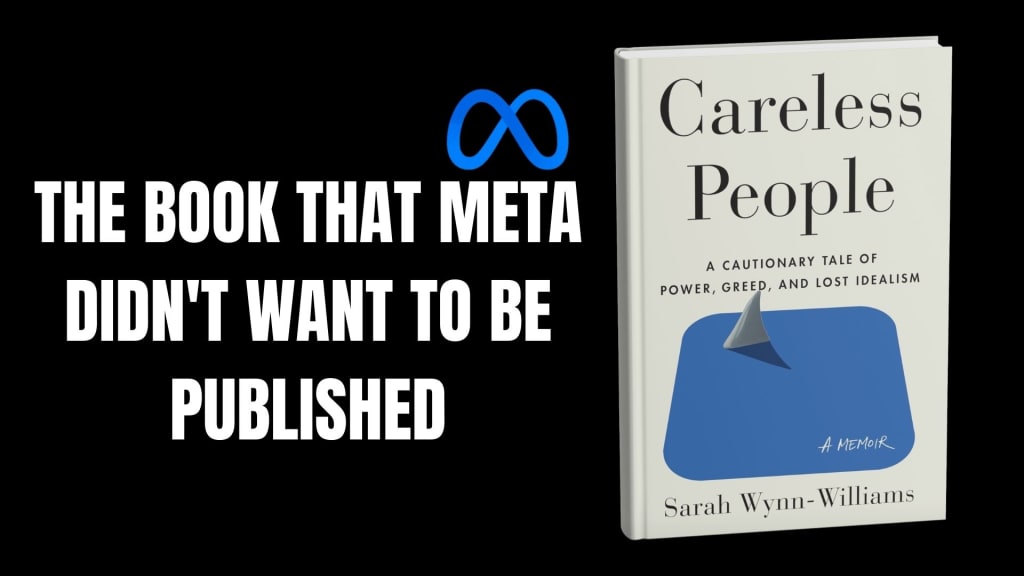
Picture this: a book drops into the world like a stone shattering a still pond, ripples racing outward, unstoppable. On March 11, 2025, Careless People: A Cautionary Tale of Power, Greed, and Lost Idealism thudded onto shelves, its 400 pages trembling with the weight of secrets. Published by Flatiron Books, this isn’t just a memoir—it’s a thunderbolt. Sarah Wynn-Williams, once perched high as Facebook’s global director of public policy, pries open the tech giant’s gleaming facade. What spills out is a tale of ambition gone feral, a culture warped by power, and a woman’s journey from starry-eyed believer to disillusioned truth-teller. The air crackles with her revelations, each page a spark igniting questions about the titans shaping our digital lives.
Listen to the audiobook for free
This article plunges into the marrow of Careless People. We’ll unravel its core argument, sift through its pulsing themes, trace the media storm it whipped up, and weigh the voices—praising and skeptical—that greeted it. Along the way, we’ll meet the author, a diplomat turned tech insider, and root her story in the sprawling history of Facebook’s ascent. Her perspective shifts like sand underfoot, and the literary laurels her work has snatched? They’re worth a look too. So, let’s dive in—the water’s deep, and the current’s strong.
The Heart of the Storm: Power Unchecked and Dreams in Ashes
At its beating core, Careless People warns of a beast unleashed: power without reins. Wynn-Williams argues that Facebook’s leaders—Mark Zuckerberg and Sheryl Sandberg chief among them—chased influence with a hunger that gnawed through ethics. As their dominion swelled, accountability shrank, shriveling into a husk. The fallout? Decisions that didn’t just ripple—they crashed, toppling dominoes across the globe. Think election tampering, hate speech blooming like weeds, societal fractures widening. She doesn’t just point fingers; she lived it, her own tale threading through the wreckage.
The title nods to F. Scott Fitzgerald’s The Great Gatsby, where the careless rich dance through life, leaving chaos in their wake. Here, Zuckerberg and Sandberg twirl as modern elites, their steps heavy with consequences. Wynn-Williams once saw Facebook as a lighthouse, guiding the world toward connection. But inside, she found a machine grinding ideals to dust, fueled by greed that glowed hot and unrelenting. Her disillusionment stings—sharp, personal, a blade twisting in the gut.
More threads weave through this tapestry. Misogyny lurks, a sour tang in the air, even under Sandberg’s banner of “lean in.” Wynn-Williams, a working mother, felt its bite, the double standards chafing like rough cloth. Then there’s social media itself—once a golden promise, now a megaphone for lies, hate, and division. She probes the tension between free speech and duty, asking: when does a platform’s shield become a sword? From early tangles with dictators to Zuckerberg’s squirming after Trump’s 2016 win, her insider lens catches it all, glinting with hard-earned clarity.
A Firestorm in Print: Media, Lawsuits, and Public Hunger
The book didn’t just land—it erupted. Careless People clawed its way to the top of the New York Times bestseller list, perched proudly on Amazon’s peak too. Success came fast, a wildfire fed by controversy. Meta, Facebook’s parent, swung hard, claiming Wynn-Williams breached a 2017 severance deal’s gag clause. Lawsuits flew, a desperate bid to smother her voice. Big mistake. The harder they pushed, the louder the world listened—a classic backfire, the Streisand effect in full roar.
The public ate it up. A lone insider taking on a titan? It was catnip. Sales surged as Meta’s legal flailing turned the book into a symbol, a fist raised against corporate might. Wynn-Williams doubled down, lobbing a whistleblower complaint at the SEC—word is, she accused Meta of tweaking content rules to cozy up to China. The plot thickened, a stew bubbling over, and the press couldn’t resist. The Observer dubbed it “book of the week,” while outlets from The Guardian to The New York Times dissected its every pulse. Controversy didn’t just sell copies—it cracked open a raw, urgent debate about power and truth in the tech age.
Voices in the Chorus: Critics and Readers Weigh In
The buzz around Careless People hums with awe and unease. Critics tossed out terms like “darkly funny” and “genuinely shocking,” their pens dancing over its pages. Jennifer Szalai of The New York Times hailed Wynn-Williams’ knack for spinning a yarn that grips tight. Ron Charles at The Washington Post chuckled at the irony—Facebook trying to ban a book about itself, like a snake eating its tail. Roxane Gay called it “incredible and necessary,” her words a torch lighting up the moral rot Wynn-Williams exposed.
Not everyone sang unqualified praise. Some readers flinched, the revelations landing like cold rain—“unsettling,” “disturbing,” they murmured. A Slate critic paused, squinting: sure, it’s a hell of a read, but isn’t Wynn-Williams part of the mess she’s skewering? Meta, predictably, snarled back, branding it “false accusations” and “stale gripes.” Their protests rang hollow against the tide of acclaim. On Goodreads and Amazon, fans gushed—“insightful,” “a must-read”—some even swore it felt like a thriller, pages flipping late into the night. The audiobook, voiced by Wynn-Williams herself, hit harder, her tone raw as scraped skin.
Listen to the audiobook for free
The Woman at the Helm: Sarah Wynn-Williams’ Path
Who is she, this voice shaking the tech world? Sarah Wynn-Williams started far from Silicon Valley, a New Zealand diplomat navigating the diplomatic currents of Washington, D.C. Then came the pivot—a leap into tech, pitching herself to Facebook with a hunger to meld diplomacy and digital reach. She landed big, rising to global director of public policy. That perch gave her a front-row seat to the company’s global sway, a view that sharpened her critique.
She left in 2017—or was pushed, Meta insists—her time there a bruise that wouldn’t fade. Since then, she’s turned to AI, but Careless People is her loudest mark yet. Her first book, it’s a reckoning born of scars, her diplomatic past lending weight to every word. She saw Facebook’s power up close, felt its tremors, and now she’s spilling it all.
A Giant’s Rise and Stumble: Facebook’s Shifting Shadow
The story unfolds against Facebook’s wild arc. When Wynn-Williams joined, it shimmered—a tool to knit the world together, a spark of democratic hope. Then came the climb, steep and breathless, until it loomed as a global colossus. By 2016, the shine dulled—election meddling, hate speech, Myanmar’s bloodshed—all bore its fingerprints. She charts the shift: early dances with autocrats, frantic scrambles post-Trump, a platform morphing from bridge to battering ram.
The public’s gaze shifted too. What once felt like a warm embrace turned cold, suspicion creeping in like frost. Wynn-Williams’ disillusionment mirrors that awakening, her words a cracked mirror reflecting a dream gone sour. It’s not just Facebook’s tale—it’s the tech world’s, a saga of growth outpacing grace.
From Believer to Betrayed: Her Voice Takes Shape
She didn’t start out to burn bridges. Wynn-Williams joined Facebook with eyes wide, sold on its promise to reshape the globe for good. Diplomacy through likes and shares—why not? But the cracks showed fast, widening under her feet. Careless People spills out in a rush, less a timeline than a flood of memory—funny, biting, achingly real. It’s coffee-shop chatter with a sting, her tone swinging from wry to wounded.
Critics call it memoir over manifesto, and that’s the hook. She doesn’t lecture; she pulls you in, close enough to feel the heat of her betrayal. Meta’s legal muzzle keeps her quiet now, but the book roars for her—a testament to a vision shattered, a warning carved from experience.
Literary Crowns and Bestseller Glory
Even before it hit shelves, Careless People had a glow—Goodreads pegged it as a spring must-read. Post-launch, it soared, topping New York Times and Sunday Times lists, a juggernaut of ink and fury. The Observer tapped it as “book of the week,” a badge of its heft. The nod to The Great Gatsby isn’t just flair—it’s a thread tying Wynn-Williams’ tale to timeless questions of power and ruin. This isn’t just a hit; it’s a marker, a story that’s landed and stuck.
The Verdict: A Tale That Clings
So, what’s the takeaway? Careless People hooks you—funny one minute, gut-punching the next. Critics rave, readers nod, some shudder. “Incredible,” they say, or “disturbing,” but rarely “skip it.” Meta’s flailing only stoked the flames, turning a memoir into a movement. It’s raw, it’s real, and yeah, it’s a little messy—exactly as it should be.
A Call Echoing Still
Careless People isn’t just words on a page—it’s a siren. Sarah Wynn-Williams, diplomat turned insider turned truth-teller, hands us a lens on a titan’s underbelly. Behind the screens and slogans, choices ripple out, heavy with cost. The dust’s still settling, but one thing’s clear: this conversation’s just begun, and she’s lit the fuse.
About the Creator
Francisco Navarro
A passionate reader with a deep love for science and technology. I am captivated by the intricate mechanisms of the natural world and the endless possibilities that technological advancements offer.
Keep reading
More stories from Francisco Navarro and writers in BookClub and other communities.
Fourth Wing by Rebecca Yarros Review
Navarre teeters on a razor’s edge, a kingdom stitched from old magic and fresh wounds. Its cliffs rise sharp against a sky heavy with secrets, the air thick with the tang of sulfur and the distant roar of wings. Here, dragons rule—beasts of scale and flame that bond with riders brave or mad enough to face them. Basgiath War College looms at the heart of it, a stone fortress where the Riders Quadrant churns out warriors or corpses, no in-between. This is the world of Fourth Wing, Rebecca Yarros’s 2023 fever dream of a fantasy, where power crackles like a storm and survival is a gamble with teeth.
By Francisco Navarro10 months ago in BookClub
My New Book is Finally Here
My poetry collection Beautiful and Brutal Things is done. It's actually done and finally published over 270 pages. Over a year of my life went into this book. More than a year, really. Long days at my computer, sometimes seven days a week because I couldn't stop even when I probably should have. Then two months of editing that felt harder than the writing itself. But it's finished, and I'm still standing, and the book is real.
By Tim Carmichael4 days ago in BookClub
7 Cyberpunk Books You Must Read In 2026
Cyberpunk isn’t just a literary genre—it’s a warning signal, a mirror, and a roadmap. Born at the intersection of rapid technological advancement and social decay, cyberpunk books explore high-tech futures haunted by low-life realities.
By Diana Merescabout 17 hours ago in BookClub



Comments (1)
Fantastic ♦️♦️♦️♦️