
Book Review: Atomic Habits
James Clear's Atomic Habits is a deep dive into the power of small, incremental changes in transforming your life.

Summary of "Atomic Habits" by James Clear
---
Introduction
James Clear's "Atomic Habits" is a deep dive into the power of small, incremental changes in transforming your life. It breaks down how habits work and how you can use them to your advantage. Clear emphasizes that success doesn't come from radical shifts or single monumental decisions but rather from tiny, consistent improvements. By mastering "atomic habits"—small actions that build up over time—anyone can create lasting positive changes in their life.
Clear’s work is a guide on how to rewire your brain for better habits, achieve long-term success, and overcome the challenge of bad habits through scientifically backed principles. This summary will break down each chapter, providing key insights and actionable takeaways to help you understand the essence of the book.
Chapter 1: The Surprising Power of Atomic Habits
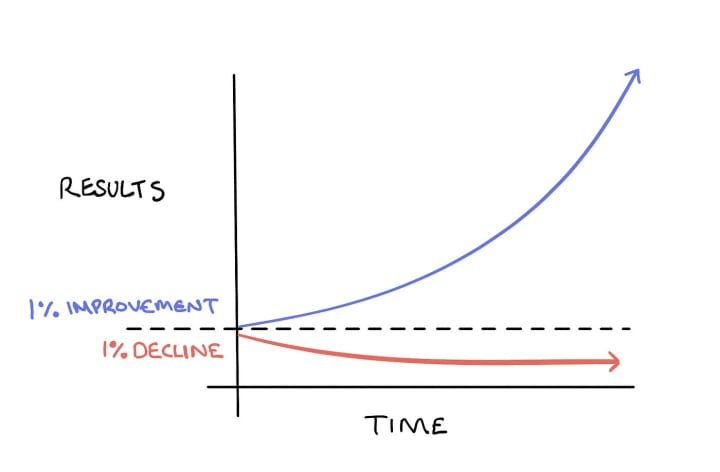
Clear begins by explaining the concept of *atomic habits*, which are small, routine actions that compound over time to produce significant results. He uses the analogy of compound interest—just as investments grow exponentially over time, so too do habits. The key idea here is that small changes, when applied consistently, yield massive returns.
He also introduces the 1% improvement rule, arguing that a 1% improvement every day adds up to substantial progress. Conversely, small negative actions can spiral into larger issues. Therefore, the focus should be on getting 1% better each day in various aspects of life.
**Key Takeaway:** Small changes may seem insignificant at first, but their cumulative effect can result in monumental transformation.
Click here to get Atomic Habits for free from Audible when you sign up for a free trial - click here for access.
Chapter 2: How Your Habits Shape Your Identity (and Vice Versa)
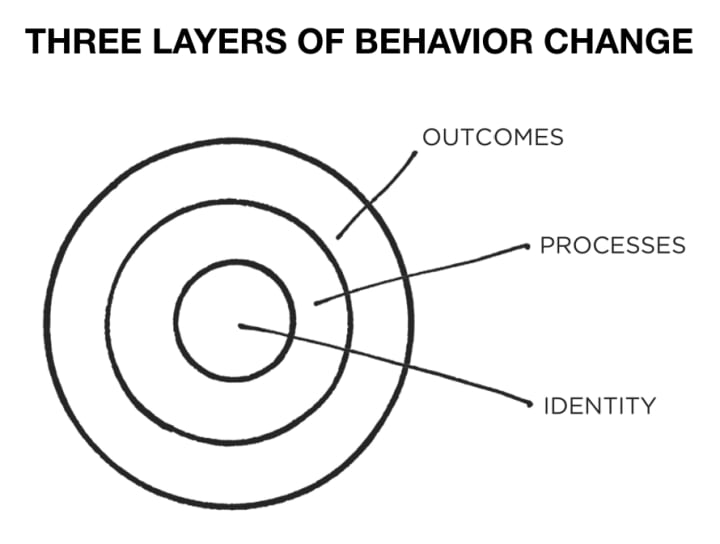
In this chapter, Clear introduces the relationship between habits and identity. Instead of focusing on the outcomes (what you want to achieve), he suggests focusing on the type of person you wish to become. He argues that habits are linked to identity; your current habits are a reflection of your beliefs about yourself. Therefore, to change your habits, you must change your identity.
Clear introduces a two-step process:
1. Decide the kind of person you want to be.
2. Prove it to yourself with small wins.
**Key Takeaway:** Focus on becoming the type of person who embodies the habits you want to adopt, and let your actions consistently align with that identity.
Chapter 3: How to Build Better Habits in 4 Simple Steps
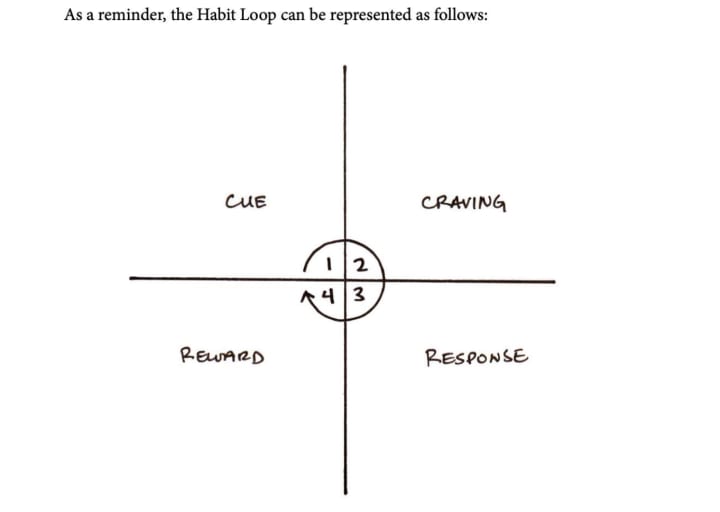
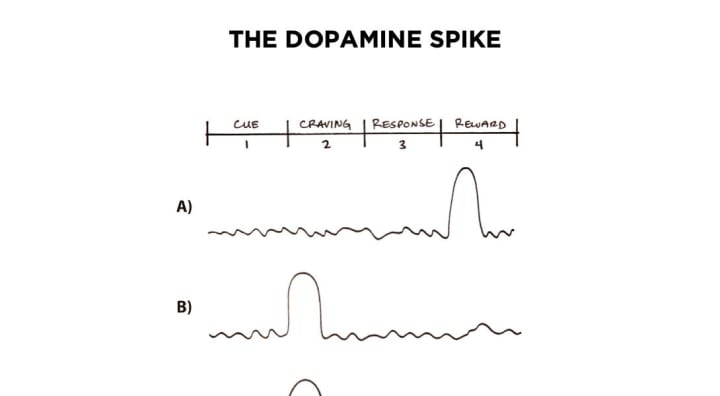
Clear introduces the **Habit Loop**, which consists of four stages: cue, craving, response, and reward. He breaks down how this loop works to create both good and bad habits. The cue triggers a craving, which leads to a response (the action or habit), followed by a reward that satisfies the craving. This loop continues to strengthen over time.
The key to changing habits lies in understanding and mastering these four stages. By manipulating the cues, cravings, responses, or rewards, you can reshape any habit.
**Key Takeaway:** Understanding the Habit Loop is essential to mastering the habits you want to adopt or eliminate.
Chapter 4: The Man Who Didn’t Look Right
In this chapter, Clear illustrates the power of cues in the habit formation process by sharing a story about a woman who intuitively knew that her husband was having a stroke based on subtle cues in his behavior. This story highlights the fact that many habits are triggered automatically by our environment and subconscious mind.
The chapter also delves deeper into how cues work and how you can manipulate your environment to encourage better habits. For instance, placing healthy food in visible areas increases the likelihood of eating healthily.
**Key Takeaway:** Our environment heavily influences our habits. By controlling the cues in your environment, you can trigger positive habits and reduce bad ones.
Chapter 5: The Best Way to Start a New Habit
Clear introduces the concept of *implementation intentions*—specific plans about when and where you will perform a particular habit. He argues that people who set clear, actionable intentions are far more likely to stick to their habits. Instead of vague statements like "I will exercise more," it’s better to say, "I will exercise for 20 minutes at 6 a.m. at the gym."
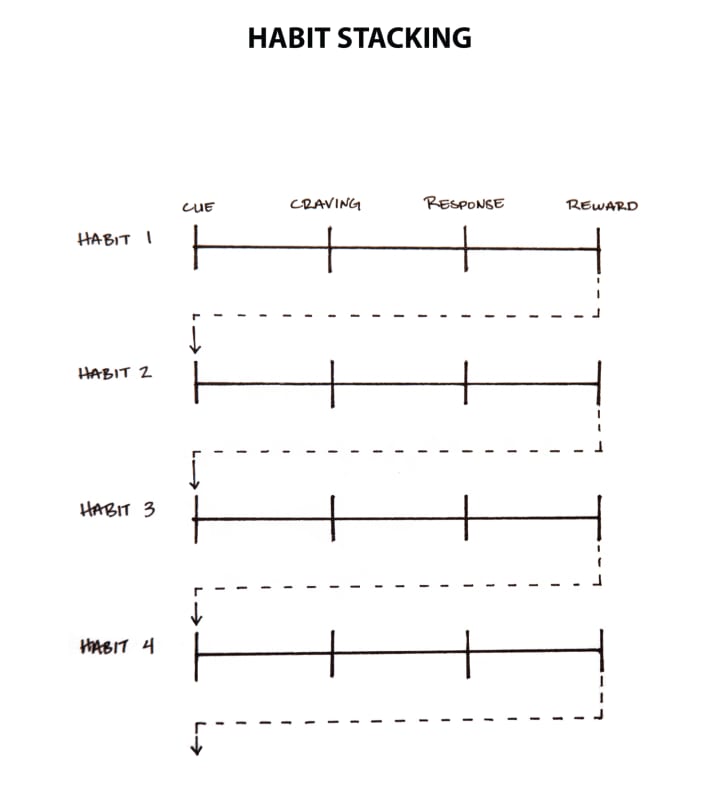
Another useful tool is *habit stacking*, where you link a new habit to an existing one. For instance, "After I brush my teeth, I will meditate for two minutes."
**Key Takeaway:** Being specific about when and where you'll perform a habit, and stacking it onto an existing habit, can significantly improve your consistency.
Click here to get Atomic Habits for free from Audible when you sign up for a free trial - click here for access.
Chapter 6: Motivation is Overrated; Environment Often Matters More
In this chapter, Clear argues that environment plays a far bigger role in shaping our habits than motivation. He emphasizes the importance of designing your environment in a way that supports your desired habits. For example, if you want to stop watching TV, you could remove the batteries from the remote or rearrange your furniture to make the TV less of a focal point.
The key idea is that it’s easier to follow through on good habits when your environment makes the cues for those habits obvious and accessible.
**Key Takeaway:** Your environment should be designed to make good habits easy and bad habits hard.
Chapter 7: The Secret to Self-Control
Clear debunks the myth that people with great self-control are simply more disciplined. Instead, he argues that people who appear to have strong self-control are often those who have structured their lives to minimize exposure to temptation.
The key to self-control is not willpower but creating an environment where the bad habit cues are absent. For example, instead of relying on willpower to resist junk food, simply don’t keep it in the house.
**Key Takeaway:** Self-control is largely about avoiding temptations altogether by designing your environment to support better choices.
Chapter 8: How to Make a Habit Irresistible
Clear explains the importance of *dopamine* in habit formation, noting that habits become more attractive when associated with anticipation and craving. By making the desired habit more enticing and enjoyable, you can increase the likelihood of sticking with it. One strategy is to combine something you want to do with something you need to do, such as listening to your favorite podcast while working out.
**Key Takeaway:** To create lasting habits, make them more attractive by finding ways to pair them with something enjoyable or rewarding.

Chapter 9: The Role of Family and Friends in Shaping Your Habits
Clear argues that the people you spend time with greatly influence your habits. Humans are inherently social creatures, and we tend to adopt the behaviors and habits of those around us. This is why aligning your environment, including your social circles, with your desired habits is crucial. Surround yourself with people who embody the habits you want to cultivate.
**Key Takeaway:** Your social environment is a powerful force in shaping your habits, so choose your influences wisely.
Chapter 10: How to Find and Fix the Causes of Your Bad Habits
Clear addresses the root causes of bad habits, arguing that many of them arise because we’re trying to solve problems or alleviate discomfort. The key to overcoming bad habits is to identify the cues and cravings that drive them. For example, if you overeat when stressed, finding alternative coping mechanisms for stress can help break that habit.
**Key Takeaway:** Bad habits often stem from an attempt to meet underlying needs. Identifying and addressing those needs is the key to breaking the habit.
Click here to get Atomic Habits for free from Audible when you sign up for a free trial - click here for access.

Chapter 11: Walk Slowly, but Never Backward
This chapter focuses on the long-term journey of habit building. Clear emphasizes that consistency is more important than perfection. The goal should be continuous improvement, not immediate success. Setbacks are inevitable, but the focus should be on recovering quickly and avoiding all-or-nothing thinking.
**Key Takeaway:** The most important thing is to keep moving forward, even if progress is slow. Consistency trumps perfection.
Chapter 12: The Law of Least Effort
Clear argues that humans naturally gravitate toward the path of least resistance. Therefore, the key to sticking with a habit is to make it as easy as possible to perform. For example, if you want to read more, place books in easily accessible places.
On the flip side, you should make bad habits harder to engage in by increasing friction. For example, if you want to stop using social media, you could log out of your accounts after each session.
**Key Takeaway:** Make good habits easier and bad habits harder by reducing or increasing the effort required to perform them.
Chapter 13: How to Stop Procrastinating by Using the Two-Minute Rule
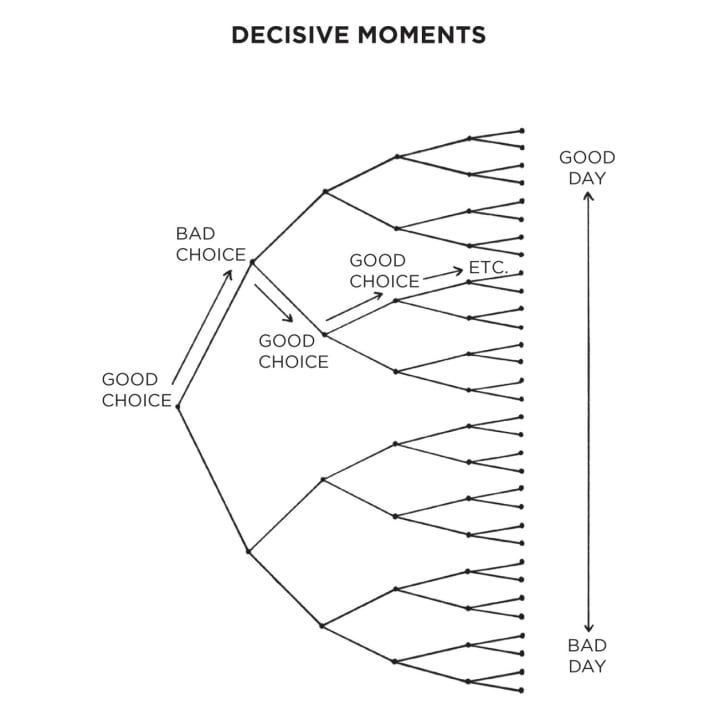
The *Two-Minute Rule* states that when starting a new habit, it should take less than two minutes to do. This helps build momentum, making it easier to expand on the habit later. For example, if your goal is to run, start by putting on your running shoes and walking for two minutes. Once the habit is established, it becomes easier to build upon it.
**Key Takeaway:** Start small. Break down habits into tiny, manageable actions that can be completed in two minutes or less.
Click here to get Atomic Habits for free from Audible when you sign up for a free trial - click here for access.
Chapter 14: How to Make Good Habits Inevitable and Bad Habits Impossible
Clear suggests using *commitment devices* to make good habits inevitable. These are pre-made decisions or arrangements that force you into following through on your habit. For example, setting an automatic deduction for a savings account makes saving money inevitable.
He also discusses how to design systems that make bad habits impossible, like blocking certain apps during work hours to prevent distractions.
**Key Takeaway:** Design systems and commit to actions that make good habits automatic and bad habits nearly impossible to engage in.
Chapter 15: The Truth About Talent (When Genes Matter and When They Don’t)
Clear acknowledges the role of talent and genetics in shaping who we are, but argues that habits allow us to maximize our natural
potential. The key is to focus on habits that align with your strengths. Choose activities that feel naturally satisfying and enjoyable, as they are easier to turn into long-term habits.
**Key Takeaway:** Focus on building habits that play to your strengths, as these are more likely to stick and bring success.
Chapter 16: The Goldilocks Rule: How to Stay Motivated in Life and Work
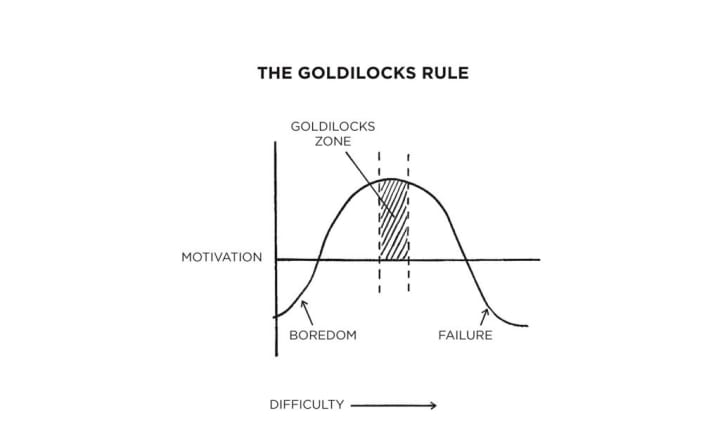
Clear introduces the *Goldilocks Rule*, which states that humans experience peak motivation when working on tasks that are at the edge of their abilities—neither too easy nor too difficult. He suggests that to stay motivated, you should continuously challenge yourself just enough to maintain interest without becoming overwhelmed.
**Key Takeaway:** To stay motivated, focus on tasks that are just beyond your current abilities but not too far out of reach.
Click here to get Atomic Habits for free from Audible when you sign up for a free trial - click here for access.
Chapter 17: How to Keep Your Habits on Track
Clear discusses the importance of measuring your progress and reviewing your habits regularly. He suggests using habit tracking, where you mark off each day you complete a habit. This visual reinforcement helps maintain motivation and accountability.
**Key Takeaway:** Track your habits to maintain consistency and use the data to reflect on your progress.
Chapter 18: The Downside of Creating Good Habits
Clear ends by discussing the potential downsides of habit formation. While habits can automate positive behaviors, they can also lead to complacency if left unchecked. He emphasizes the importance of continuously refining your habits to ensure you are growing and not stagnating.
**Key Takeaway:** Be mindful of becoming complacent with your habits. Regularly evaluate and adjust them to ensure continuous growth.
Conclusion
"Atomic Habits" provides a comprehensive framework for understanding, building, and sustaining habits. James Clear’s emphasis on small, incremental improvements, the power of environment, and the importance of identity-driven habits offers practical strategies that can lead to significant personal growth. Whether you're looking to break bad habits, build good ones, or achieve long-term success, *Atomic Habits* provides actionable steps to help you get there.
By focusing on small, consistent changes, and optimizing your environment and identity, you can create a system that makes success inevitable.
Click here to get Atomic Habits for free from Audible when you sign up for a free trial - click here for access.
Note: This article contains affiliate links, which means at no additional cost to you, we will receive a small commission if you make a purchase using the links.
About the Creator
Keep reading
More stories from writers in BookClub and other communities.
My New Book is Finally Here
My poetry collection Beautiful and Brutal Things is done. It's actually done and finally published over 270 pages. Over a year of my life went into this book. More than a year, really. Long days at my computer, sometimes seven days a week because I couldn't stop even when I probably should have. Then two months of editing that felt harder than the writing itself. But it's finished, and I'm still standing, and the book is real.
By Tim Carmichael11 days ago in BookClub
8 Great Books to Become Mentally Unstoppable
Becoming mentally unstoppable isn’t about suppressing emotions or forcing positivity at all costs. It’s about building psychological resilience, emotional regulation, clarity under pressure, and the ability to move forward even when life resists us. In a world defined by uncertainty, constant comparison, and cognitive overload, mental strength has become a core life skill, not a personality trait.
By Diana Meresc3 days ago in BookClub




Comments
There are no comments for this story
Be the first to respond and start the conversation.