
Atomic Habits vs The Psychology of Money: Which Book Will Change Your Life?
Small Behavior Changes vs Big Money Decisions

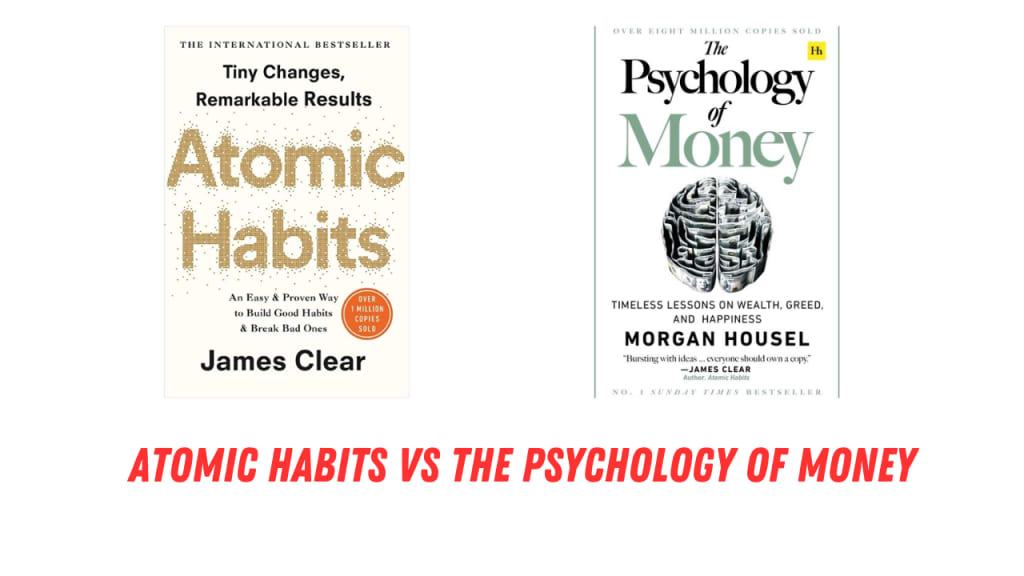
Atomic Habits is a guide to building good habits and breaking bad ones using a system of small, consistent changes. James Clear dives into the science of behavior, showing how tiny adjustments to your daily routine can lead to transformative results over time.
On the other hand, The Psychology of Money explores how people think about money and why traditional financial advice often fails. Morgan Housel emphasizes the role of emotions, personal history, and human behavior in financial decision-making.
Though these books tackle different subjects—habit formation and money mindset—they share a core message: success depends more on how you think and behave than on raw knowledge or strategy.
Atomic Habits: A Blueprint for Long-Term Growth
Atomic Habits is built around the idea that small changes compound over time. Rather than focusing on massive goals, Clear encourages readers to commit to tiny "atomic" habits that are easy to maintain but powerful in their cumulative effect.
Key lessons from Atomic Habits include:
- The 1% Rule: Improving by just 1% every day can lead to remarkable long-term results.
- The Four Laws of Behavior Change: Make it obvious, make it attractive, make it easy, and make it satisfying.
- Identity-Based Habits: Focus on who you want to become, not just what you want to achieve.
The strength of the book lies in its actionable advice and clear framework. Readers learn to design systems rather than chase goals, ensuring that progress feels automatic and sustainable.
The Psychology of Money: Understanding the Human Side of Wealth
Unlike traditional personal finance books that focus on budgeting, investing, or debt reduction, The Psychology of Money explores the emotional and psychological factors that influence financial decisions.
Key insights from The Psychology of Money include:
- Behavior Matters More Than Knowledge: Financial success is often less about intelligence and more about discipline, patience, and emotional control.
- Everyone Has a Different Money Story: Your background and experiences shape how you think about risk, spending, and saving.
- Wealth Is What You Don’t See: True wealth isn’t flashy; it’s the money you don’t spend, the savings you accumulate quietly.
Housel’s book helps readers understand their own biases and improve their relationship with money by focusing on long-term thinking and emotional stability.
Atomic Habits vs The Psychology of Money: Similarities

Despite their different topics, these books have several things in common:
- Focus on Behavior: Both emphasize the power of consistent behavior over time. Whether you’re building a habit or managing money, the key is to make good decisions repeatedly.
- Science-Based, But Simple: Clear and Housel both use research and psychology to support their arguments but present them in an easy-to-digest way.
- Practical Wisdom: These are not abstract theories. Each book offers real-life examples and tools that readers can apply immediately.
Key Differences Between the Two Books

Here’s a comparison of the key differences between Atomic Habits by James Clear and The Psychology of Money by Morgan Housel across several important aspects:
1. Core Theme
- Atomic Habits: Focuses on behavioral change, habit formation, and how small daily improvements lead to significant long-term results.
- The Psychology of Money: Explores the emotional and psychological aspects of personal finance, emphasizing how people think about and behave with money.
2. Main Goal
- Atomic Habits: To help readers build good habits and break bad ones using a practical framework.
- The Psychology of Money: To help readers understand how emotions, biases, and psychology influence financial decisions and wealth-building.
3. Approach
- Atomic Habits: Structured, action-oriented, with step-by-step methods like the 4 laws of behavior change.
- The Psychology of Money: Reflective and story-based, using anecdotes and insights to encourage self-awareness about money.
4. Audience
- Atomic Habits: Anyone looking to improve productivity, self-discipline, or personal growth through better habits.
- The Psychology of Money: Readers interested in personal finance, investment behavior, and the mindset behind wealth.
5. Tone and Style
- Atomic Habits: Clear, motivational, and practical; emphasizes strategy and repetition.
- The Psychology of Money: Philosophical, narrative-driven, and introspective; emphasizes mindset and historical context.
6. Key Concepts
Atomic Habits:
- Identity-based habits
- Habit stacking
- Cue, craving, response, reward
- The 1% rule of compounding improvements
- The Psychology of Money:
- Wealth is what you don’t see (savings vs spending)
- Risk and uncertainty
- Time horizon and compounding
- Luck and personal behavior in financial success
7. Practicality
- Atomic Habits: Highly actionable with exercises and methods to implement immediately.
- The Psychology of Money: More reflective, offering guiding principles rather than step-by-step advice.
8. End Goal for Reader
- Atomic Habits: To help readers master their daily routines and achieve goals through consistency.
- The Psychology of Money: To encourage wise financial thinking and long-term emotional stability with money.
Both books are complementary—Atomic Habits improves how you do things daily, while The Psychology of Money helps you understand why you make financial choices.
Which One Should You Read First?

If your goal is to take action and start making small improvements to your life, Atomic Habits is the clear choice. It gives you a roadmap to change your behavior and improve your daily routines—whether you’re trying to exercise more, eat better, or be more productive.
If you’re struggling with financial stress or want to understand your relationship with money, start with The Psychology of Money. It will help you see why you make the financial decisions you do and how to develop a healthier, more realistic approach to wealth.
Can You Read Both Together?

Absolutely—and they complement each other perfectly.
- Use Atomic Habits to build consistent behaviors like saving regularly, budgeting effectively, or tracking your expenses.
- Apply insights from The Psychology of Money to make smarter emotional and strategic decisions with the money you manage through those habits.
Together, these books can provide both the "how" and the "why" behind sustainable personal growth.
Reader Reviews and Reception

Both books have been widely praised for their clarity and impact:
- Atomic Habits has sold over 15 million copies worldwide and is a favorite among productivity enthusiasts.
- The Psychology of Money has been translated into dozens of languages and is highly recommended by financial advisors and everyday readers alike.
Readers frequently say that these are two of the most life-changing books they’ve ever read—not because they offer quick fixes, but because they change the way you think.
Read More: Atomic Habits vs The Art of Laziness: Two Paths to Success
Final Thoughts: A Mindset for Success
In the debate of Atomic Habits vs The Psychology of Money, there’s no real winner—because both offer invaluable lessons. They approach personal development from different angles, but their common theme is clear: success is built on consistent behavior, long-term thinking, and deep self-awareness.
If you’re serious about improving your life, consider reading both. Start with the one that feels most urgent for you right now. Then, circle back to the other for a well-rounded foundation in both habit formation and financial thinking.
About the Creator
pestosol
Hi.
I am Hmimda 30 years old From Algeria. I am a blogger. I like to share articles about decoration and designs
My New Book is Finally Here
My poetry collection Beautiful and Brutal Things is done. It's actually done and finally published over 270 pages. Over a year of my life went into this book. More than a year, really. Long days at my computer, sometimes seven days a week because I couldn't stop even when I probably should have. Then two months of editing that felt harder than the writing itself. But it's finished, and I'm still standing, and the book is real.
By Tim Carmichael2 days ago in BookClub
7 Contemporary Romance Books Everyone Should Read In 2026
Love is timeless, but the stories we tell about it evolve with the world around us. Contemporary romance captures the pulse of modern relationships, blending passion, humor, and emotional depth with the realities of our everyday lives. Unlike classic romance, contemporary tales often tackle themes like career challenges, cultural differences, mental health, and personal growth—making them both relatable and inspiring. In a world where connection is increasingly digital, these books remind us of the beauty of vulnerability, the excitement of chemistry, and the transformative power of love.
By Diana Meresc7 days ago in BookClub
How to Succeed at the Benson Directory®
Congratulations and welcome to the Benson Directory® employee #22391! As our newest call handler, you will have the privilege of speaking with dozens of unique and interesting people on a daily basis as well as the opportunity to earn bonuses for high performance. Contained within this handbook you will find a set of ease to follow instructions designed to help you settle in to your new role and begin paving the way to success.
By S. A. Crawford2 days ago in Fiction




Comments (1)
Thanks for this article it is thoroughly explained