

The Badshahi Mosque, located in Lahore, Pakistan, is an enduring symbol of Mughal architectural excellence. Commissioned by Emperor Aurangzeb in 1671 and completed in 1673, it remains one of the largest mosques in the world. Its grandeur lies not only in its immense scale but also in its breathtaking design, blending Persian, Islamic, and Indian influences.
The mosque’s imposing red sandstone façade, coupled with white marble domes and intricate calligraphy, showcases the finest artistry of the Mughal era. Its vast courtyard, capable of holding over 55,000 people, is a place of reflection and worship, while its towering minarets, standing 176 feet tall, command the skyline of Lahore.
Inside, the mosque’s walls are adorned with delicate frescoes, marble motifs, and intricate carvings that reflect the skilled craftsmanship of the time. The mosque's location, near Lahore Fort, adds to its historical significance, as it played a role in key historical events.
Despite the passage of centuries, the Badshahi Mosque remains a symbol of cultural pride and religious devotion. Visitors from around the globe flock to witness its majesty, which continues to inspire awe and reverence, standing as a timeless representation of Pakistan’s rich heritage.
About the Creator
Keep reading
More stories from Ahmad Noman and writers in BookClub and other communities.
The Historic Citadel of Peshawar
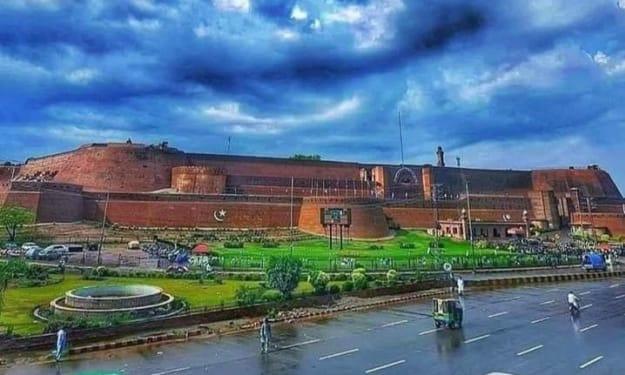
Bala Hissar Fort: The Historic Citadel of Peshawar Bala Hissar Fort, an ancient citadel located in Peshawar, Pakistan, is a historical landmark that has stood the test of time. Its name, meaning "High Fort" in Persian, reflects its strategic location on an elevated plateau, offering a commanding view of the city and surrounding plains. The fort has played a vital role in the region’s history, serving as a defensive stronghold for various empires over centuries.
By Ahmad Nomanabout a year ago in BookClub
Rachel Reviews: The Spiral Archive by Pieter Hendrik
It's difficult for me to know where to start with a review of this book as it was, for me, an entirely unique experience and one that I'll probably never have again. I don't want that to be interpreted as unenjoyable but it has left me scratching my head a little and ruminating on its content, its themes and its characters.
By Rachel Deeming11 days ago in BookClub
7 Books That Only the Most Curious Ever Finish
There are books, and then there are books that challenge the very way we think—works that demand patience, focus, and a relentless curiosity. These are not your casual weekend reads; they are mental marathons. They ask profound questions, layer complexity upon complexity, and often leave the reader transformed by the end. Only the most curious, the most persistent, the readers who delight in intellectual adventure, ever finish them.
By Diana Merescabout 7 hours ago in BookClub


Comments
There are no comments for this story
Be the first to respond and start the conversation.