
A Story of Michael Madhusudan Dutt and the Mela
In the quiet town of Jessore, nestled along the banks of the Bhairab River, something magical stirred every January. As winter’s grip loosened slightly, villagers from miles around would gather under the mellow sun, where poems danced in the breeze and history lived in the words of a forgotten genius. This was no ordinary fair. This was the Michael Madhusudan Dutt Mela, a celebration of poetry, pride, and the pioneering spirit of Bengal’s first modern poet.

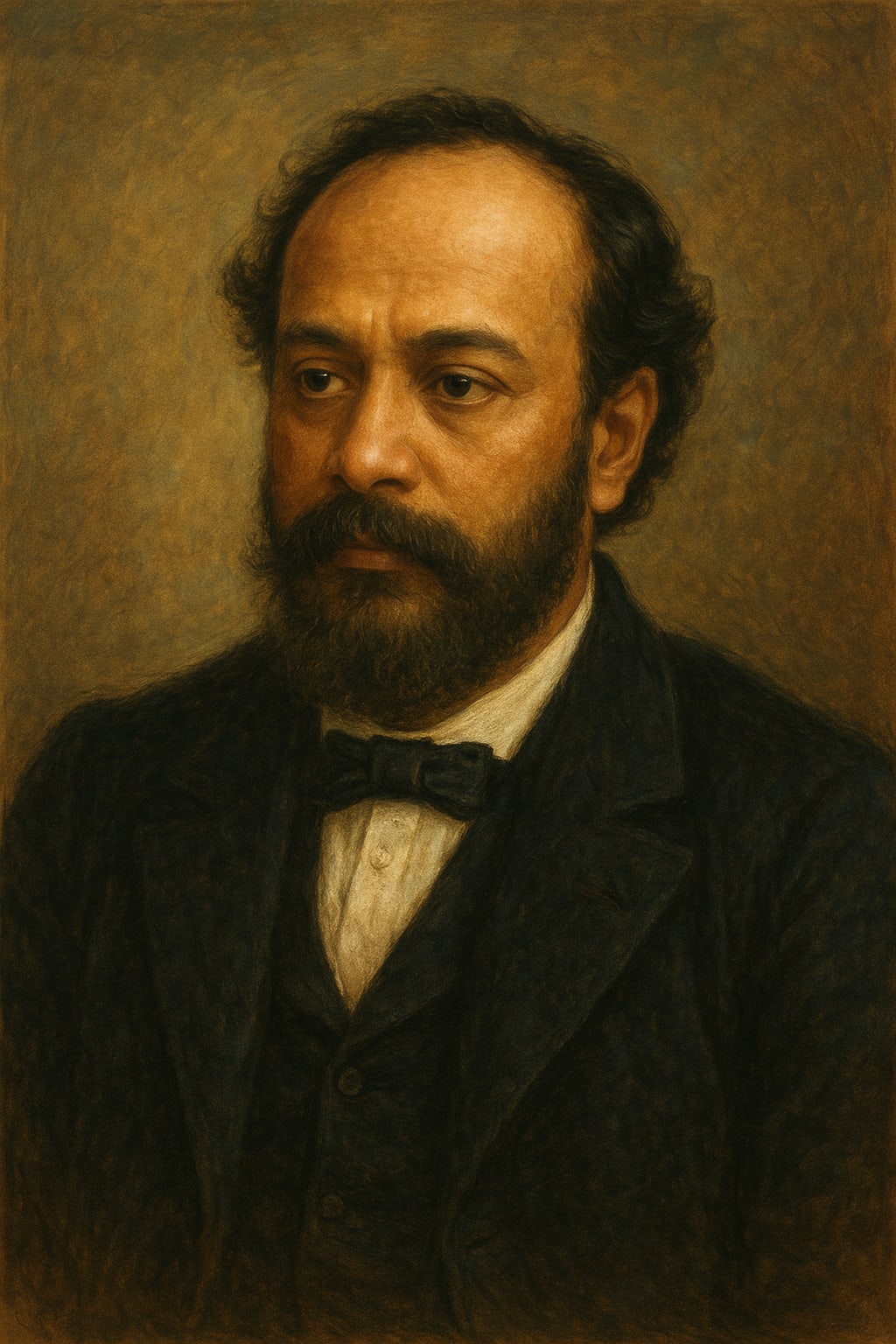
Michael Madhusudan Dutt and the Sagardari Mela: Honoring a Bengali Literary Pioneer
Michael Madhusudan Dutt (1824–1873) is regarded as one of the most significant figures in Bengali literature. Born in Sagardari village in present-day Jessore district of Bangladesh, Dutt was a trailblazer who introduced modernism to Bengali poetry and broke away from traditional forms and themes. Each year, thousands of admirers, scholars, and cultural enthusiasts gather in his birthplace to attend the Michael Madhusudan Dutt Mela, a cultural fair that pays tribute to his life, works, and enduring legacy.
Early Life and Background
Michael Madhusudan Dutt was born on January 25, 1824, into a well-to-do Hindu Kayastha family in Sagardari, Jessore. From an early age, he showed signs of brilliance and a passion for poetry. He was educated at Hindu College in Calcutta (now Kolkata), where he was deeply influenced by English literature, particularly by poets like John Milton and Shakespeare.
In a time when India was still under British rule and societal norms were rigid, Dutt defied convention. In 1843, he converted to Christianity and adopted the name “Michael,” a move that created much controversy within conservative Bengali society. He later traveled to Madras (now Chennai) and eventually to England and France in pursuit of legal education and literary ambition.
Literary Contributions
Michael Madhusudan Dutt is best remembered for introducing blank verse into Bengali poetry and for his epic poem “Meghnad Badh Kavya” (The Slaying of Meghnad), published in 1861. The poem reimagines a character from the Indian epic Ramayana, portraying Ravana’s son Meghnad as a tragic hero. This reinterpretation marked a turning point in Bengali literature and showcased Dutt’s deep understanding of classical forms, mythology, and Western literary structures.
Apart from “Meghnad Badh Kavya,” he also wrote plays such as “Sharmistha,” “Krishna Kumari,” and “Tilottama Sambhav Kabya.” His works often blended Indian themes with Western literary forms, making him one of the first truly modern Bengali writers.
The Sagardari Mela
In memory of this great poet, the Michael Madhusudan Dutt Mela is held every year around his birth anniversary in Sagardari, his ancestral village. The fair, organized by the District Administration of Jessore in collaboration with the Bangladesh Shilpakala Academy, usually begins in mid-January and lasts for a week.
The mela is held on the grounds surrounding the Michael Madhusudan Memorial Complex, which includes:
His restored ancestral home
A museum featuring his handwritten letters, first editions of his works, and personal belongings
A library and auditorium for cultural events
Visitors from across Bangladesh—and even from India—come to attend this event. It is not only a literary celebration but also a vibrant cultural festival.
Events and Activities
The Michael Madhusudan Mela features a wide range of events that reflect the poet’s diverse interests and lasting influence. Key highlights include:
Poetry Recitations and Competitions – Young and old poets recite both Dutt’s works and their own, inspired by his legacy.
Dramatic Performances – Local theatre groups perform plays written by Dutt or based on his life and literary contributions.
Book Fairs – Stalls selling Bengali literature, biographies, and scholarly works about Madhusudan are set up by publishers and bookstores.
Cultural Shows – Music, dance, and folk performances are held every evening, showcasing the rich heritage of Bengal.
Seminars and Discussions – Academics, writers, and historians gather to discuss Dutt’s role in the evolution of Bengali literature.
Exhibitions – Art and photography exhibitions often portray scenes from Madhusudan’s life, his travels, and literary journey.
In addition to literary and cultural programs, the fair also includes stalls selling local crafts, food, and traditional clothing, turning the event into a gathering of both intellect and community spirit.
Historical and Educational Significance
The fair not only celebrates Madhusudan’s poetry but also provides an educational opportunity for younger generations to learn about the roots of Bengali literature. School and college students visit the mela on educational trips, and many competitions are organized to engage them with literary activities.
The Michael Madhusudan Memorial Museum, located at the heart of Sagardari, plays a vital role in preserving the poet’s memory. It displays several important artifacts:
Original manuscripts and handwritten notes
Letters exchanged with friends and family
Rare photographs
A timeline of his life and travels
The government of Bangladesh, recognizing the cultural importance of the poet and the fair, continues to invest in infrastructure and facilities around Sagardari to accommodate the growing number of visitors every year.
Madhusudan’s End and Legacy
Despite his literary fame, Michael Madhusudan Dutt’s life was filled with hardship. After returning from Europe, he lived in Kolkata and struggled financially. He died on June 29, 1873, in poverty. He was buried at the Lower Circular Road Cemetery in Kolkata.
Yet, his literary legacy has only grown with time. He is now considered the father of modern Bengali poetry and is studied in schools and universities across Bangladesh and West Bengal.
The annual fair in Sagardari ensures that his contributions are not forgotten. It brings together scholars, artists, students, and villagers alike in a shared celebration of Bengali identity, language, and pride.
Conclusion
The Michael Madhusudan Dutt Mela is more than just a fair—it is a heartfelt tribute to a man who reshaped the course of Bengali literature. Through his bold voice, innovative style, and cross-cultural imagination, Dutt bridged the East and West in ways few had dared before. The fair held in his birthplace of Sagardari stands as a testament to his enduring spirit and reminds all who attend of the timeless power of poetry and creativity.
About the Creator
AMIT
Experienced in Data Entry, Web Research, and Lead Generation. I deliver accurate, on-time results to help businesses grow. Reliable, detail-oriented, and always ready to assist with your data needs.
Rachel Reviews: Lakefront Wolves by Joseph Deegan
Meet Finn. He's an 18 year old kid who has potential. He's bright with great school scores and he's also an athlete, a footballer of some prowess. He has it all going for him, it would seem, and yet, he's determined to send what could be a well-planned, stable existence firmly off the rails. He drinks, he smokes, he takes drugs, he has violent tendencies and he's in danger of losing not only his mind but all that he holds dear.
By Rachel Deeming15 days ago in BookClub
Hottest in the Office
Dear Rafi, You’re very distracting to work around. For the first second I saw you the other day, I thought you were some type of executive. It took a moment to realize no, you were just the new guy, dressed up for the job he wants. Be still, my heart.
By Gabriel Shames6 days ago in Pride




Comments
There are no comments for this story
Be the first to respond and start the conversation.