
5 Great Literary Villains
The power of character with no moral boundaries

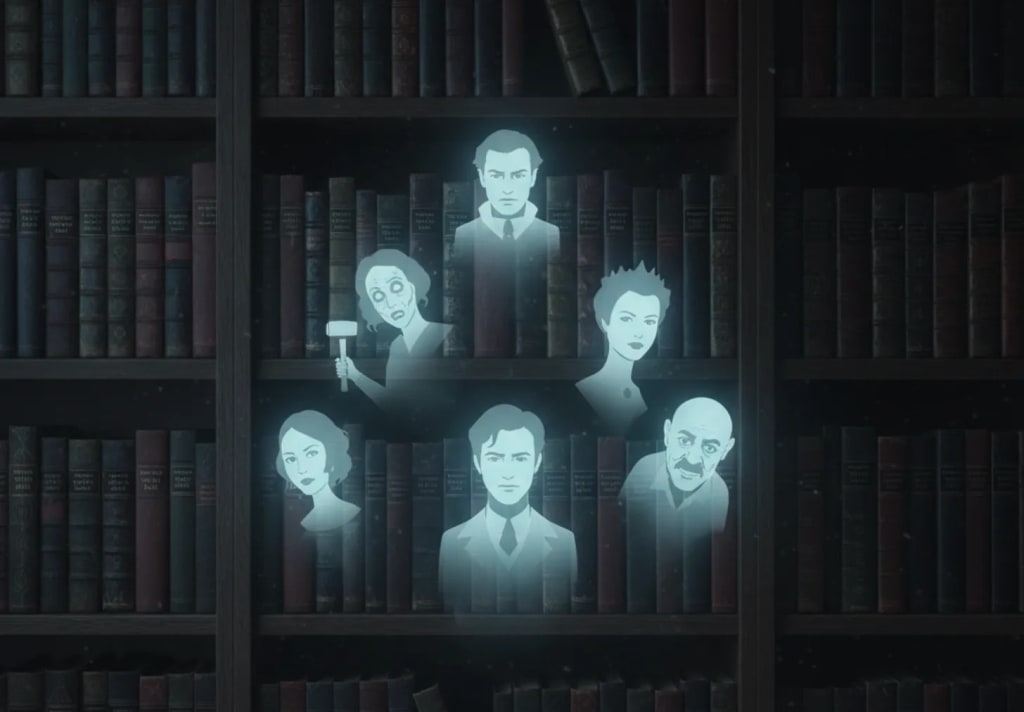
Every great story requires a force of darkness to challenge the protagonist, but the most enduring villains represent more than just opposition; they embody a terrifying truth about human nature.
Here are five such characters who explore the spectrum of literary villainy from some of my favourite books. So, take a walk with me through some of the most socially corrupt and truly horrific characters in literature and explore the unique qualities that transform a simple foe into an unforgettable villain.
Annie Wilkes - Misery
You never know which Annie Wilkes is going to walk through the door at any given time in the book. That is what makes her so powerful. For a novel largely set in one room, Misery is a compelling read due to the strength of its villain.
Annie is not just physically brutal at times, but she also plays psychological games to the highest degree. Her villainy stems from an extreme, fanatical obsession with Paul Sheldon’s work, rather than a desire for money or political power. Yet, she still wields extreme power over him. She is unpredictable, sadistic, and has a complete lack of moral boundaries, which makes her truly horrific and terrifying.
Professor Moriarty - Sherlock Holmes
When you have a character as strong as Sherlock Holmes, you need an equally strong nemesis. Professor Moriarty fills this void perfectly. He is as clever as Holmes and can truly battle him on an intellectual level. His villainy operates on such a high intellectual and calculating level that you are as impressed with him as you are appalled.
However, you know very little about him. He operates in the shadows, getting others to do his work for him. He is a true criminal mastermind and a perfect reflection of Holmes himself, representing the protagonist’s intellectual capacity turned to evil.
Alec D’Urberville - Tess of the d’Urbervilles
Alec D’Urberville is another character who acts as the complete reflection of the book’s protagonist. Tess Durbeyfield is innocent and pure until she meets Alec, and everything bad that happens to her is because of his actions.
He is not a powerful lord or a criminal genius, but a man of pure moral corruption who ruins a young girl’s life for his own pleasure. Historically, he perfectly illustrates the social corruption of the Victorian era.
Starting the novel as a dashing, good-looking man, he uses his charms and social status to take what he wants without thought for the consequences. His lasting villainy throughout the book centres on these themes of sexual exploitation and social abuse, ultimately culminating in the end of the book.
Cersei Lannister - A Song of Ice and Fire
There are so many characters from this series who could have earned this spot, and I contemplated her father, Tywin, but for me, Cersei has that slight edge. Her villainy is driven by pure ambition and an intense maternal protectiveness. She will succeed and does not care who she destroys in the process; enemies and family are treated equally in her quest for power.
She is a master of political manipulation, showing that villains do not need to be physically strong, but clever. This is mixed with an intensely strong maternal instinct and love for her children.
For me, the most potent example of her ruthlessness is the implied murder of her childhood friend, Melara Hetherspoon, a horrific act hinted at through Cersei’s internal monologue which truly shows the extent of her early capacity for evil and self-preservation.
Uriah Heep - David
Just reading the physical description of Uriah Heep in the books shows that he is a villain. He is physically as repulsive as his actions. His villainy, like Cersei’s, is rooted in a desire for social climbing. He uses psychological manipulation against many of the well-loved characters in the books, which would turn any reader against him.
He is, in fact, responsible for blatant criminality by the end of the novel, having committed fraud, embezzlement, and forgery against Mr
Dickens’s prose makes you instinctively dislike the man. His clammy hand and his constant use of the word ‘umble’ (humble) give the reader the impression of needing a bath after reading about him. His false humility masks a deep-seated resentment, which Dickens uses as a criticism of the social hypocrisy of the time.
He is truly the slimiest of all our villains.
Who Did I Miss?
Not all these villains are outright evil. Some are manipulative and ambitious, villainy can come in many forms in literature. They are also all driven by different motivators. The most enduring villains, therefore, are those who not only commit horrific acts but are morally corrupt. They encourage the readers to confront the nature of human darkness.
Their combined legacy proves that a great villain requires not just cleverness or strength, but the terrifying unpredictability that arises when a character has no limits.
Tell me in the comments, who I missed. Who do you consider to be one of the greatest villains in literature?
Come and join my FREE bookclub next year, I will be posting details on my newsletter next week.
About the Creator
Sam H Arnold
Fiction and parenting writer exploring the dynamics of family life, supporting children with additional needs. I also delve into the darker narratives that shape our world, specialising in history and crime.
Keep reading
More stories from Sam H Arnold and writers in BookClub and other communities.
Rachel Reviews: Lakefront Wolves by Joseph Deegan
Meet Finn. He's an 18 year old kid who has potential. He's bright with great school scores and he's also an athlete, a footballer of some prowess. He has it all going for him, it would seem, and yet, he's determined to send what could be a well-planned, stable existence firmly off the rails. He drinks, he smokes, he takes drugs, he has violent tendencies and he's in danger of losing not only his mind but all that he holds dear.
By Rachel Deeming11 days ago in BookClub
8 Books Worth Sitting Down and Reading
In a world dominated by scrolling feeds and endless notifications, reading a book has become a radical act of focus and self-enrichment. Books are not just vessels of stories—they are gateways to knowledge, empathy, and critical thinking. But with thousands of titles published every year, which books truly deserve our time?
By Diana Meresca day ago in BookClub
📢 Raise Your Voice Thread: 03/05/2026
Our “Raise Your Voice Threads” are hosted most alternating Thursdays at 12PM ET to offer creators more avenues to uncover exceptional stories on Vocal. As we are continuously searching for fresh creators and inspiring stories, this thread provides an opportunity to exchange and discuss the stories that have moved and motivated us on Vocal.
By Raise Your Voice by Vocal7 days ago in Resources



Comments
There are no comments for this story
Be the first to respond and start the conversation.