
15 Personal Growth Books to Read in 2024
Personal Growth

When my life starts to spiral out of control, I notice certain telltale signs: I become unfocused, lose motivation, and question the meaning of my actions. Recognizing these symptoms early on is crucial, as it allows me to address my physical health, mental well-being, and overall vitality with greater mindfulness, helping me realign my path.
I also find it helpful to revisit personal growth and self-improvement books. They remind me of key insights, such as: a) The fulfillment of pursuing my goals is far greater than the transient enjoyment of socializing. b) My ability to achieve significant results when I concentrate on the right tasks.
I admit, I approach these books with a degree of skepticism. Their value largely depends on my willingness to apply their principles; otherwise, they remain mere words on a page. The quality of the book plays a significant role in this.
Exceptional authors don’t just offer frameworks for growth but also inspire motivation. While I enjoy reading summaries, I prefer diving into full texts for personal development. A well-written book provides a deeper motivation to act.
I’ll update this list as I discover new books, with the latest update as of February 12, 2024. Feel free to check my virtual bookshelf for current reads!
________________________________________
Affiliate Disclosure:Some of the links in this article are affiliate links to Amazon. This means I may earn a small commission if you make a purchase through these links at no extra cost to you. Your support helps me to continue providing valuable content. Thank you for your support!
_________________________________________
Atomic Habits
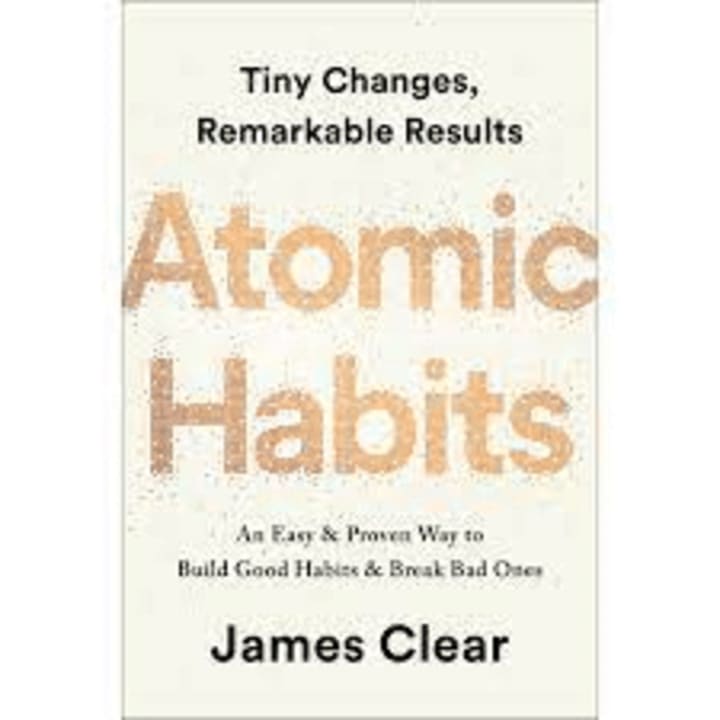
“Atomic Habits” by James Clear is a deeply insightful self-help book that delves into the intricate connection between habits and identity. Clear’s research-driven and practical approach makes it a valuable resource for personal development.
The book centers on Clear’s ‘Four Laws of Behavior Change’: Make it Obvious, Make it Attractive, Make it Easy, and Make it Satisfying. By breaking down habit formation into these straightforward components, Clear provides an actionable framework for enacting positive change. This methodical approach transforms habit change from a daunting challenge into manageable steps.
Clear’s focus on small, incremental changes—‘atomic’ habits—is particularly impactful. Instead of aiming for drastic, overnight transformations, Clear advocates for consistent, minor improvements, illustrating their cumulative effects over time. This perspective is a refreshing departure from typical personal development narratives.
The concept of identity-based habits is another key insight, encouraging us to reshape our self-image to align with the habits we wish to adopt. This perspective emphasizes that our habits are not just actions but integral to our identity.
Despite its depth, “Atomic Habits” is highly accessible. Clear’s engaging writing style, relatable anecdotes, and practical advice make the strategies easy to understand and implement.
“Atomic Habits” is a transformative book in personal development, offering a clear, flexible framework for habit formation and change. It’s essential reading for anyone looking to break bad habits or cultivate new ones, demonstrating how small changes can significantly impact our lives.
Pages: 319
Price: $13.99
Year: 2018
Feel Good Productivity
I’m a huge admirer of Ali Abdaal, the successful YouTuber who transitioned from a medical career to focus on content creation in the productivity realm. I've been following his videos for years and eagerly grabbed his book as soon as it launched in December.
Abdaal doesn’t disappoint as an author. His book is engaging, direct, and rich with scientific research supporting his productivity framework. The central theme is refreshing: “The secret to productivity isn’t discipline. It’s joy.”
Instead of adhering to the typical productivity advice centered around discipline and habit formation, Abdaal's approach emphasizes discovering what brings you joy and removing obstacles that hold you back. This method is rooted in his own journey from medicine to YouTube.
Overall, it’s an excellent read. While applying the concepts might be challenging—much like with many books on this list—it’s no surprise this book quickly became a bestseller.
Pages: 292
Price: $14.99
Year: 2022
________________________________________
Think and Grow Rich
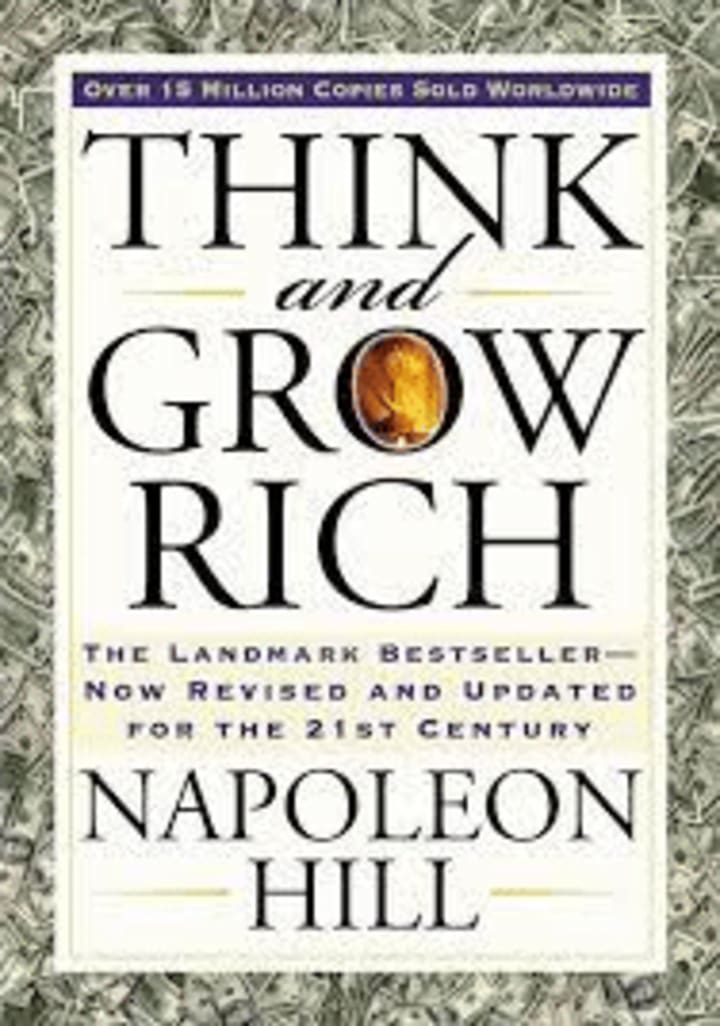
"Think and Grow Rich" by Napoleon Hill is a timeless classic in the self-help genre. Written during the Great Depression, it offers insights and principles that continue to inspire and empower readers today.
Hill skillfully combines philosophy with actionable advice, encouraging a mindset shift toward positivity and prosperity. He posits that thoughts are immensely powerful, shaping one’s destiny. The book’s central idea—achieving wealth as a natural outcome of a positive mindset and specific principles—is profoundly impactful.
Structured into 13 steps covering topics like desire, faith, autosuggestion, and specialized knowledge, the book illustrates these principles with compelling real-life examples and anecdotes. However, Hill’s metaphysical reflections may be challenging for some to fully grasp or apply.
Though the book shows its age in both language and occasional outdated references, its core wisdom remains relevant. Its historical context reflects the perspectives of white men, which might not resonate with all readers.
Despite its limitations, "Think and Grow Rich" provides more than just financial advice. It fosters personal qualities such as resilience, determination, and unwavering self-belief—principles that extend far beyond wealth creation.
A foundational piece of self-help literature, "Think and Grow Rich" continues to be a pivotal read for those looking to harness the power of the mind for achieving success and abundance.
Pages: 303
Price: $2.85
Year: 1937
The 7 Habits of Highly Effective People
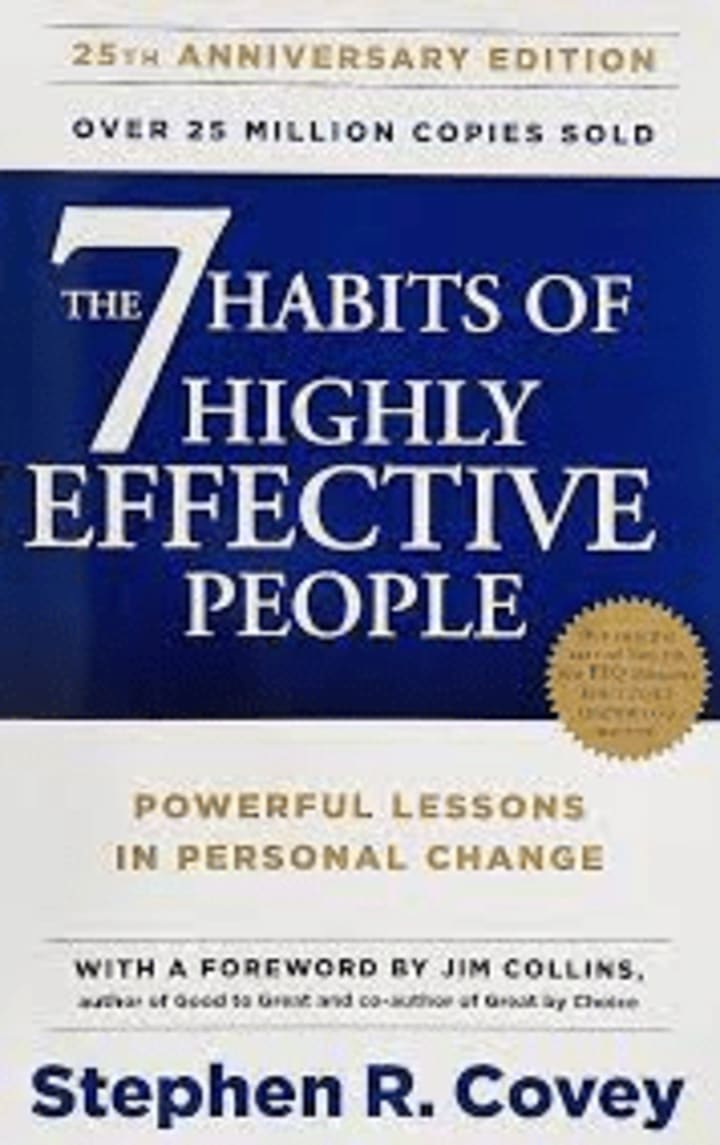
Stephen R. Covey’s The 7 Habits of Highly Effective People remains a seminal work in the self-help genre. Covey’s masterful blend of profound insights, actionable advice, and timeless principles offers a comprehensive guide to personal effectiveness, relevant both at the time of its initial publication and today.
Covey’s framework is structured around seven habits that build upon one another, starting with personal mastery (proactivity, goal-setting, prioritizing), progressing to effective interaction with others (empathy, synergy, communication), and culminating in ongoing self-improvement (continuous learning). This logical progression emphasizes the importance of a solid inner foundation before focusing on external relationships.
Rather than offering mere productivity tips, Covey encourages a transformative shift in perspective. His approach helps readers view life and relationships from a new angle, resulting in a profound and enduring impact.
The concepts of the ‘win-win’ mindset and ‘seek first to understand, then to be understood’ stand out for their potential to enhance empathy and balance in interactions, greatly improving both personal and professional relationships.
One of the book’s key strengths is its universal applicability. The principles Covey discusses resonate across cultures and situations, making this a timeless resource for those pursuing personal growth.
Despite its depth, The 7 Habits of Highly Effective People is written in an engaging and accessible style. Covey’s use of relatable examples and anecdotes makes it easier for readers to grasp and apply the habits in their lives.
More than just a book, The 7 Habits of Highly Effective People serves as a tool for profound personal transformation. It guides readers from merely chasing success to understanding and achieving true effectiveness. This classic work is essential for anyone aiming to evolve and realize their full potential.
Pages: 447
Price: $2.85
Year: 1990
________________________________________
Awaken the Giant Within
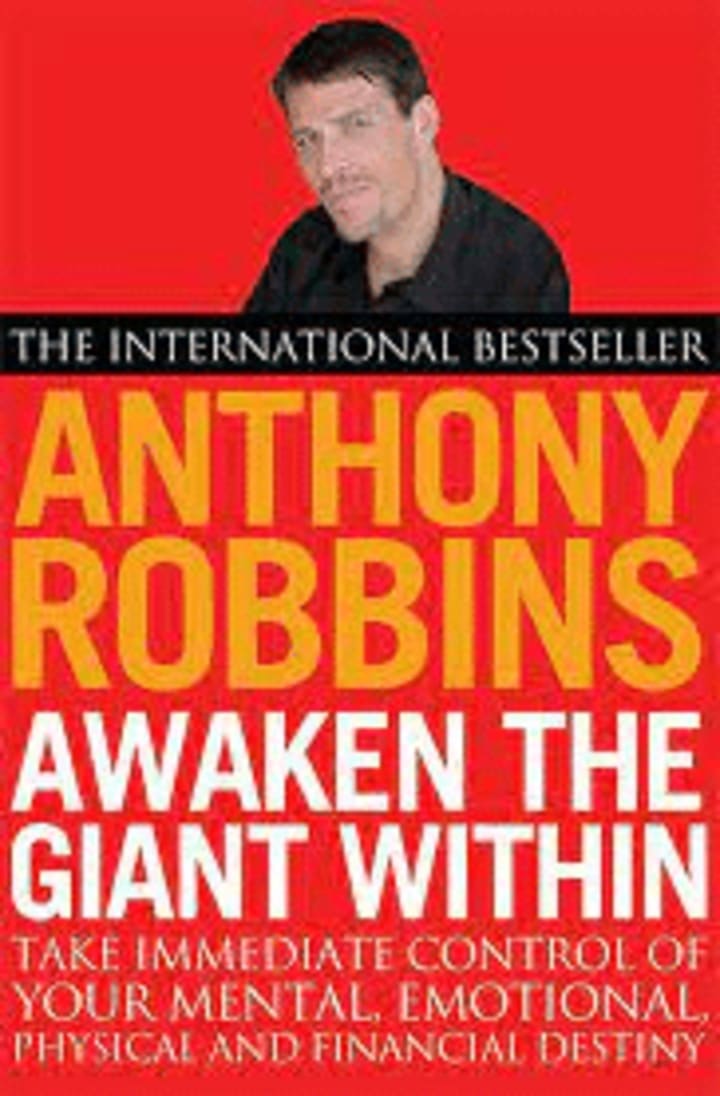
Tony Robbins’ Awaken the Giant Within is a powerful self-help book that serves as a passionate call to action, urging readers to take control of their mental, emotional, physical, and financial lives.
The book distinguishes itself with a dynamic mix of theoretical insights and practical strategies. Robbins explores how our beliefs, values, and habitual thought patterns shape our lives, and he presents compelling arguments for how mastering these elements can lead to significant transformation.
One of the book’s notable strengths is its focus on practical application. Robbins excels at demystifying complex psychological concepts, making them accessible through tools and techniques like Neuro-Linguistic Programming (NLP) and Emotional Freedom Techniques (EFT). These methods offer tangible ways for readers to effect meaningful changes in their lives.
However, the book’s broad scope might overwhelm some readers. Covering a wide range of topics, from overcoming fears to building fulfilling relationships, the narrative pace can be intense. Robbins’ enthusiasm, though motivating, can sometimes feel overly assertive.
A minor drawback is that Robbins’ examples often draw from his own experiences or seminars, which might come across as self-promotional. Nevertheless, these anecdotes effectively illustrate his points and add a personal touch.
Awaken the Giant Within is a compelling guide to personal transformation. Despite its occasional overreach, the book offers substantial motivation and practical tools for change. For those looking to dramatically improve their lives, it provides a valuable pathway to unlocking greater fulfillment and success.
Pages: 785
Price: $15.99
Year: 2007
How to Win Friends and Influence People
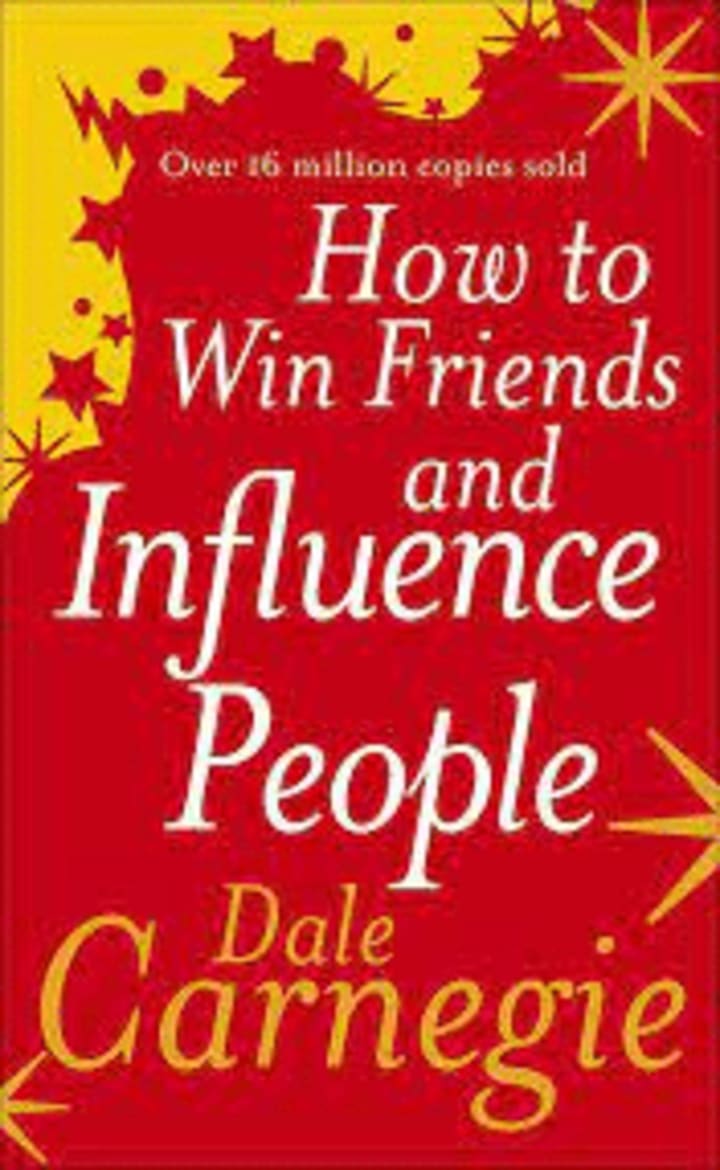
Dale Carnegie’s How to Win Friends and Influence People is a timeless classic in personal development. Written with clarity and engagement, it remains one of my favorite self-help books, offering essential insights into understanding and improving human relationships.
Carnegie lays out straightforward, practical principles for effective communication and fostering positive interactions. His focus on empathy, active listening, and genuine interest in others highlights their significant impact, often through clear, real-life examples that bring these ideas to life.
While some critics argue that the book might promote manipulation or superficial changes rather than authentic self-improvement, a nuanced interpretation reveals that Carnegie’s principles center on kindness, appreciation, and understanding—key elements for enriching interpersonal dynamics rather than deceitful tactics.
Pages: 317
Price: $14.99
Year: 2022 (updated version)
________________________________________
How to Stop Worrying and Start Living
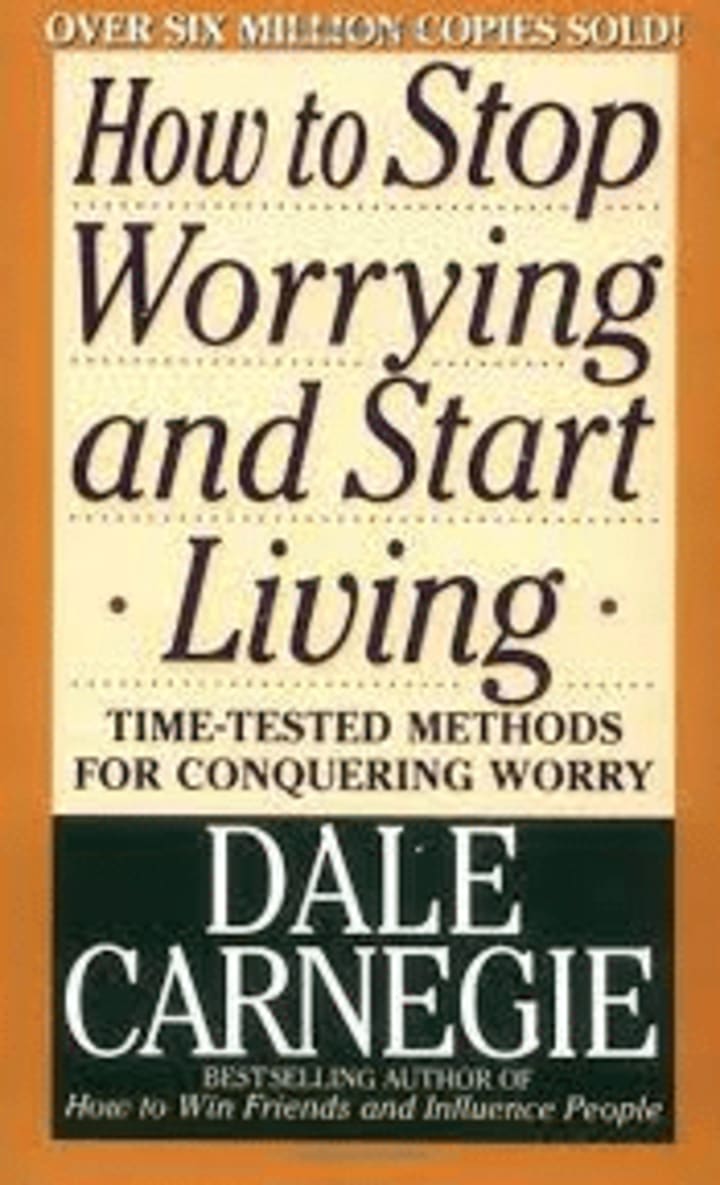
In How to Stop Worrying and Start Living, Dale Carnegie offers a practical, solution-oriented approach to overcoming worry and anxiety. He provides effective strategies such as living in “day-tight compartments,” analyzing the relevance of worries, and embracing the worst-case scenario to alleviate stress.
Carnegie supports these strategies with engaging anecdotes, making his advice both relatable and memorable. However, it's important to recognize that this book should not replace professional mental health advice, especially for those dealing with severe anxiety, who may need additional support.
One critique of the book is its tendency toward repetition, which some might find redundant. Nevertheless, this repetition can help reinforce and solidify the concepts for many readers.
Both of Carnegie’s books showcase his talent for translating complex emotional and relational challenges into actionable, practical advice. They remain invaluable resources for anyone looking to enhance their interpersonal skills and live a more worry-free life. Despite minor criticisms, the insights offered continue to be highly relevant in today’s fast-paced and social world.
Pages: 388
Price: $13.99
Year: 2010
The Four Agreements
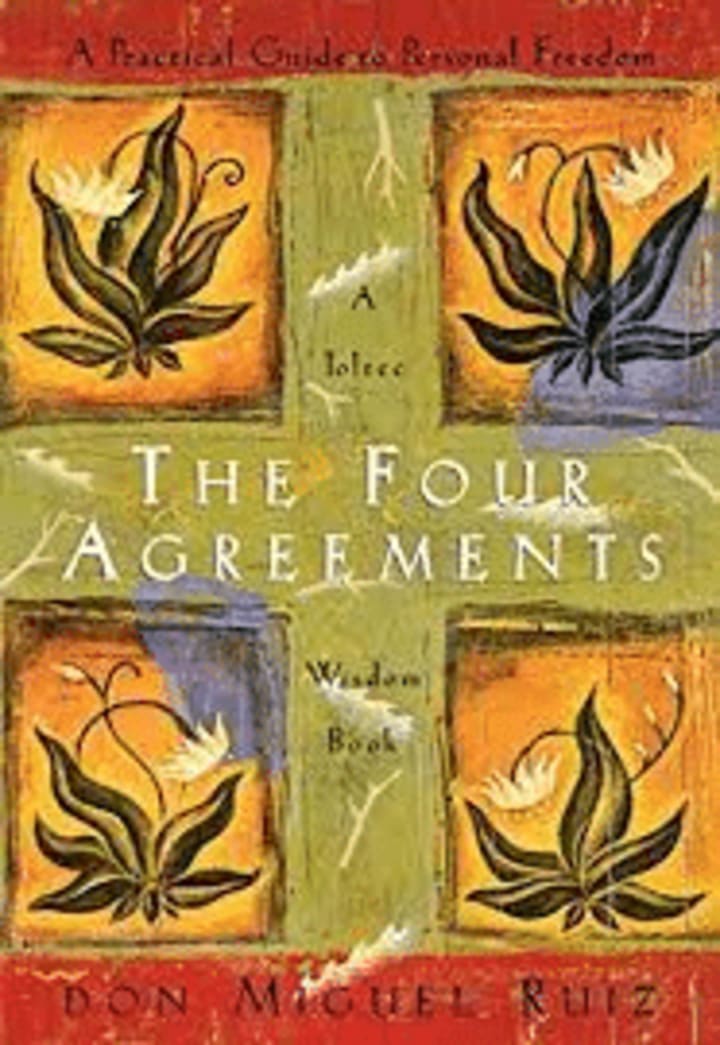
Don Miguel Ruiz’s The Four Agreements is a captivating exploration of Toltec wisdom that has earned its place as a modern spiritual classic. The book offers profound yet accessible principles that invite readers to transform their lives by shifting their mindset and perspective.
The four core agreements are: Be impeccable with your word, Don’t take anything personally, Don’t make assumptions, and Always do your best. Though these principles may seem straightforward, their consistent application has the potential to be profoundly transformative.
Ruiz encourages readers to challenge and release limiting beliefs and societal norms that often constrain our true selves. This self-examination fosters liberation from societal conditioning, opening pathways to personal freedom and genuine living.
A standout feature of the book is its blend of spirituality and practicality. Ruiz’s wisdom is grounded in everyday experiences, making it both relatable and actionable. His explanations of each agreement are clear and resonate with intuitive truth.
Particularly impactful is the principle of not taking things personally. Ruiz explains that others’ actions and words are reflections of their own realities rather than yours. This insight can profoundly shift how you relate to others and build emotional resilience.
The Four Agreements is more than a passive read; it requires active participation and introspection. However, the effort is worthwhile, as it offers a transformative journey towards a more authentic, aware, and fulfilling life. It’s a must-read for anyone on the path of self-discovery and personal growth.
Pages: 153
Price: $7.74
Year: 2011
________________________________________
You Are a Badass
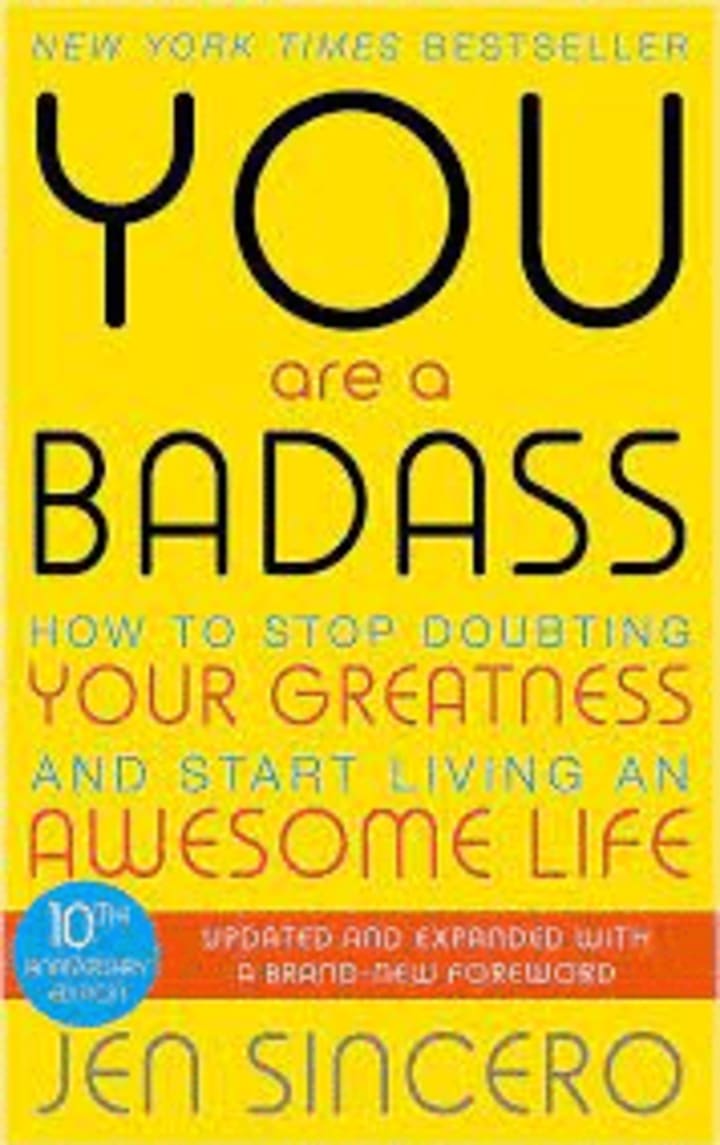
Jen Sincero’s You Are a Badass: How to Stop Doubting Your Greatness and Start Living an Awesome Life is a vibrant and empowering self-help book that has made a notable impact in the personal development genre. Sincero’s distinctive voice blends humor, honesty, and boldness to deliver practical wisdom.
You Are a Badass demystifies self-improvement with unfiltered candor and a refreshing lack of pretense, making personal growth accessible to everyone. Sincero challenges readers to shed self-doubt and embrace their inner ‘badass’ by reframing their narratives about self-worth and success.
One of the book’s strengths is Sincero’s skillful integration of personal anecdotes with actionable advice. Her relatable experiences and practical insights, infused with humor, make for a highly engaging read. You’ll find yourself both laughing out loud and deeply contemplating your life choices.
Noteworthy is Sincero’s discussion on self-love and the law of attraction. Her encouragement to recognize self-worth, tune into desires, and manifest aspirations forms the core of You Are a Badass.
However, the book may not appeal to everyone. Sincero’s direct and unapologetic style, while refreshing, might seem brash to some. Additionally, her discussions on the universe and manifestations could be seen as overly metaphysical by skeptics.
You Are a Badass offers a robust and invigorating take on self-improvement. It confronts tough truths and urges readers to take bold control of their lives. If you’re open to a blend of humor, spirituality, and self-help, and ready to challenge your self-perceptions, this book could be the catalyst you need.
Pages: 258
Price: $9.99
Year: 2013
________________________________________
The Power of Habit
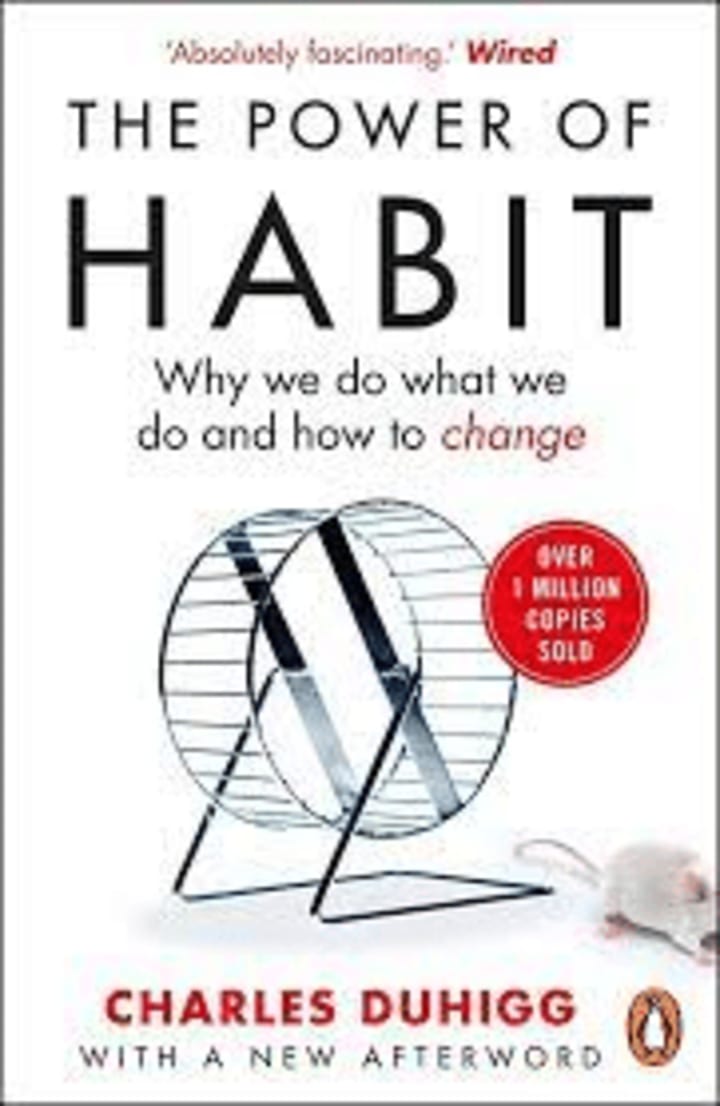
Charles Duhigg’s The Power of Habit: Why We Do What We Do in Life and Business is an engaging examination of the science behind habit formation and transformation. The book stands out as a crucial guide in the self-improvement field, combining scientific research, compelling narratives, and practical strategies.
The Power of Habit not only explores personal habits but also delves into organizational and societal habits, providing a comprehensive view of how habits function on multiple levels.
Duhigg introduces the Habit Loop—a framework consisting of cue, routine, and reward—as the foundation of all habits. This clear breakdown of habit mechanics underpins the book’s most impactful strategies.
A highlight is the concept of the ‘Keystone Habit’. Duhigg suggests that altering one key habit can trigger a cascade of changes in other areas. Supported by persuasive examples, this idea offers a powerful strategy for initiating broad transformations in one’s life.
The book is highly engaging, with Duhigg’s storytelling prowess shining through as he narrates intriguing case studies and personal stories, making complex theories accessible and interesting.
Some readers might find the book lacking in direct, actionable steps. While Duhigg provides ample scientific insights and stories, practical application might not be as explicit.
The Power of Habit is a fascinating and insightful exploration of habits. Blending psychology, neuroscience, and sociology with captivating storytelling, it offers foundational knowledge and concepts that can significantly impact personal and professional growth. While not a step-by-step manual, its insights are invaluable for understanding and reshaping habits.
Pages: 392
Price: $5.99
Year: 2012
Rich Dad, Poor Dad
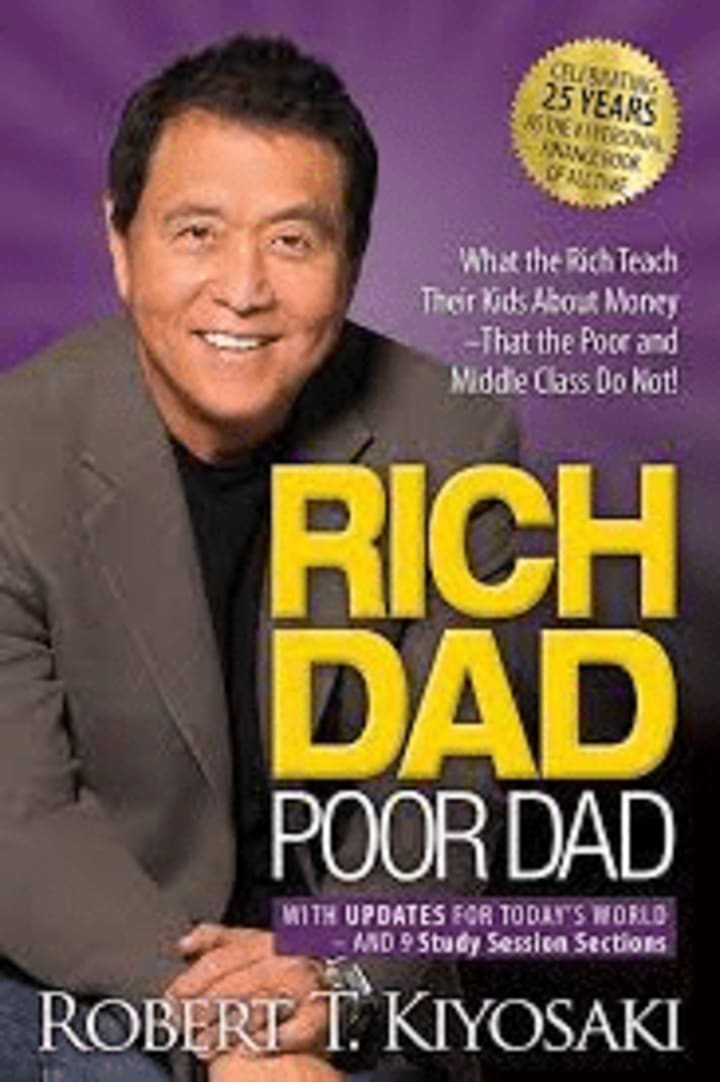
Robert T. Kiyosaki’s Rich Dad Poor Dad has been a guiding light for those seeking to understand wealth-building principles since its release. The book contrasts the financial philosophies of two pivotal figures in Kiyosaki’s life: his biological father (Poor Dad) and his best friend’s father (Rich Dad). Through their differing approaches to money, career, and life, Kiyosaki highlights the mindset and habits essential for achieving financial independence.
A key theme in the book is the distinction between assets and liabilities. Kiyosaki argues that building wealth involves acquiring assets—things that generate income—while liabilities deplete one’s resources. This insight challenges traditional views that often consider a primary residence as an asset, encouraging readers to reassess their financial habits.
Kiyosaki’s approachable style, enriched with personal anecdotes, makes complex financial concepts accessible. However, this anecdotal approach has also attracted criticism. Some critics argue that the book lacks concrete steps, oversimplifies its lessons, or questions the authenticity of Kiyosaki’s personal stories.
Despite these criticisms, the book’s core message remains influential. Rich Dad Poor Dad promotes financial literacy, entrepreneurial thinking, and investment over conventional employment. For many readers, it provides a wake-up call to the potential for financial freedom and challenges ingrained societal beliefs about money.
While Rich Dad Poor Dad does not offer a step-by-step guide, it provides a valuable foundation in wealth creation by emphasizing the importance of mindset. It has introduced numerous individuals to the principles of financial literacy and entrepreneurship, making it an essential read for anyone starting their journey towards financial independence.
Pages: 336
Price: $6.07
Year: 2017
Who moved my cheese?
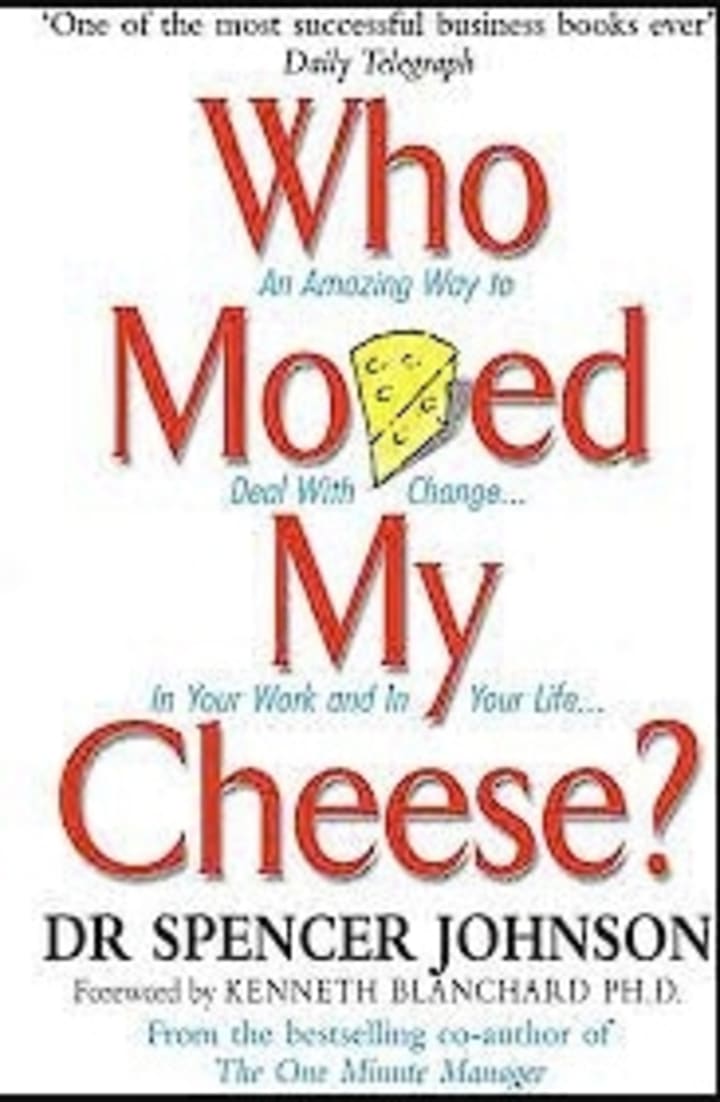
Dr. Spencer Johnson’s Who Moved My Cheese? is a motivational fable that explores how we cope with change in our lives. Through its allegorical tale of mice and "little people" navigating a maze in search of cheese (a metaphor for our desires and goals), the book offers a concise and impactful narrative about adaptability, courage, and the inevitability of change.
The story features four characters: Sniff, who senses change early; Scurry, who adapts quickly; Hem, who resists change; and Haw, who eventually learns to embrace it. As they face the challenge of their diminishing cheese supply, readers gain insights into handling the twists and turns of life.
Dr. Johnson excels in his straightforward storytelling. The book’s simplicity ensures that its core messages remain clear and accessible, avoiding complex jargon and unnecessary details. The allegory encourages readers to reflect on their own responses to change in both personal and professional contexts.
However, Who Moved My Cheese? has its critics. Some argue that the book’s narrative is overly simplistic, suggesting that real-world changes are more complex than can be addressed with just a positive attitude. Others feel that the book may oversimplify the emotional and psychological aspects of resistance to change.
Despite these critiques, the book’s lasting popularity attests to its effectiveness. Its lessons on anticipating change, adapting quickly, and enjoying the journey resonate with many. For those feeling stuck—whether in a job, relationship, or other life situation—Who Moved My Cheese? can act as a powerful prompt for introspection and action.
Who Moved My Cheese? serves as a timeless reminder of life’s ever-changing nature. While it may not offer detailed strategies for managing change, its strength lies in inspiring readers to reflect on and navigate their own paths through life’s maze.
Pages: 109
Price: $13.99
Year: 1998
The subtle art of not giving a f*ck
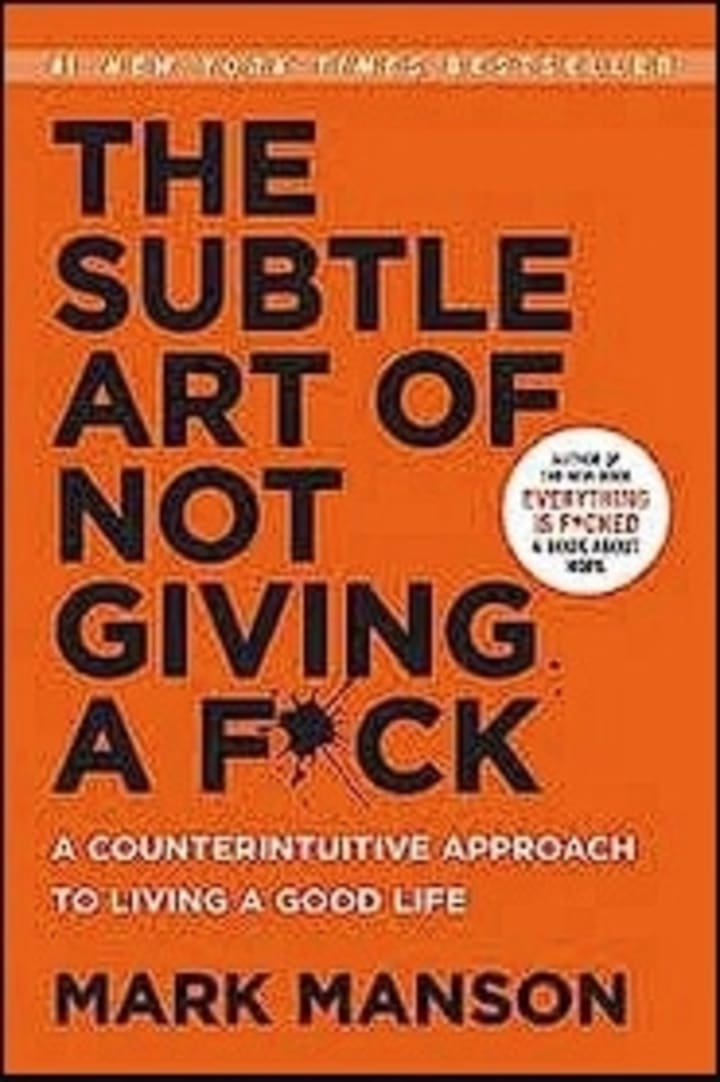
Mark Manson’s The Subtle Art of Not Giving a Fck* delivers a refreshing jolt to the self-help world with its unflinching, irreverent approach. Manson takes aim at the unrelenting optimism that often pervades personal development literature, arguing that the pursuit of constant positivity can sometimes do more harm than good.
The central idea of the book is that we have a limited number of "f*cks" to give, so it's crucial to allocate our energy and concern wisely. Manson suggests that life is inherently full of struggles, setbacks, and disappointments, and accepting this reality helps us better manage its challenges.
The book challenges common myths about happiness being a default state and the notion that everyone is inherently special. Manson advocates for recognizing our limitations, facing uncomfortable truths, and valuing the role of suffering as essential to living a grounded and authentic life.
Manson’s writing is raw and unapologetic, enriched with anecdotes and sharp humor. While many readers appreciate this candid style, especially those frustrated with traditional self-help's glossy promises, some might find his approach abrasive or misinterpret his message as indifference. In reality, Manson promotes a more intentional and discerning approach to what we choose to care about.
A potential critique of the book is its repetitiveness. Some may feel that its core message could be condensed into fewer pages. However, Manson’s diverse examples and in-depth explorations of philosophy and personal experiences add depth to the narrative.
The Subtle Art of Not Giving a Fck* offers a contrarian perspective on personal growth, focusing on the significance of limitations, acceptance of pain, and selective caring. It’s a must-read for those looking for a grounded, no-nonsense approach to leading a meaningful life.
Pages: 212
Price: $12.99
Year: 2016
Daring Greatly: How the Courage to Be Vulnerable Transforms the Way We Live, Love, Parent, and Lead
Dr. Brené Brown’s Daring Greatly stands out as a profound examination of vulnerability and its essential role in fostering meaningful connections, self-awareness, and personal growth. With her extensive background in social work and research, Brown challenges the common misconception that vulnerability equates to weakness.
At the heart of Brown’s thesis is a revolutionary yet straightforward idea: to fully engage with life, love deeply, and lead effectively, one must embrace vulnerability. True transformation happens in the face of fear, uncertainty, and risk. By daring to step into the arena, even when failure is a possibility, we not only enrich our own lives but also inspire those around us.
The book combines thorough research with engaging anecdotes, creating a narrative that is both scholarly and personal. Brown’s honest sharing of her own experiences provides valuable insights into how we use protective shields like perfectionism and emotional numbness to guard against the perceived risks of vulnerability.
What makes Daring Greatly exceptional is not just its insightful analysis but also its practical solutions. Brown offers actionable advice on developing shame resilience, forging deeper connections, and leading with authenticity.
While the concept of vulnerability itself might not be entirely new, Brown’s nuanced exploration and her compelling articulation of complex emotions make this book unique.
Daring Greatly is a transformative read that encourages introspection, challenges long-held beliefs, and urges readers towards a life marked by courage, connection, and authenticity. In an era characterized by superficial interactions and emotional walls, Brown’s message is both timely and essential.
Pages: 290
Price: $13.99
Year: 2012
The Gifts of Imperfection
In The Gifts of Imperfection, Brené Brown offers a compassionate guide to embracing and celebrating our authentic selves. Drawing on a decade of research into shame, worthiness, and authenticity, Brown invites readers to recognize and embrace their vulnerabilities and imperfections as sources of strength.
Brown’s approach is both holistic and heartfelt, introducing “10 Guideposts” for wholehearted living. These guideposts—ranging from nurturing intuition and trusting faith to letting go of exhaustion as a status symbol—are not just self-help tips but are grounded in extensive research on human behavior and societal expectations.
A notable strength of the book is Brown’s own vulnerability. Her personal anecdotes enrich the scientific content, making it more relatable and accessible. By openly sharing her own struggles, Brown provides comfort and solidarity, embodying the very principles she advocates.
The book also tackles societal pressures and the quest for perfection in a world of curated social media and constant comparisons. Brown’s call for self-acceptance and celebrating individuality stands out as both refreshing and crucial.
While some readers might find similarities with themes from Brown’s previous works, such as Daring Greatly, The Gifts of Imperfection distinguishes itself with its focus on daily practices and mindset shifts that promote authentic living.
The Gifts of Imperfection is a heartfelt exploration of self-discovery and acceptance. With its blend of rigorous research, personal insight, and practical advice, it serves as a valuable resource for those looking to overcome societal pressures and live with greater authenticity and purpose. It celebrates the beauty in our flaws and the power of owning our personal stories.
Pages: 245
Price: $12.99
Year: 2022
Thinking Fast and Slow
Thinking, Fast and Slow by Nobel laureate Daniel Kahneman is a landmark exploration in behavioral psychology and economics. The book meticulously dissects the complexities of human thought, offering a comprehensive look at the two systems that govern our judgments and decisions.
Kahneman introduces two modes of thinking: System 1 and System 2. System 1 operates quickly, automatically, and intuitively, often requiring little conscious effort. In contrast, System 2 is more deliberate, logical, and effortful. While both systems are valuable, Kahneman highlights how our reliance on the rapid, instinctive System 1 can lead to consistent errors in judgment.
The book’s brilliance lies in its seamless blend of empirical research with engaging stories and thought experiments. Kahneman explains concepts like the anchoring effect, prospect theory, and loss aversion through real-world examples, making these ideas both accessible and enlightening.
Kahneman also explores various cognitive biases and heuristics that subtly influence our decisions, such as overconfidence and the availability heuristic. By revealing these mental shortcuts, he helps readers become more aware of their own cognitive pitfalls and improve their decision-making.
However, Thinking, Fast and Slow is a dense read. Its thorough exploration of the subject matter requires focused attention, which may be challenging for those seeking a more casual introduction to behavioral economics.
Despite its complexity, Thinking, Fast and Slow is an essential read for anyone interested in understanding the intricacies of human cognition and decision-making. Kahneman’s insightful analysis provides profound revelations about how we think, making it a transformative resource for both personal and professional growth.
Pages: 514
Price: $12.99
Year: 2011
Mindset: The New Psychology of Success
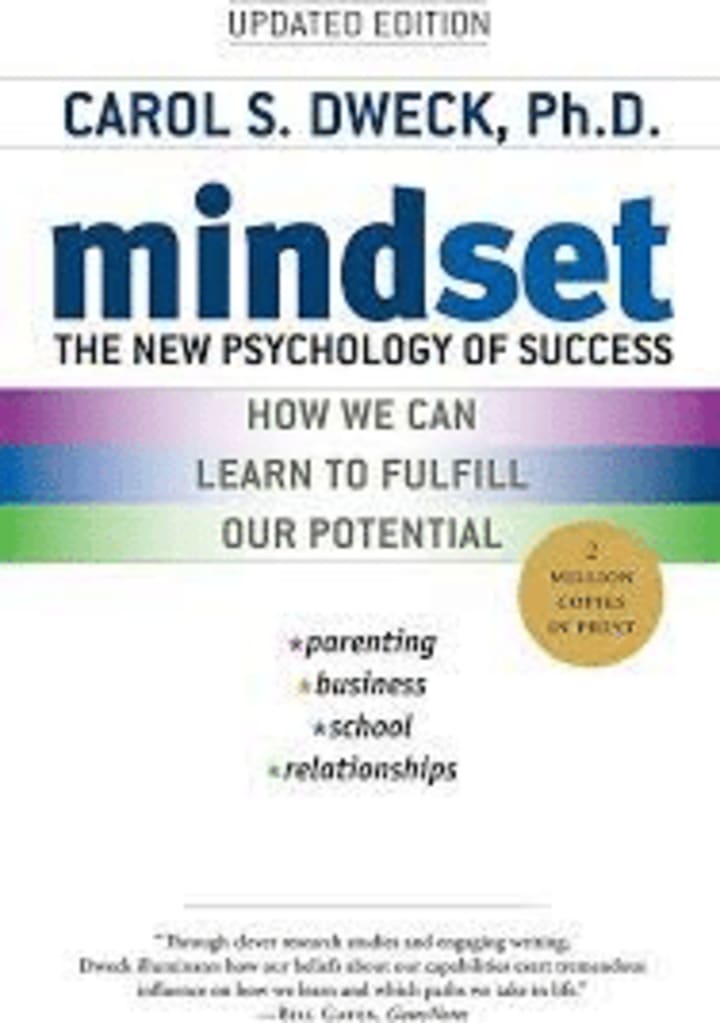
Mindset: The New Psychology of Success by Dr. Carol S. Dweck offers a groundbreaking examination of how our beliefs shape our achievements and overall life outcomes. Drawing on extensive research in developmental psychology, Dweck introduces the concepts of the fixed mindset and the growth mindset.
A fixed mindset holds that our abilities and traits are set in stone and unchangeable. People with this mindset often view challenges as threats, avoid difficult tasks, and may feel threatened by others' successes. In contrast, a growth mindset is based on the belief that abilities can be developed through effort, persistence, and resilience. Those with a growth mindset embrace challenges as opportunities and are more likely to persevere through setbacks.
Dweck’s analysis is both comprehensive and engaging. She uses a wealth of studies and real-life examples to illustrate how these mindsets influence various aspects of life, including education, sports, business, and personal relationships. Notable insights include how certain types of praise can unintentionally reinforce a fixed mindset in children and how organizational culture can impact innovation.
The book’s value lies not just in diagnosing these mindsets but also in offering practical guidance. Dweck provides actionable strategies for cultivating a growth mindset, making the book a valuable resource for both personal and professional development.
However, some critics argue that Dweck’s binary classification might oversimplify the complexity of human psychology. While the fixed vs. growth framework is insightful, it may not capture the full spectrum of individual belief systems.
Mindset: The New Psychology of Success is a transformative read that challenges conventional views on talent and potential. Though it may not encompass all the nuances of psychological theory, Dweck’s core message—that our beliefs significantly influence our success—is both empowering and inspiring. This book is essential reading for educators, parents, leaders, and anyone committed to personal growth.
Pages: 288
Price: $13.99
Year: 2006
Final Thoughts
As we conclude our review of the top personal development books, it's clear that personal growth is a rich and complex journey, filled with diverse perspectives and insights.
Interestingly, the field of personal development tends to evolve slowly. Despite the rapid pace of change in other areas, many of the most influential books in this genre were published decades ago, with some dating back to 1937. This list, reflecting titles from as far back as 20 years, underscores the timeless nature of these ideas. Rest assured, I’ll keep this list updated with new, noteworthy releases, with the most recent update being from February 2024.
Each of these books brings a unique perspective and message, collectively highlighting the remarkable potential for transformation within us all. Whether it’s delving into the complexities of the human mind, embracing vulnerability, building resilience, or questioning deep-seated beliefs, these works act as both mirrors and guides, encouraging self-reflection and steering meaningful action.
No matter where you are on your personal growth journey—whether just starting out or already deep into self-discovery—these self-help books offer a wealth of wisdom to support and inspire your path.
About the Creator
Keep reading
More stories from Mohammedseid Ahmedin and writers in BookClub and other communities.
Sharing Your Creativity: 10 Ways to Connect, Collaborate, and Flourish
In a world that increasingly values creativity and innovation, sharing your creative work has become more important than ever. Whether you're an artist, writer, designer, or any other kind of creative individual, connecting with others and collaborating with like-minded individuals can help you flourish in your craft. This blog post will explore ten ways you can share your creativity, build a supportive network, and embrace the feedback and criticism that comes with putting yourself out there.
By Mohammedseid Ahmedin2 years ago in BookClub
Rachel Reviews: Lakefront Wolves by Joseph Deegan
Meet Finn. He's an 18 year old kid who has potential. He's bright with great school scores and he's also an athlete, a footballer of some prowess. He has it all going for him, it would seem, and yet, he's determined to send what could be a well-planned, stable existence firmly off the rails. He drinks, he smokes, he takes drugs, he has violent tendencies and he's in danger of losing not only his mind but all that he holds dear.
By Rachel Deeming14 days ago in BookClub



Comments
There are no comments for this story
Be the first to respond and start the conversation.