
10 Best Lessons from How to Win Friends and Influence People by Dale Carnegie
Life-Changing Lessons That Still Work Today

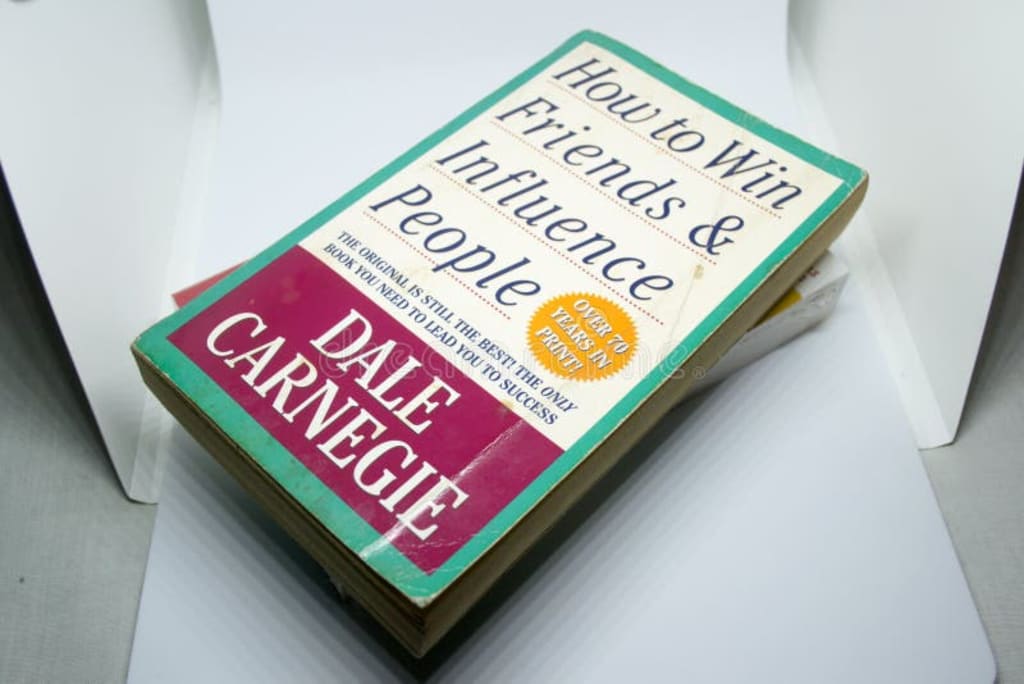
How to Win Friends and Influence People by Dale Carnegie is more than just a self-help book — it's a timeless guide to human connection. Since its publication in 1936, it has helped millions of readers master the art of effective communication, persuasion, and relationship-building. In this article, we’ll explore the best lessons from Carnegie’s masterpiece and how you can apply them to both personal and professional life.
1. Show Genuine Interest in Other People
One of Carnegie’s core messages is the importance of taking sincere interest in others. People love to talk about themselves, and showing genuine curiosity about someone’s life, hobbies, or opinions instantly makes you more likable.
Instead of trying to impress others with your achievements, shift your focus to them. Ask questions, listen actively, and respond with enthusiasm. This simple habit builds trust and makes people feel valued.
Practical tip: Begin conversations with a question about the other person — their job, weekend plans, or recent experiences — and listen more than you talk.
2. Remember and Use People’s Names
According to Carnegie, “A person’s name is to that person the sweetest sound in any language.” Using someone’s name in conversation shows respect and personal recognition.
It might seem like a small detail, but it has a big impact. It tells others that they matter to you and that you value their presence.
Practical tip: Make an effort to remember names when meeting new people. Repeat their name aloud and associate it with something memorable.
3. Be a Good Listener

Listening is one of the most powerful tools for building strong relationships. Carnegie emphasizes that being a good listener — and encouraging others to talk about themselves — is more important than giving advice or sharing your own stories.
Listening creates connection, while interrupting or dominating a conversation can alienate people.
Practical tip: Use active listening skills — maintain eye contact, nod, and occasionally summarize what the other person says to show you’re engaged.
4. Give Honest and Sincere Appreciation
Everyone craves appreciation. Carnegie teaches that genuine praise can inspire people to do their best and feel valued. However, flattery and insincere compliments can have the opposite effect.
The key is to find specific, truthful things to appreciate in others — whether it’s their effort, attitude, or achievements.
Practical tip: Start each day by finding at least one person to sincerely appreciate, whether it’s a coworker, friend, or family member.
5. Avoid Criticizing, Condemning, or Complaining
One of the hardest yet most valuable lessons in the book is to resist the urge to criticize others. Criticism often triggers defensiveness and resentment rather than change.
Instead of pointing out faults, focus on understanding the other person’s perspective and guiding them with kindness.
Practical tip: When facing conflict, begin with empathy. Ask yourself: “Why might this person be acting this way?” before responding.
6. Talk in Terms of Other People’s Interests
Carnegie stresses the importance of framing your message in a way that matters to the other person. When you speak in terms of what they want, you become more persuasive and influential.
Whether you’re trying to make a sale, lead a team, or win someone’s trust, put yourself in their shoes first.
Practical tip: Before presenting an idea, ask yourself, “What’s in it for them?” and tailor your message accordingly.
7. Smile — It’s a Simple Yet Powerful Gesture

A smile can break the ice, soften resistance, and make you more approachable. Carnegie reminds us that our facial expressions influence how others perceive and respond to us.
Smiling conveys warmth, confidence, and openness — qualities that draw people in.
Practical tip: Make a habit of smiling when greeting others, whether in person or on video calls.
8. Let Others Feel That the Idea Is Theirs
People are more committed to ideas they feel they’ve helped create. Instead of pushing your own ideas, guide others to discover solutions themselves.
This technique encourages collaboration, boosts morale, and often leads to better results.
Practical tip: Ask leading questions that help others reach the conclusion you have in mind, making them feel ownership of the idea.
9. Admit When You’re Wrong
Nothing disarms conflict like humility. Carnegie emphasizes the strength of admitting your mistakes quickly and sincerely. It earns respect and prevents arguments from escalating.
Admitting fault is not a weakness — it’s a powerful way to build credibility and strengthen relationships.
Practical tip: If you make a mistake, say something like, “You’re right. I shouldn’t have done that — I’ll do better next time.”
10. Appeal to Nobler Motives
When persuading someone, don’t just focus on logic or self-interest. Instead, appeal to their sense of honor, responsibility, or generosity. People want to be seen as good and ethical, and appealing to those values can inspire action.
Practical tip: When requesting help or cooperation, frame it in a way that aligns with the person’s values or sense of purpose.
Why These Lessons Still Matter Today
In a world dominated by digital communication, Carnegie’s principles are more relevant than ever. Authentic connection is becoming rare — and that’s why it stands out.
Whether you’re a business leader, student, entrepreneur, or parent, applying these lessons will improve how others perceive you, how you influence them, and how fulfilling your relationships become.
Final Thoughts
How to Win Friends and Influence People is not just about making people like you — it’s about becoming a better, kinder, more empathetic human being. By applying Carnegie’s timeless wisdom, you can unlock deeper relationships, earn trust, and develop the kind of influence that lasts.
Success in life is often determined not just by what you know, but how well you connect with others. Mastering the art of human interaction is one of the most valuable skills you can ever learn — and Carnegie’s classic book remains the ultimate guide.
About the Creator
pestosol
Hi.
I am Hmimda 30 years old From Algeria. I am a blogger. I like to share articles about decoration and designs
My New Book is Finally Here
My poetry collection Beautiful and Brutal Things is done. It's actually done and finally published over 270 pages. Over a year of my life went into this book. More than a year, really. Long days at my computer, sometimes seven days a week because I couldn't stop even when I probably should have. Then two months of editing that felt harder than the writing itself. But it's finished, and I'm still standing, and the book is real.
By Tim Carmichael2 days ago in BookClub
7 Cozy Books You Need To Read In 2026
In a world that often feels loud, rushed, and overwhelming, cozy books offer us something profoundly healing: a safe place to land. These are the stories we reach for when we want to slow down, breathe deeply, and remember that gentleness still exists. Cozy books don’t rely on high-stakes drama or relentless tension. Instead, they wrap us in warm characters, comforting settings, and quietly meaningful moments that linger long after the final page.
By Diana Meresc4 days ago in BookClub




Comments
There are no comments for this story
Be the first to respond and start the conversation.