
Why Your ‘Natural’ Skincare Routine Might Be Damaging Your Skin
The Hidden Dangers of Lemon, Toothpaste, and DIY Beauty Hacks You Need to Know
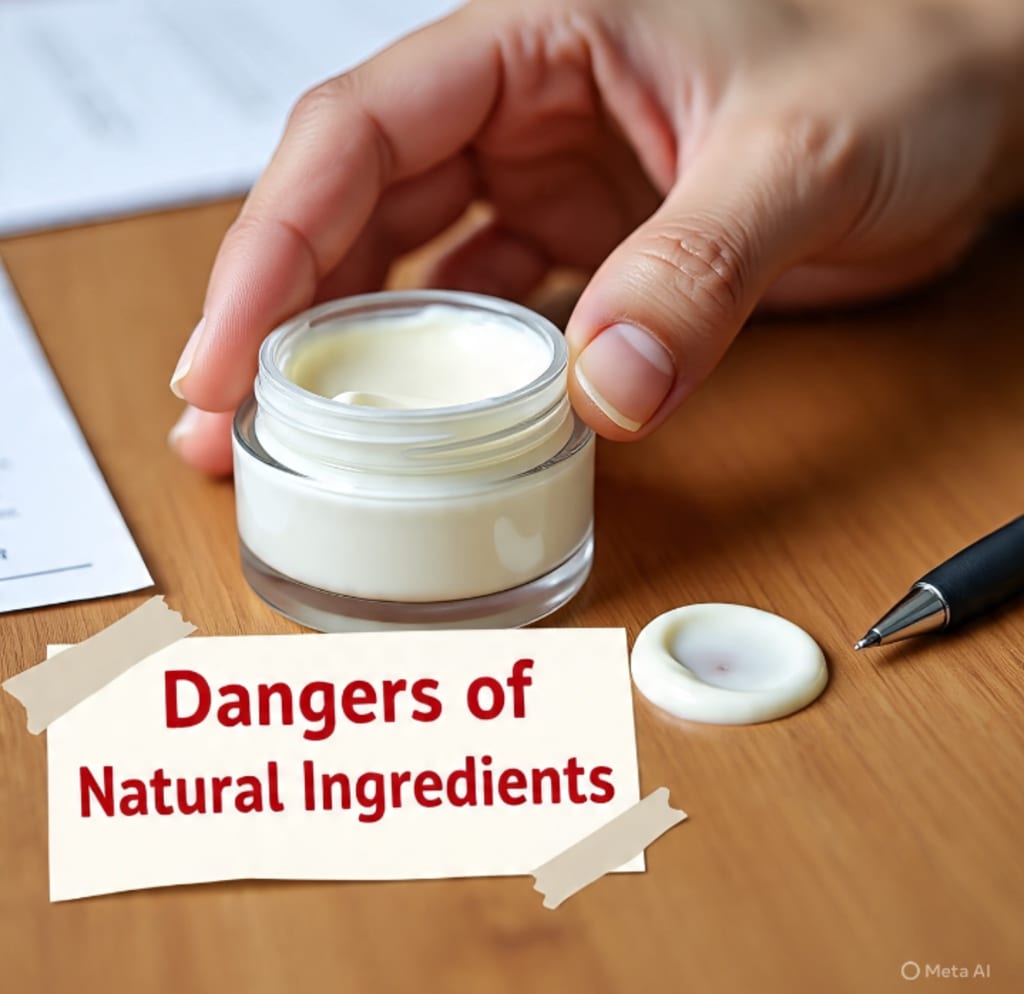
In the world of skincare, “natural” is often treated like a golden ticket — a sign of purity, health, and safety. From DIY face masks made of kitchen ingredients to using lemon or toothpaste for acne, people are quick to turn to home remedies believing they are harmless. But just because something is natural doesn’t mean it’s good for your skin.
Let’s explore how some of the most popular DIY beauty hacks can actually harm your skin more than help — and what science says about it.
🍋 Lemon on the Face: A Citric Mistake
Claim: Lemon juice can brighten the skin, reduce dark spots, and treat acne.
Reality: Lemon is one of the most harsh and irritating ingredients you can apply to your face.
Here’s why:
pH Imbalance: Lemon has a pH of 2, which is very acidic. Your skin’s natural pH is around 4.5–5.5. Applying lemon juice disrupts your skin barrier, causing dryness, sensitivity, and inflammation.
Phototoxicity: Lemon contains psoralen, a compound that makes your skin more sensitive to sunlight. This can cause severe sunburns, dark pigmentation, and even blistering after sun exposure.
Irritation & Allergic Reaction: Lemon juice can lead to itching, burning, and peeling, especially in people with sensitive or acne-prone skin.
🛑 Verdict: Avoid lemon juice on your face. Use clinically tested vitamin C serums instead — they are stabilized, safer, and proven to brighten skin.
🪥 Toothpaste on Pimples: Not a Quick Fix
Claim: Toothpaste can dry out pimples and reduce inflammation overnight.
Reality: While toothpaste may shrink a pimple temporarily, it comes at a high cost to your skin’s health.
Here’s why:
Harsh Chemicals: Toothpaste contains fluoride, baking soda, menthol, alcohol, and hydrogen peroxide — none of which are designed for your face. These ingredients can cause redness, burning, and chemical burns.
Stripping the Skin: It dries out the skin too aggressively, leading to flaking, irritation, and even more acne due to overproduction of oil as your skin tries to compensate.
Long-Term Damage: Repeated use can weaken the skin’s protective barrier and worsen skin conditions like eczema or dermatitis.
🛑 Verdict: Don’t use toothpaste as a skincare product. Instead, apply an over-the-counter spot treatment with benzoyl peroxide or salicylic acid, which are both effective and skin-safe.
🥒 DIY Hacks with Kitchen Ingredients: Not Always Skin-Friendly
While some ingredients like oatmeal or honey can be beneficial in skincare (especially when used in dermatologically formulated products), many common kitchen items can irritate or damage your skin.
Here are some common risky DIY skincare trends:
1. Baking Soda Scrub
Too alkaline (pH ~9)
Disrupts skin’s natural barrier
Can cause microtears and chronic dryness
2. Sugar & Salt Scrubs
Sharp crystals damage sensitive facial skin
Cause microabrasions and long-term inflammation
3. Cinnamon or Nutmeg Masks
Highly irritating and allergy-prone
Can cause burning, rashes, and even chemical burns
4. Apple Cider Vinegar
Acidic enough to cause burns or peeling
Highly irritating when not diluted
🛑 Verdict: Kitchen ingredients are not formulated for skincare. Just because something is edible doesn’t mean it’s suitable for topical application.
🧬 The Science Behind Skin Irritation
The outermost layer of your skin, the stratum corneum, acts like a protective barrier. When you apply acidic, alkaline, or abrasive substances (like lemon or baking soda), you compromise this layer, leading to:
Dehydration
Redness and inflammation
Increased sensitivity
Premature aging
Higher risk of infections
This is why dermatologists warn against DIY routines that are not pH-balanced or tested for skin safety.
✅ What You Should Do Instead
If you're interested in safe and effective skincare, here’s what you can do:
Follow the basics:
Gentle cleanser
Moisturizer suitable for your skin type
Broad-spectrum sunscreen (SPF 30+)
Spot treatments for acne (salicylic acid, niacinamide)
Look for proven ingredients:
Vitamin C (stabilized, not lemon!)
Hyaluronic acid for hydration
Retinoids for anti-aging and acne
Ceramides to repair the skin barrier
Consult a dermatologist before using anything new, especially if you have sensitive skin or a medical condition like eczema or rosacea.
Patch test everything, even natural products, to check for reactions.
💡 Final Thoughts
The idea of “natural = safe” is a myth when it comes to skincare. Many natural or DIY products are unregulated, unstable, or too harsh for your delicate facial skin. What works on the body or in your kitchen doesn’t belong on your face.
So, before you reach for lemon slices, baking soda, or toothpaste, think again. Your skin deserves science-backed, skin-safe care — not kitchen experiments.
About the Creator
Keep reading
More stories from Muhib Ullah and writers in Blush and other communities.
Syphilis — A Deadly Disease Spread Through Adultery That Destroys Mind, Body, and Future Generations
Sexual immorality such as adultery is not just a moral issue—it brings with it serious medical consequences. One of the most dangerous diseases that spreads through unlawful sexual relationships is Syphilis, also known in Urdu as Aatishak, which literally means "fire." And true to its name, this disease silently burns away a person’s health, appearance, and even their lineage.
By Muhib Ullah 8 months ago in Chapters
The ultimate Ramadaan skincare guide for hydrated and radiant skin throughout the fast
The biggest skin concern during fasting periods is dehydration. There’s something quietly beautiful about the rhythm of Ramadaan. The stillness before dawn, the communal joy of breaking fast, the soft recalibration of body and spirit.
By Good health to everyoneabout 16 hours ago in Blush


Comments
There are no comments for this story
Be the first to respond and start the conversation.