
What is better for health, yoga or morning walk?
Yoga vs. Morning Walk: Which Should You Choose?

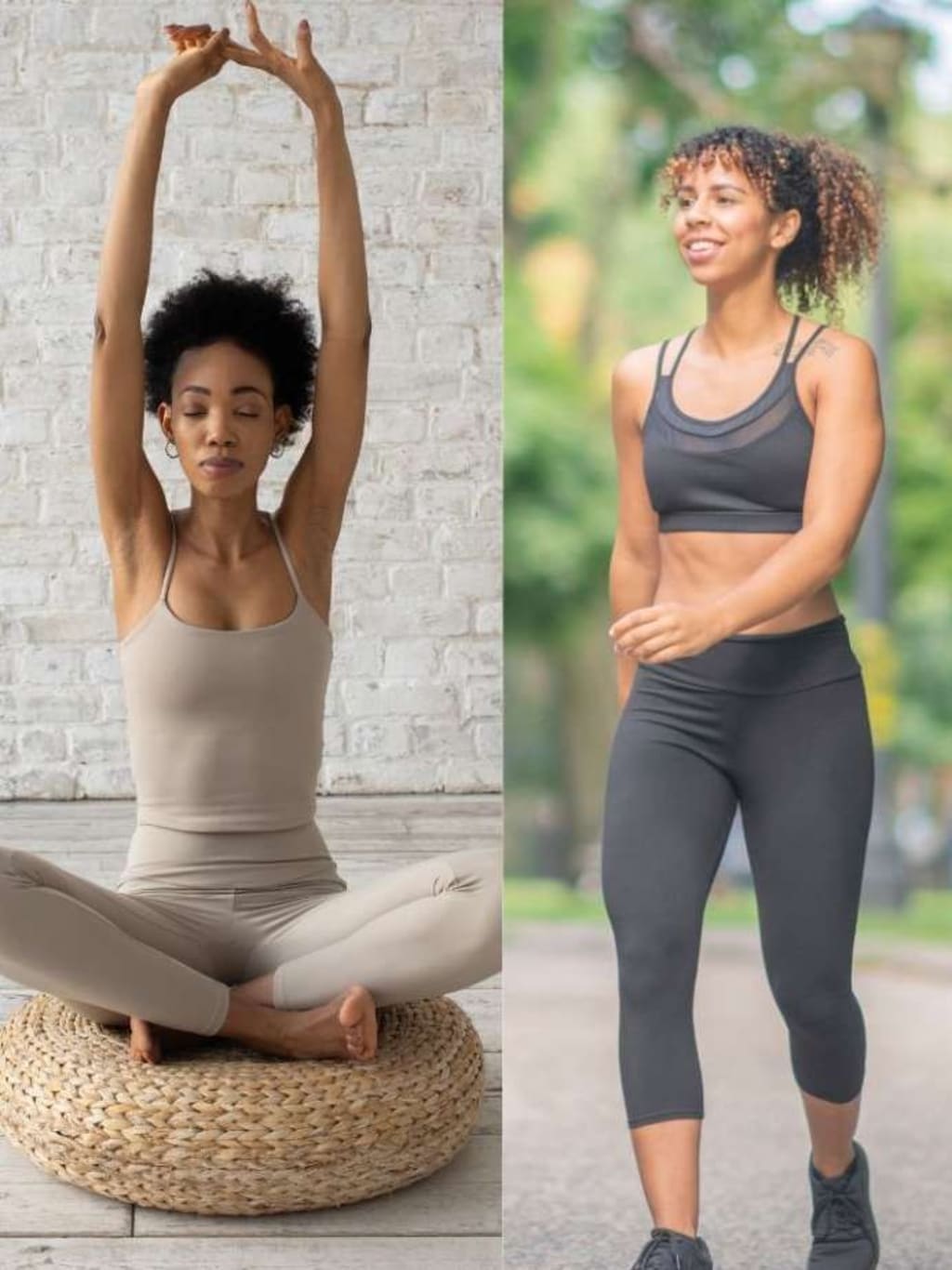
When it comes to choosing between yoga and a morning walk, the best option really depends on your fitness goals, personal preferences, and lifestyle. Both activities offer fantastic health benefits, and each has unique aspects that make it better suited for different people. This article will compare the benefits of yoga and morning walks across various dimensions—physical health, mental well-being, convenience, and overall effectiveness—helping you decide which might be the right choice for you.
The Benefits of Yoga
Yoga is a holistic practice that combines physical postures, breathing exercises, and meditation. It has been practiced for thousands of years and offers many benefits for both the body and mind. Here’s how yoga can positively impact your health:
1. Flexibility and Muscle Tone
Yoga poses, or asanas, are designed to stretch and strengthen muscles, helping to increase flexibility. Regular yoga practice can improve your range of motion, reduce stiffness, and build core strength. Poses like Downward Dog, Warrior, and Triangle engage multiple muscle groups and improve muscle tone.
2. Stress Relief and Mental Clarity
Yoga includes a meditative component, which is incredibly beneficial for mental health. Breathing exercises, known as pranayama, and mindfulness techniques can lower cortisol levels, the hormone responsible for stress. A morning yoga session helps you start your day with a clear, calm mind and a more positive outlook.
3. Better Posture and Spinal Health
Many yoga poses target the spine and help improve posture, which is especially beneficial if you spend a lot of time sitting. Yoga aligns and strengthens the back, which can reduce back pain and the risk of spinal issues over time. Poses such as Cat-Cow and Cobra stretch the spine and promote spinal health.
4. Cardiovascular Benefits
While yoga is generally not as intense as cardio exercises, certain styles—like Vinyasa or Power Yoga—can get your heart rate up. These yoga styles improve cardiovascular health, boost circulation, and help regulate blood pressure.
5. Holistic Health and Wellness
Yoga is a full mind-body practice that also promotes inner well-being. By focusing on breath control, you can improve lung function, enhance relaxation, and balance the body’s energy. Practicing yoga regularly has been linked to lower levels of anxiety, depression, and insomnia, as well as a better sense of overall wellness.
6. Adaptable and Versatile
Yoga is suitable for all fitness levels and can be adapted to suit your individual needs. Whether you’re looking for a gentle stretch, a challenging workout, or a mindful meditation session, yoga has a variety of styles and poses to choose from.
The Benefits of a Morning Walk
A morning walk is a low-impact exercise that doesn’t require any special equipment or training. It’s an activity that almost anyone can engage in and is especially beneficial for those who prefer being outdoors. Let’s look at some of the primary benefits of incorporating a morning walk into your routine:
1. Cardiovascular Health
Walking is an excellent way to improve heart health. It gets your heart pumping, increases circulation, and helps regulate blood pressure. Regular walks have been shown to reduce the risk of cardiovascular disease, stroke, and heart attack. Walking at a brisk pace is particularly effective for cardiovascular conditioning.
2. Weight Management and Calorie Burn
If weight loss or weight management is a goal, walking can be an effective part of your fitness routine. A brisk 30-minute walk can burn around 150 calories, and when combined with a balanced diet, walking can contribute to a caloric deficit, leading to weight loss.
3. Bone and Joint Health
Walking is a weight-bearing exercise, meaning it helps maintain bone density and reduces the risk of osteoporosis. It also keeps joints flexible, especially in the knees and hips, which can help prevent arthritis. Walking is gentle on the body, making it ideal for those who need a low-impact workout due to joint issues or injuries.
4. Boosts Mood and Mental Health
Walking outdoors exposes you to fresh air and sunlight, which can boost your mood and improve mental health. Walking triggers the release of endorphins, the body’s natural “feel-good” hormones, which can reduce feelings of anxiety, depression, and stress.
5. Improves Sleep Quality
A morning walk can help regulate your circadian rhythm, improving sleep quality. Exposure to morning sunlight helps balance melatonin production, a hormone that influences sleep-wake cycles, making it easier to fall asleep at night and wake up refreshed.
6. Convenient and Accessible
Walking is one of the most convenient forms of exercise. It requires no special equipment or training, and it can be done virtually anywhere, anytime. For those who don’t enjoy going to the gym or practicing yoga indoors, a morning walk provides the opportunity to connect with nature and enjoy a change of scenery.
Yoga vs. Morning Walk: Which Should You Choose?
1. For Overall Fitness and Flexibility
If improving flexibility, muscle tone, and overall body strength is important to you, yoga is the better choice. Yoga also provides a low-impact way to strengthen your body and can easily be modified for any fitness level.
2. For Heart Health and Calorie Burn
If you’re looking to improve cardiovascular health, burn calories, and maintain a healthy weight, a brisk morning walk is ideal. Walking is an aerobic exercise that effectively improves heart health and can help with weight loss when done consistently.
3. For Mental Well-being and Stress Relief
Both activities can benefit mental health, but yoga is specifically designed to reduce stress and promote relaxation. The combination of physical postures, breathing exercises, and meditation techniques can be a powerful way to calm the mind, making it an excellent choice for those dealing with anxiety, stress, or depression.
4. For Bone Health and Joint Support
Walking is more beneficial for bone health, as it is a weight-bearing exercise that strengthens bones and joints. Yoga also benefits joints by promoting flexibility, but it doesn’t offer the same bone-strengthening benefits as walking.
5. Convenience and Accessibility
If convenience and accessibility are key factors, walking is often the better choice. It doesn’t require any special equipment, can be done almost anywhere, and provides an easy way to get outside and enjoy nature.
Combining Yoga and Morning Walks
For those who can’t decide between the two, combining both activities can offer the best of both worlds. Start your day with a 15-20 minute walk to energize the body and stimulate your cardiovascular system, then follow up with a 15-20 minute yoga session to stretch, strengthen, and relax.
In the end, both yoga and morning walks can be effective forms of exercise with tremendous physical and mental benefits. Choose the one that best aligns with your fitness goals, personal preferences, and daily schedule—or better yet, incorporate both into a balanced routine for optimal health and well-being.
About the Creator
Devender Singh
Start writing.. I'm blogger writer
Keep reading
More stories from Devender Singh and writers in Blush and other communities.
how to stop skin ageing
Aging is a natural biological process that everyone goes through, and while it's impossible to completely stop aging, many strategies can help slow it down and improve overall health and quality of life as you get older. This article will explore genuine, science-backed approaches to slow down aging, focusing on lifestyle changes, dietary modifications, skincare routines, and mental well-being.
By Devender Singhabout a year ago in Blush
How to Use a Sugar Scrub the Right Way for Softer, Smoother Skin
In This Article ✅What Is a Sugar Scrub? ✅How to Properly Use a Sugar Scrub Your shower routine probably has all the basics covered: shampoo, conditioner, and sudsy body wash. But a fourth addition to this regimen—a good old fashioned sugar scrub—can make all the difference both in terms of your skin’s hydration and overall glow factor. With insights from a seasoned skincare pro, we’re diving into what sugar scrubs are and why they’re an absolute shower must, plus a quick rundown on how to properly use a sugar scrub.
By Good health to everyone7 days ago in Blush
How Independent Filmmakers Are Rethinking Film Financing
Over the past decade, the economics of filmmaking have been quietly transforming. For many years, large studios controlled most aspects of film production, from financing to distribution. Today, however, independent filmmakers are discovering new ways to bring projects to life without relying entirely on traditional studio systems.
By Andreas Szakacs4 days ago in Blush




Comments
There are no comments for this story
Be the first to respond and start the conversation.