
Want a Better Relationship With Your Teen Children? Exercise With Them
How working out together strengthens bonds, boosts communication, and builds lifelong memories


Parenting teenagers is a wild ride. One minute they’re warm and chatty; the next, the walls come up and conversation grinds to a halt. But what if there was a simple, healthy activity that breaks through the teen barrier, reduces stress, and gets both of you moving forward—literally and figuratively? That activity is exercising together. From basketball sessions and yoga to hiking and family bike rides, regular physical activity can transform your relationship with your teen into one of trust, shared experiences, and mutual growth. In this in-depth guide, you'll discover the research-backed benefits, creative workout ideas, and practical tips to make this a habit that sticks—for both of you.
1. Why Moving Together Matters
a. Shared Hormonal Highs
Exercise triggers the release of endorphins and oxytocin—feel-good hormones that improve mood and foster bonding. Working out releases stress while creating positive, emotion-rich experiences when done together.
b. Quality Time that Feels Natural
Non-structured conversation strategies, such as chatting during a family bike ride, often give teens a comfortable space to open up—without the pressure of a sit-down talk.
c. Equalizing Power Dynamics
On the field or trail, parent and teen interact as teammates rather than authority figure and subordinate. That equal footing fosters better communication and mutual respect.
d. Healthy Habits Go Down Easy
Modeling an active lifestyle—climbing hills, lifting weights, dancing—teaches teens the value of lifelong fitness in a way that lectures cannot.
2. Expert Backing
Dr. Cara Witt, Family Psychiatrist
“Shared physical activity is an overlooked family therapy,” Dr. Witt says. “The stress relief it provides can help families access communication patterns that are often hidden behind the daily friction.”
University of Arizona Study (2019)
Teens who exercised with a parent reported higher relationship satisfaction and better emotional health than those who didn’t exercise together, highlighting the emotional importance of shared physical activities.
3. Best Workouts to Build Bonds
Workout Type: Bike Rides
Why It Works: Casual, noncompetitive, scenic, non-intrusive chatter time
Quick Setup: Mapper app + helmets + snacks
Workout Type: Hiking/Trail Walks
Why It Works: Easy conversation + nature resets the mind
Quick Setup: Local trails + water + sneakers
Workout Type: At-home Circuit
Why It Works: Effective bonding over shared
Quick Setup: Bodyweight exercises + music
Workout Type: Basketball/Frisbee
Why It Works: Teamwork on the court encourages playful competition
Quick Setup: Nearby park + ball/frisbee
Workout Type: Yoga or Stretching
Why It Works:Calming & introspective; great for stress relief
Quick Setup: Online class on YouTube
Workout Type: Running/Interval
Why It Works: Challenge and mutual accountability
Quick Setup: Couch‑to‑5K app or local route
Workout Type: Dance Games
Why It Works: Fun, no skill barrier—laughing is bonding
Quick Setup: Console + game like Just Dance
Workout Type: Martial arts
Why It Works: Discipline + shared respect boost confidence and focus
Quick Setup: Local studio drop-in class
Choose shared workouts that fit your schedules and energy. Mix and match to keep things fresh and fun.
4. How to Get Started
a. Start Slow & Plan Together
Get input from your teen—what appeals to them? Hiking? Skating? Setting goals together gives them ownership and reduces resistance.
b. Block a Consistent Time
Treat it like a class you can’t miss: 3 sessions per week in your calendar—non-negotiable.
c. Focus on Fun & Connection
Leave metrics like calorie burn in the background. Chat, laugh, reminisce—make it about you. Put phones away.
d. Watch for Resistance
Teens may start excited but fade fast. Ask gently why and adapt—change the activity or timing to recapture interest.
e. Let Competition Be Positive
Tease each other lovingly, celebrate progress, and stay playful. Make it a game, not a grind.
f. Reflect Afterwards
After sessions, share one highlight—help maintain connection and mutual appreciation.
5. Overcoming Roadblocks
My Teen Just Isn’t Interested
Starting with something ultra low-pressure—like a boardwalk walk or throwing a frisbee for five minutes—can ease the entry.
We Have No Space
Even small spaces work: push workouts, yoga flows, shadow boxing in the living room—apps like "Seven" help you get 7-minute workouts done in tight quarters.
I Have Zero Athletic Ability
That’s perfect—you can both be beginners, learning together. Follow YouTube comedy workout channels or “learn together” for extra bonding.
We’re Both Too Busy
Try 10-minute mini-workouts or weekend morning excursions. Build momentum with small wins.
6. Real-Life Stories
Laura & Jake, Mom and Teen
Laura invited 15-year-old Jake on Saturday hikes. Within weeks, Jake started talking more—about exams, friends, ambitions. That time on the trail became the space he waited for all week.
Miguel (Dad) & Daughter Sofia
Miguel and his 14-year-old daughter hated working out. But Mario Kart Go-Kart nights gave them traction, then cardio dance, and finally, a mutual membership at a trampoline park where they go weekly to jump, chat, and laugh.
Single Parent Mia & Son
Mia found weekly yoga and skateboarding sessions kept her 16-year-old son connected—even as he brought home grades and struggles. He now looks forward to their weekend sessions because that’s their time alone together.
7. Tips to Make It Stick
Reward Progress: Try a smoothie day, new workout gear, or a dance party after hitting milestones.
Invite Friends: When teens bring a friend, peer energy reinforces fun and bonding.
College Readiness Prep: Talk about mindset, stress relief, and staying active post-high school.
Match the Pace: Don’t match every sprint—let their pace set the tone.
8. Encourage Long-Term Gains
Reflect Monthly: What are your favorite memories from sessions? Adjust to keep them magical.
Seasonal Variety: Snowboarding, paddle boarding, or gardening—change it up.
Document Progress: Shared photos, journaling—look back together in two years.
Teach New Skills: Kayak, tennis, archery—expose them to new forms of movement.
9. What’s in It for You & Them?
For Teens
Open lines of communication
Stress relief & improved mental health
Sense of identity separate from an authority figure
For You
Insight into their world
Better stress management
A relationship not defined by chores or schooling
10. Final Thoughts
Working out together isn’t just about breaking a sweat—it’s forging trust, understanding, and resilience. It’s the shared breath when the world stops spinning too fast. The smiles after a good walk up a tough hill. The talking you do once the phones go silent. Don’t wait for relationship issues to spiral. Begin with movement—even five minutes—and watch it blossom.
Let the miles, reps, and laughs be the bridge between you and your teen. They may not need you at all—until they need you most. And in those moments, you’ll be walking by their side.
About the Creator
Muhammad Sabeel
I write not for silence, but for the echo—where mystery lingers, hearts awaken, and every story dares to leave a mark
Keep reading
More stories from Muhammad Sabeel and writers in Blush and other communities.
The First Time I Felt Desired—Not Just Touched
I used to think I understood what it meant to be wanted. For years, I confused the hurried fumbling in dark corners with desire, mistook urgent hands for passionate longing. I thought attraction was measured in the speed at which clothes came off, in whispered promises that evaporated with the morning light. I was twenty-six when I finally learned the difference between being touched and being truly desired—and it changed everything I thought I knew about intimacy.
By Muhammad Sabeel9 months ago in Blush
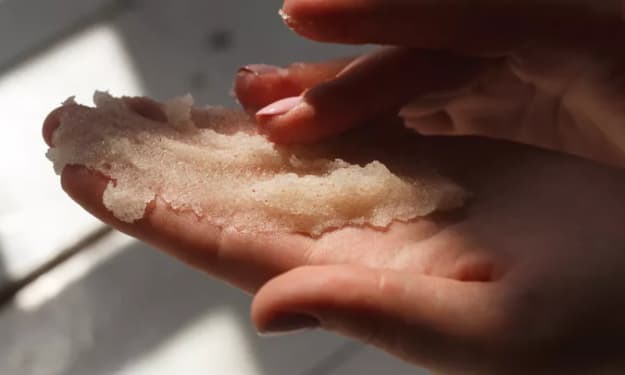
How to Use a Sugar Scrub the Right Way for Softer, Smoother Skin
In This Article ✅What Is a Sugar Scrub? ✅How to Properly Use a Sugar Scrub Your shower routine probably has all the basics covered: shampoo, conditioner, and sudsy body wash. But a fourth addition to this regimen—a good old fashioned sugar scrub—can make all the difference both in terms of your skin’s hydration and overall glow factor. With insights from a seasoned skincare pro, we’re diving into what sugar scrubs are and why they’re an absolute shower must, plus a quick rundown on how to properly use a sugar scrub.
By Good health to everyone7 days ago in Blush
How Independent Filmmakers Are Rethinking Film Financing
Over the past decade, the economics of filmmaking have been quietly transforming. For many years, large studios controlled most aspects of film production, from financing to distribution. Today, however, independent filmmakers are discovering new ways to bring projects to life without relying entirely on traditional studio systems.
By Andreas Szakacs4 days ago in Blush



Comments
There are no comments for this story
Be the first to respond and start the conversation.