
Understanding the Different Types of Acne Scars
Ice Pick, Boxcar, Rolling, and Hypertrophic
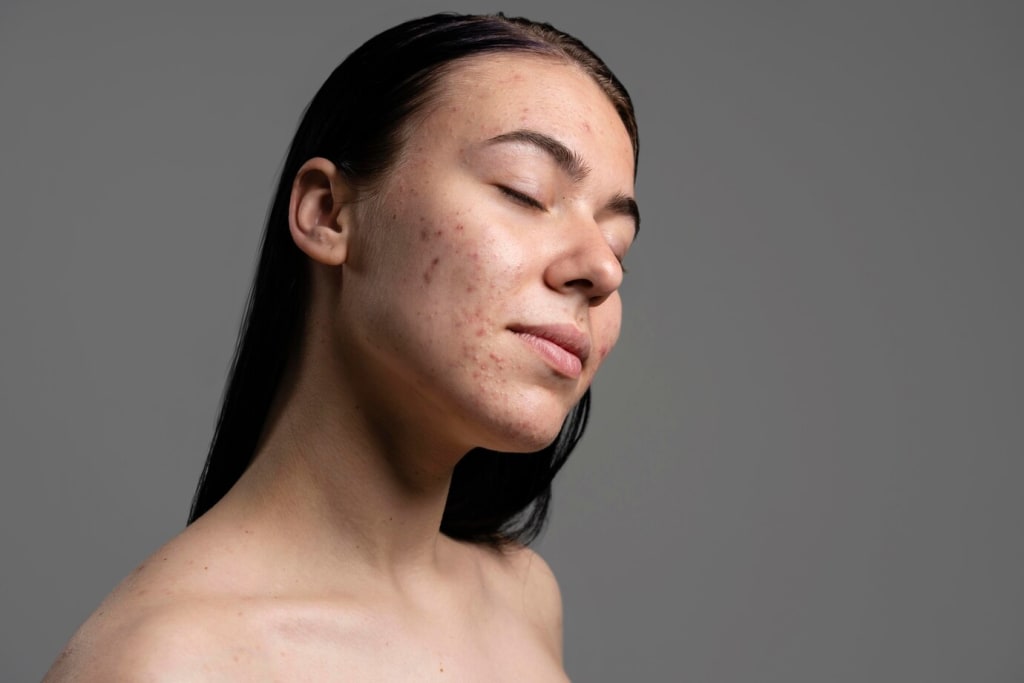
Acne is more than just a temporary skin issue its aftermath can leave long-lasting scars that affect skin texture and self-confidence. If you’re searching for Acne Scars Treatment, understanding the type of scars you have is crucial in choosing the right treatment. Not all acne scars are the same, and effective management starts with accurate identification.
Acne scars develop due to inflammation that damages the skin's tissue and disrupts the natural healing process. The type of scar that forms depends on the severity of the acne, skin type, genetic predisposition, and how the acne was treated or handled (like picking or squeezing pimples).
Let’s explore the four main types of acne scars and the advanced treatment options available today.
1. Ice Pick Scars
Appearance: Narrow, deep, and V-shaped, like tiny punctures on the skin
Caused by: Severe acne, especially cystic acne, that penetrates deeply and destroys skin tissue
Common areas: Cheeks, temples, and upper cheeks
Treatment Options:
• TCA CROSS (Chemical Reconstruction of Skin Scars): Involves the application of trichloroacetic acid into the scar to stimulate collagen production.
• Microneedling: Encourages skin repair and new collagen formation.
• Laser Resurfacing (Fractional CO2 or Erbium): Helps smooth out deep pits over time.
• Punch Excision: The scar is surgically removed, and the skin is sutured or grafted for a smoother appearance.
Ice pick scars are among the most challenging to treat and often require a combination of therapies for the best results.
2. Boxcar Scars
Appearance: Broad depressions with sharply defined edges, like shallow craters
Caused by: Inflammatory acne that destroys collagen and leaves behind sunken areas
Common areas: Lower cheeks, jawline, and temples
Treatment Options:
• Dermal Fillers: Temporary hyaluronic acid fillers lift the scarred area for immediate results.
• Laser Resurfacing: Reduces depth and promotes new skin formation.
• Microneedling with PRP (Platelet-Rich Plasma): Improves collagen production and skin tone.
• Subcision: Breaks down fibrotic bands beneath the skin to elevate the scar.
Boxcar scars respond well to treatments that focus on collagen remodeling and volume restoration.
3. Rolling Scars
Appearance: Broad, shallow depressions with sloped edges, giving the skin a wavy texture
Caused by: Fibrous bands pulling the skin downward due to collagen loss
Common areas: Mid to lower cheeks and jawline
Treatment Options:
• Subcision: A key treatment that releases the fibrous tethers and smooths the skin.
• Microneedling with RF (Radiofrequency): Tightens the skin and boosts collagen formation.
• Fillers or Fat Transfer: Used to lift the depressed areas.
• Laser Resurfacing: Helps refine skin texture.
Rolling scars are particularly responsive to treatments that target the underlying tissue and restore skin elasticity.
4. Hypertrophic and Keloid Scars
Appearance: Raised, thickened scars; keloids may extend beyond the original acne lesion
Caused by: Excessive collagen production during healing, often due to genetic factors or severe acne
Common areas: Jawline, chest, back, shoulders
Treatment Options:
• Intralesional Steroid Injections: Reduce inflammation and flatten raised scars.
• Laser Therapy (Pulsed Dye Laser or CO2 Laser): Shrinks and softens the scar tissue.
• Silicone Gel Sheets: Help to reduce scar thickness over time.
• Cryotherapy: Freezes and flattens hypertrophic tissue in some cases.
• Surgical Removal: Sometimes used for large keloids, followed by preventive treatment to avoid recurrence.
These scars require specialized care, as they can be persistent and prone to regrowth if not treated correctly.
Choosing the Right Acne Scar Treatment
Not all acne scars respond to the same treatment, and often, a combination approach is necessary for optimal results. Treatment choice depends on:
• The type and depth of the scar
• Your skin type and tone
• Past treatments, if any
• Your goals and downtime availability
Many treatments today are minimally invasive, and with the right professional guidance, noticeable improvements can often be seen within a few sessions.
Expert Care for Acne Scars in Navi Mumbai
For personalized and effective care, consulting a qualified specialist is key. Dr. Sneh Thadani (MBBS, DNB) is a trusted Consultant Dermatologist, Trichologist, and Cosmetologist with over nine years of experience in treating acne scars and other skin conditions. She combines advanced medical technology with a patient-focused approach to deliver safe, customized solutions for all skin types.
About the Creator
Keep reading
More stories from singhaiudhyog and writers in Blush and other communities.
From Transplant to Transformation
Hair loss is a common concern that can significantly impact confidence and self-image. For many, a hair transplant is a promising solution to restore not just hair, but also a sense of self. While the results can be transformative, it’s important to understand that hair restoration is a process, not a quick fix.
By singhaiudhyog10 months ago in Blush
Choose the Right Lipstick Shade for Your Skin Undertone
Choosing the right lipstick shade can completely transform a makeup look. While many people pick colors based on trends or personal preference, the most flattering lipstick usually depends on one important factor: your skin undertone. Understanding your undertone helps you select shades that naturally enhance your complexion rather than clash with it.
By Stories Today5 days ago in Blush
Andreas Szakacs: The Actor and Producer Shaping Stories at the Intersection of Technology and Power
In today’s entertainment industry, where technology and storytelling increasingly overlap, a new generation of filmmakers and actors is emerging to explore this evolving landscape. Among them is Andreas Szakacs — an actor and producer whose work frequently explores the intersection of finance, artificial intelligence, and global influence.
By Andreas Szakacs3 days ago in Blush
The Piggy Project
I’ve had so many names in this life I lose track of which ones were ever really mine and which ones I wore because someone needed me to. Some were handed to me before I had words to refuse them, before I knew what they meant, before I knew I could say no. Most weren’t meant to hurt. That doesn’t mean they didn’t leave marks. Marks that told me who I belong to, who I am by way of who claims me, recognizes me in the good and bad, who walks beside me.
By Fatal Serendipity5 days ago in Confessions




Comments
There are no comments for this story
Be the first to respond and start the conversation.