
Understanding Hormonal Acne: Causes, Symptoms, and Treatments
A Simple Guide to Understanding and Managing Hormonal Acne


Understanding Hormonal Acne: Causes, Symptoms, and Treatments
Hormonal acne is a common skin concern that many people face, often triggered by hormonal changes in the body. This article will break down what hormonal acne is, its causes, how to identify it, and the available treatments, making it easy to understand and manage.
What is Hormonal Acne?
Hormonal acne occurs when fluctuations in hormone levels affect the oil glands in your skin. These glands, known as sebaceous glands, are sensitive to hormonal changes, particularly to a group of hormones called androgens, such as testosterone. When androgen levels increase, the glands produce more oil, which mixes with dead skin cells and clogs pores. This environment promotes bacterial growth, inflammation, and eventually acne breakouts.
Common Causes of Hormonal Acne
Several factors contribute to hormonal acne:
1. Hormonal Fluctuations
Events like puberty, menstruation, pregnancy, and menopause often lead to changes in hormone levels, increasing the likelihood of acne breakouts.
2. Androgen Excess
High levels of androgens, as seen in conditions like polycystic ovary syndrome (PCOS), can overstimulate the oil glands, leading to acne. PCOS can also cause symptoms like irregular periods and excessive hair growth.
3. Stress
Chronic stress raises cortisol levels, which can indirectly affect other hormones and exacerbate acne.
4. Medications
Certain drugs, including steroids and hormonal therapies, may alter hormone levels and trigger acne.
5. Diet
Diets high in sugar, processed foods, and unhealthy fats may contribute to inflammation and hormonal imbalances, potentially worsening acne.
6. Genetics
A genetic predisposition to hormonal imbalances or sensitivity to hormones can make some people more prone to hormonal acne.
How to Identify Hormonal Acne
Hormonal acne has unique characteristics that differentiate it from other types of acne:
- Location: Hormonal acne typically appears on the lower face, including the jawline, chin, and lower cheeks.
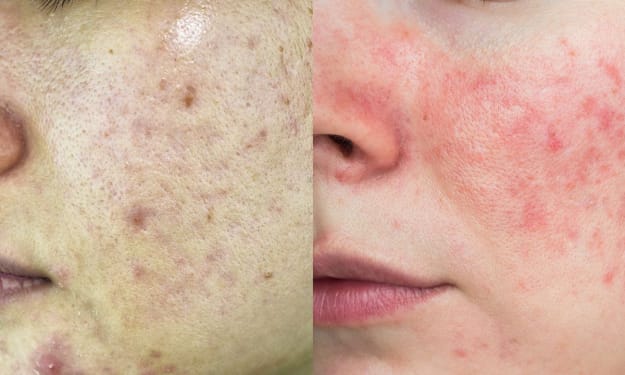
- Appearance: It often manifests as deep, painful cysts or nodules that are inflamed and tender.
- Timing: Flare-ups often align with hormonal changes, such as during a menstrual cycle or pregnancy.
- Age Group: It is more common in adults, particularly women, while teenage acne tends to occur during puberty.
Treatment Options for Hormonal Acne
If you’re dealing with hormonal acne, don’t worry—there are several effective treatment options available:
1. Topical Treatments
- Over-the-counter products containing salicylic acid or benzoyl peroxide can help unclog pores and reduce inflammation.
- Prescription treatments like retinoids, azelaic acid, or topical antibiotics may be recommended by a dermatologist for more severe cases.
2. Oral Medications
- Birth Control Pills: These regulate hormone levels by balancing estrogen and progestin, reducing androgen levels, and decreasing oil production.
- Anti-Androgen Medications: Drugs like spironolactone can block the effects of androgens on the skin, helping to control oil production.
3. Lifestyle Changes
- A balanced diet rich in whole foods, regular exercise, and good sleep hygiene can help regulate hormones and support overall skin health.
- Reducing stress through practices like meditation or yoga can also positively impact hormonal balance.
4. Professional Treatments
- Dermatologists may recommend procedures such as chemical peels, laser therapy, or extractions for stubborn acne.
5. Managing Androgen Excess
Addressing androgen imbalances is crucial for long-term health and clear skin:
- Prevention of Health Complications: Left untreated, androgen excess can lead to conditions like type 2 diabetes and heart disease.
- Symptom Management: Treating androgen excess can alleviate acne and other symptoms like excessive hair growth.
- Fertility Concerns: Early treatment is especially important for those experiencing menstrual irregularities or planning to conceive.
Why Early Treatment is Important
Seeking treatment for hormonal acne and androgen excess early can:
- Prevent worsening symptoms.
- Avoid long-term complications.
- Improve quality of life and self-esteem.
Final Thoughts
Hormonal acne can be frustrating, but understanding its causes and treatment options can help you take control. If you suspect hormonal imbalances are causing your acne, consult a dermatologist or healthcare provider. With the right approach, you can achieve healthier skin and improve your overall well-being.
If you found this guide helpful, consider sharing it and seeking professional advice for your skin concerns.
About the Creator
Keep reading
More stories from Cherub Kane and writers in Blush and other communities.
Breakout or Purge?
Here are five key things you need to know to differentiate between the two. 1. What Does a Breakout Look Like? A breakout typically appears as large, painful, red, and often nodular bumps. They usually occur in new areas of your skin where you don’t normally experience acne. Hence, the term "breakout" – it’s like your skin is reacting and "breaking out" in unexpected places.
By Cherub Kaneabout a year ago in Blush
Is the Viral 10-Step Korean Skincare Routine Really Helpful?
The 10-step Korean skincare routine has been one of the most trending in the beauty world lately. It is claimed to provide us with glass-like skin. The beauty regimen is based on prevention and frequency, and it is geared towards using lightweight products to improve the skin barrier. But it is as good as it is and cannot be allowed in all cases.
By Good health to everyonea day ago in Blush


Comments
There are no comments for this story
Be the first to respond and start the conversation.