
Three tips for Clearing Acne
proven strategies for acne-free skin

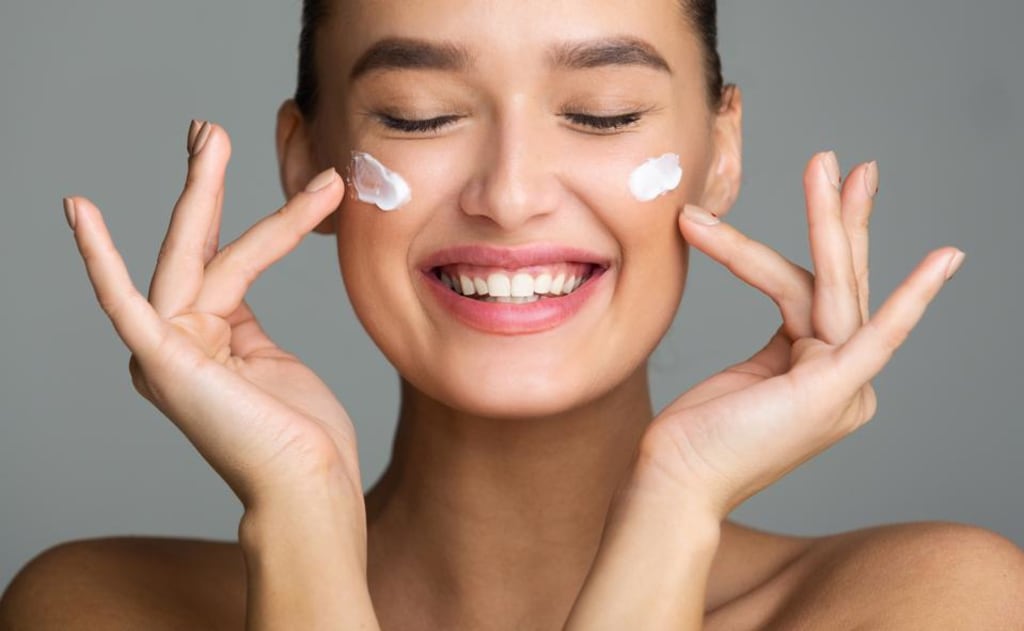
In a world where appearances can shape destinies, a seemingly innocent blemish emerges as a formidable foe. Acne, the silent disruptor, casts its shadow across countless lives, leaving no aspect untouched. From shattered self-esteem to social limitations, its influence extends far beyond the skin's surface, weaving a complex tapestry that demands attention.

My experience
I am one of the victims and patients who suffer from acne for a really long time since I was in high school, and I sought many dermatologists in different clinics only to find their advice almost alike: take Isotretinoin 2 times a day, tapering off when you are getting less acne shown in your face. But the predicament was, this was not a once for all solution because we still needed to cut it off completely someday, and acne could happen again once you stop taking the medicine. I had taken Isotretinoin and other medicines like Minocycline during these years, and every time I cut them off did I find my face start to become oily and lots of pimples appeared quickly, and it didn't help using any cleansers or other skincare products. So I began to search every essays and article which might be good for my face and even bought a book called Acne and Rosacea, which taught me knowledge about ance from scratch, including how acne occurs, how many different types of acne we have, what medicine can cure acne and what kinds of diet should we follow to remove acne, etc. Through a long period of learning and taking medicine written in the book, my face become cleaner and even brighter than it used to be. Now I would like to give you guys some of my advice which may relieve your physical and mostly, emotional pain to a certain extent.

what is acne
To begin with, I want to explain what acne is, how it occurs, with some simple language. Acne is a common skin condition characterized by the formation of pimples, blackheads, and whiteheads. It occurs when hair follicles become clogged with oil and dead skin cells. The sebaceous glands, which produce oil, can become overactive and produce excess sebum. This excess oil, along with the accumulation of dead skin cells, can block the follicles. Bacteria, particularly Propionibacterium acnes, can also contribute to acne. The blocked follicles can result in inflammation, leading to the formation of different types of acne lesions. Hormonal changes, such as during puberty, can increase oil production and contribute to acne development.
After we figure out how acne happens and some essential factors which may trigger acne, there are some solutions for different groups of people, whether they are in light conditions or severe ones.
Tips
First, take Retinoid or at least add Retinoid to your daily skincare routine because Retinoid, or vitamin A, is considered one of the most effective components which can help unclog our pores, reduce inflammation and regulation oil. A certain amount of Retinoid is also beneficial for us, as shown by reducing the appearance of fine lines, wrinkles, and age spots to achieve a certain degree of anti-ageing.
Second, use Benzoyl Peroxide when you have any pimples or acne with SCT (Short Contact Therapy). Benzoyl peroxide is a common ingredient in many acne treatments. It works by reducing the amount of acne-causing bacteria on the skin, as well as by helping to remove excess oil and dead skin cells. It can also have a drying effect, which can help to unclog pores and prevent further breakouts. It's important to note that while benzoyl peroxide can be effective in treating acne, it may cause dryness, redness, or irritation in some individuals. That's why I suggest taking the SCT method with a lower concentration and gradually increasing as tolerated.
Apart from taking medicine, following a healthy diet can also help us to reduce the occurrence of acne. Studies show that people who choose the Mediterranean diet, which includes proportionally high consumption of unprocessed cereals, legumes, olive oil, fruits, and vegetables, and moderate consumption of fish and meat products, for several months demonstrate the positive sign of mitigating acne in that those foods provide essential nutrients like omega-3, vitamins and minerals that support overall skin health.
All in all, oral medicine like Minocycline, Isotretinoin or other antibiotics still plays a critical role when it comes to acne treatment, but only through frequent contact with the medicine or following the methods above can maximize their efficacy.
Remember, It's advisable and necessary to consult with your dermatologist for personalized advice and treatment options first.
About the Creator
sam liao
committing to contribute some useful knowledge of skincare to you
Keep reading
More stories from writers in Blush and other communities.
7 Common Types of Hair Extensions: Which One Is Best for Your Hair?
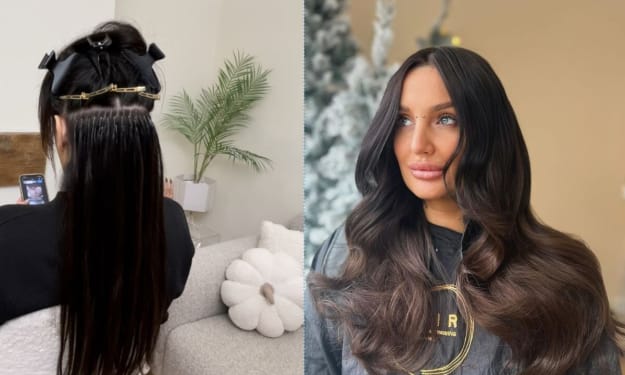
Hair extensions have revolutionized the beauty world, offering an instant transformation in length, volume, and even color without the commitment of chemical dyes. According to the comprehensive guide BELLECODE by New Times Hair (read the original here), selecting the right extension type is the secret to achieving a natural, comfortable, and seamless look.
By Emma Smith6 days ago in Blush
🅼🅸🅳🅽🅸🅶🅷🆃 🆂🅽🅰🅲🅺🆂
"It's 10 in Tuscon! We all know what that means... It's Time for Midnight Snacks with your man, Gerald Gee! Ready to spend the night together? Me too! I'm full of snacks and can't wait to regurgitate them all back into your hungry ears. Crack a brew! Pop some corn! Anything to get ready for one hell of a show where the talk maybe cheap but the words cut deep...
By Lamar Wiggins5 days ago in Fiction



Comments
There are no comments for this story
Be the first to respond and start the conversation.