
Think Before Skin Whitening: What Every Beauty Lover Must Know
Before you lighten your skin, understand the hidden risks, cultural pressure, and healthier alternatives shaping the face of beauty in 2025

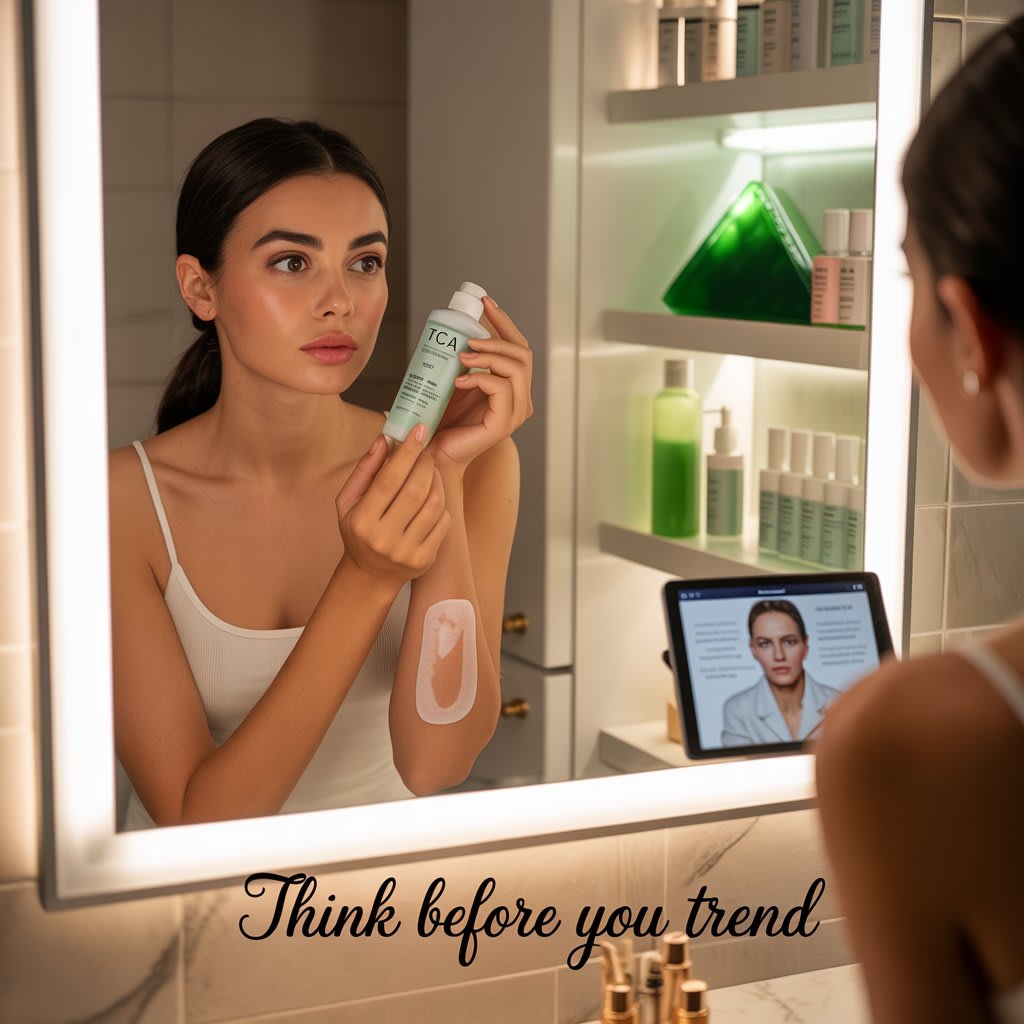
Skin whitening has long been a controversial topic in the beauty world. In many cultures, lighter skin is still wrongly associated with beauty, success, and status. But as the skincare industry evolves and self-love movements grow stronger in 2025, more people—especially young women—are starting to pause and ask themselves: Is skin whitening really necessary? Is it safe? And what am I trying to change about myself? This article doesn’t aim to shame or discourage but rather to educate and encourage thoughtful choices before reaching for that so-called miracle cream. Because when it comes to your face, permanent decisions require permanent care.
Why Skin Whitening Is Still Popular in 2025
Despite the growing popularity of self-acceptance and natural beauty, skin whitening products remain bestsellers across Asia, Africa, and even parts of Europe and the U.S. Social media filters, celebrity endorsements, and fairness-focused ads still influence how girls perceive beauty. Even in progressive societies, skin tone bias lingers in job interviews, marriage proposals, and social settings. As a result, many girls—especially between the ages of 16 and 30—turn to whitening creams, pills, and treatments hoping to gain confidence, compliments, or social approval. But what they don’t always realize is that the road to a fairer face can come with a very high cost.
Hidden Dangers Lurking in Whitening Products
Not all skin whitening products are safe. In fact, many over-the-counter creams—especially unregulated ones—contain dangerous ingredients like hydroquinone, mercury, and corticosteroids. These substances may offer fast lightening effects, but they also come with serious risks. Mercury can damage the kidneys and nervous system. Prolonged use of steroids can thin the skin, cause hormonal imbalances, and lead to permanent discoloration. Hydroquinone, banned in several countries, may cause a condition called ochronosis, which makes the skin turn grayish-black—ironically the opposite of what users were trying to achieve. Yet, due to aggressive marketing and lack of awareness, many continue using these without understanding the damage they’re causing.
Psychological Pressure Behind Whitening Choices
Many girls report that their first exposure to fairness ideals came not from their own reflection, but from others’ comments. "Don’t go outside, you’ll get dark." "She’s pretty, but she’s too dark." "Use this cream so your pictures look better." These casual remarks, often from family or friends, can deeply shape a girl’s self-image. Over time, this creates a mindset that being fair means being accepted. But this pressure, often passed down generationally, steals confidence and forces many to chase an unrealistic version of beauty. In 2025, more beauty influencers and skin-positive campaigns are speaking out, urging people to embrace all shades of skin as beautiful—but the journey is far from over.
Whitening Isn’t the Same as Brightening
It’s important to draw the line between skin whitening and skin brightening. Whitening refers to reducing melanin levels to lighten your natural skin tone—often done using harmful chemicals. Brightening, on the other hand, focuses on making your existing skin tone look healthier, more radiant, and even-toned. Brightening products use ingredients like Vitamin C, Niacinamide, and Licorice Extract, which don’t bleach but rather reduce pigmentation, sun damage, and dullness. So if your goal is to achieve glowing, smooth skin, you can do that without trying to change your original complexion. More dermatologists and beauty coaches are now recommending skin tone enhancement instead of tone alteration.
How to Make a Safer Decision
Before jumping into any whitening treatment, ask yourself a few key questions. What is my reason for wanting to whiten my skin? Is it pressure from society, or something I truly want? Have I researched the ingredients? Is this product approved by dermatologists and authorities? Could I be harming my skin’s long-term health for short-term results? Being honest with yourself is the first step toward responsible skincare. If you still want to explore options, go for gentle, natural alternatives that improve tone without removing what makes your skin unique.
Safe and Natural Alternatives
If your goal is to reduce acne marks, tan, or dullness, consider nature-based remedies that nourish rather than damage. Aloe Vera, Turmeric, Rosehip Oil, Papaya Enzymes, and Sandalwood are all known for fading dark spots and promoting brightness. Instead of whitening your face, they help balance uneven skin tone while boosting glow and hydration. DIY masks, brightening serums, and natural oils are trending across beauty communities in 2025 as safe alternatives to harsh bleaching products.
Real Beauty Is Confidence in Your Own Skin
More and more girls are realizing that true beauty is not about being fair—it’s about being fresh, healthy, and happy in your own skin. Look at global beauty icons and influencers: they come in all skin tones and proudly wear their natural shade. Brands in 2025 are also promoting inclusive beauty by launching makeup and skincare for all skin colors. When you take care of your skin with love and patience, it shows. No cream can replace the radiance that comes from confidence, self-love, and consistent, gentle care.
Voices Leading the Change
Many beauty bloggers and dermatologists now use their platforms to educate girls about the dangers of skin whitening and promote skin acceptance. Campaigns like #UnfilteredBeauty and #BrownSkinIsBeautiful are helping young girls reclaim their identity and break free from outdated ideals. They focus on celebrating diversity, highlighting natural skincare, and reshaping what it means to be beautiful in today’s world.
The Final Word: Your Skin Is Not a Problem to Fix
It’s okay to want to look your best. But it’s also okay to be exactly who you are. Before choosing skin whitening, think about your motivation, the risks, and the healthier paths available. You deserve skincare that loves you back, not products that punish your natural beauty. Choose glow over bleach, brightness over fear, and confidence over comparison. In 2025, real beauty is no longer about looking whiter—it’s about looking real, radiant, and yourself.
Note:
This article was created with the assistance of AI (ChatGPT), then manually edited for originality, accuracy, and alignment with Vocal Media’s guidelines.
✨Have you ever felt pressured to whiten your skin? Or have you chosen to embrace your natural tone and glow up the healthy way? Share your story, tips, or opinions in the comments!
About the Creator
The Blush Diary
Blending romantic tales with beauty secrets—each story a soft whisper of love, each tip a gentle glow. Step into the enchanting world of The Blush Diary and don’t forget to subscribe for more! 🌹
Keep reading
More stories from The Blush Diary and writers in Blush and other communities.
Aloe Vera for Face Whitening: The Natural Secret Many Girls Swear By
In a world filled with chemical-laden skincare products promising quick fixes, a quiet revolution is taking place in beauty routines across the globe. In 2025, more and more girls are going back to nature, rediscovering ancient remedies that are not only safe but genuinely effective. Among them, Aloe Vera has emerged as the undisputed queen of natural skincare. Girls from the U.S., Pakistan, India, and the UK have been swearing by its power to transform dull, pigmented skin into bright, glowing complexions. But what makes Aloe Vera so magical when it comes to face whitening? And how can you use it to achieve real, visible results? Let’s dive into why this green miracle plant is now a staple in every beauty enthusiast’s skincare shelf.
By The Blush Diary8 months ago in Blush


Comments
There are no comments for this story
Be the first to respond and start the conversation.