
The No. 1 Fruit With the Most Protein, According to a Dietitian
Unlock the surprising power of passion fruit—5 g of protein per cup, plus fiber, vitamins, and antioxidants to fuel your health journey

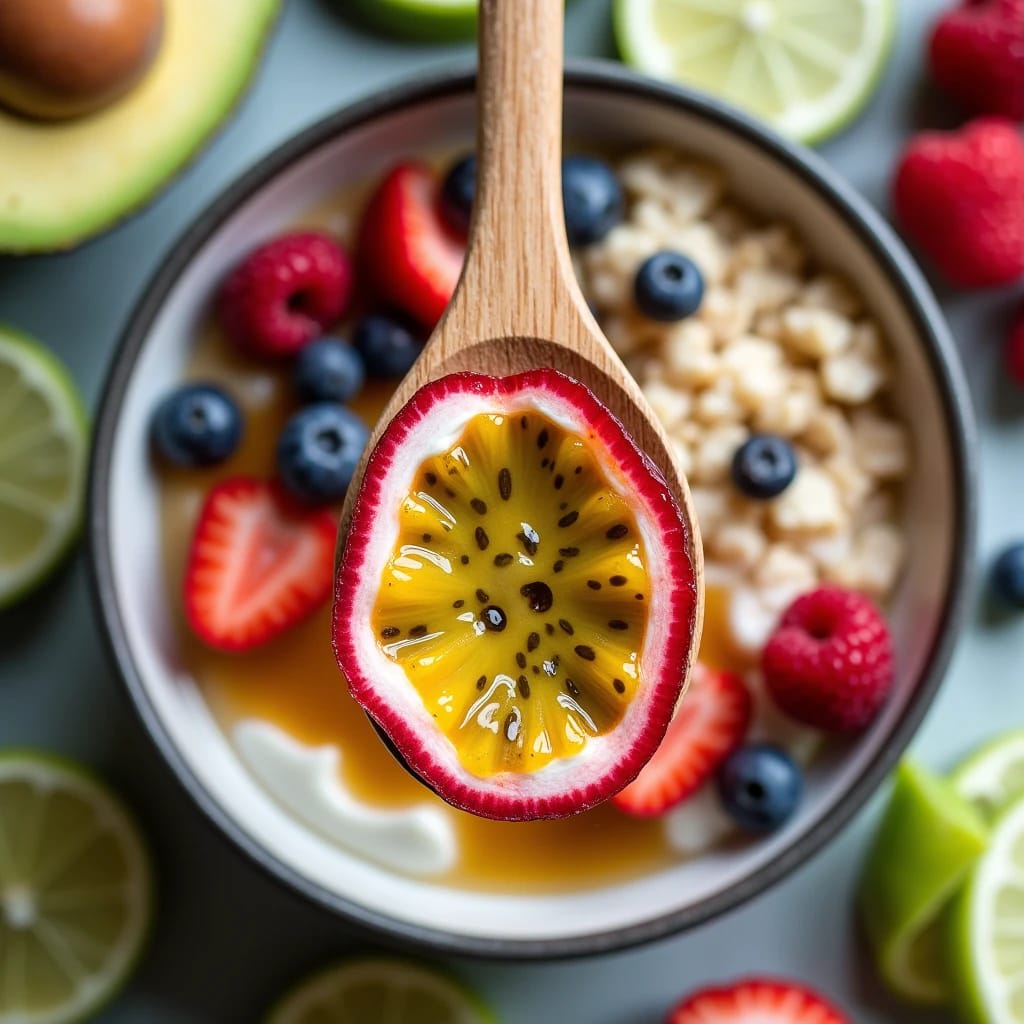
When you think of protein-packed foods, fruits likely don’t make the top of the list. Beef, poultry, dairy, and legumes overshadow fruit in protein content, and with no complete amino acid profile, fruit isn’t a replacement for traditional protein sources. However, according to dietitian Natalie Rizzo, nutrition editor for TODAY, fruit can still play a valuable supporting role in a protein-focused plate. Sneaking a serving of high-protein fruit into your day can boost your intake while delivering fiber, vitamins, antioxidants, and satisfying sweetness.
Why Fruit Protein Matters
Protein is a crucial macronutrient—you need it for satiety, muscle and tissue repair, enzyme production, hormone balance, and immune support. Most adults should aim for at least 20–30 g of protein per meal, depending on activity level and body size . Fruits won’t carry the bulk of that, but every gram counts—especially in plant-forward diets.
Besides protein, fruits bring fiber (promotes digestive health), potassium (supports heart and fluid balance), vitamins A, C, E (powerful antioxidants), and phytonutrients that protect against inflammation and cellular damage. So even though fruit’s protein is “additive” rather than foundational, it enhances both flavor and nutrition .
Passion Fruit: The Protein Champion
The reigning fruit for protein? Passion fruit—delivering roughly 5 g per cup (approx. 236 g) . To put that in perspective, that’s nearly as much protein as a large egg, and nearly double what other top contenders offer. What’s more, 1 cup of passion fruit contributes over 24 g of fiber, 70 mg vitamin C, 68 mg magnesium, and 821 mg potassium .
What makes it so protein-dense?
Botanically a pepo (berry with a leathery shell), passion fruit’s seeds and pulpy sacs contain both protein and the antioxidant-rich polyphenols prunasin, piceatannol, and more . Those compounds may aid insulin sensitivity and glucose control—though more research is needed .
Beyond Protein: Key Nutrients in Passion Fruit
Fiber: ~24 g per cup, aiding digestion and satiety
Vitamin C & A: Antioxidants vital for immunity, skin, eye health, and collagen production
Magnesium & Potassium: Support muscle and nerve function, blood pressure regulation, and cellular health
Phytonutrients: Beta‑carotene, polyphenols, and Seeds: prunasin, polyphenolic antioxidants
How to Enjoy Passion Fruit
1. Straight scooping: Slice it open and spoon the aromatic pulp over yogurt, cereal, or dessert.
2. Blended bliss: Toss into smoothies, juice blends, or acai bowls.
3. Savory splash: Drizzle over grilled chicken or fish for sweet‑tart contrast.
4. Baking & beverages: Use it for jams, jellies, sorbets, cocktails, vinaigrettes, and more .
Other Fruits With Higher‑Than‑Average Protein
Though none come close to passion fruit, these fruits still pack 2–4 g of protein per cup:
Guava: ~4.2 g protein, rich in vitamin C and fiber
Avocado: ~3–4 g, also full of healthy fats and satiety‑boosting monounsaturated fats
Jackfruit: ~2.6–3 g; great in savory dishes like tacos or stir‑fries
Pomegranate (arils): ~2–3 g, plus anthocyanins and vitamin C
Apricots: ~2.2 g fresh; dried versions can reach ~4.4 g per cup
Berries & cherries: Blackberries, raspberries, cherries ~1.5–2 g each, loaded with antioxidants
These fruits can elevate the protein in everyday meals like oatmeal bowls, salads, smoothies, and snacks—without compromising taste or variety.
Incorporating Fruits Into a Protein‑Rich Meal
Breakfast: Greek yogurt + passion fruit + almonds = creamy, crunchy, protein‑rich bowl.
Lunch: Avocado & pomegranate on leafy greens with grilled chicken or chickpeas.
Snack: Sliced guava or apricot + nut butter or cheese.
Dinner: Jackfruit “pulled pork” tacos with slaw and beans; passion fruit salsa for fish.
Dessert: Passion fruit sorbet, apricot‑glazed pastries, or berry fruit salad.
Dietitian’s Take
Fruits alone won’t satisfy your protein needs—but as add-ons, they really count. Rizzo emphasizes that fruit-based protein is supplemental, not foundational . Integrate passion fruit and other higher‑protein fruits thoughtfully to enhance nutrition, flavor, and diversity in your meals. Aim for the USDA’s recommended 1.5–2 cups of fruit daily—including a variety to boost both protein and micronutrients .
Conclusion
Top protein fruit: Passion fruit (~5 g/cup)
Runner-ups: Guava, avocado, jackfruit, pomegranate, apricot, berries (~2–4 g)
Why it matters: Adds protein + fiber + vitamins without relying on animal or legume sources
Tip: Use fruit as protein boosters—blend, layer, toss, or scoop to enrich all meals
By elevating your protein intake with vibrant, nutrient-rich fruits—especially protein-dense passion fruit—you can enjoy delicious meals that support fullness, vitality, and overall health.
About the Creator
Muhammad Sabeel
I write not for silence, but for the echo—where mystery lingers, hearts awaken, and every story dares to leave a mark
Keep reading
More stories from Muhammad Sabeel and writers in Blush and other communities.
What My Red Bikini Taught Me About Confidence (and Rejection)
The Bikini That Waited Two Summers It sat in my drawer for two years. A bold, fire-engine red bikini that I bought during a flash sale, late at night, while imagining a version of myself that didn’t exist yet—confident, carefree, and unapologetic. The kind of woman who walks down the beach like the tide rises for her.
By Muhammad Sabeel8 months ago in Blush
Magazine Dreams: A Powerful Psychological Drama About Obsession, Identity, and the Pursuit of Recognition
In recent years, psychological character studies have become an important part of modern cinema. Films that focus on the inner struggles of individuals often reveal more about human nature than traditional narratives centered on action or spectacle. One such film is Magazine Dreams, a psychological drama written and directed by Elijah Bynum.
By Backlinks Cart7 days ago in Blush
How to Use a Sugar Scrub the Right Way for Softer, Smoother Skin
In This Article ✅What Is a Sugar Scrub? ✅How to Properly Use a Sugar Scrub Your shower routine probably has all the basics covered: shampoo, conditioner, and sudsy body wash. But a fourth addition to this regimen—a good old fashioned sugar scrub—can make all the difference both in terms of your skin’s hydration and overall glow factor. With insights from a seasoned skincare pro, we’re diving into what sugar scrubs are and why they’re an absolute shower must, plus a quick rundown on how to properly use a sugar scrub.
By Good health to everyone6 days ago in Blush




Comments
There are no comments for this story
Be the first to respond and start the conversation.