
The Last Falcon of Orakzai
A Tale of Courage, Sacrifice, and the Spirit of a Pashtun Woman

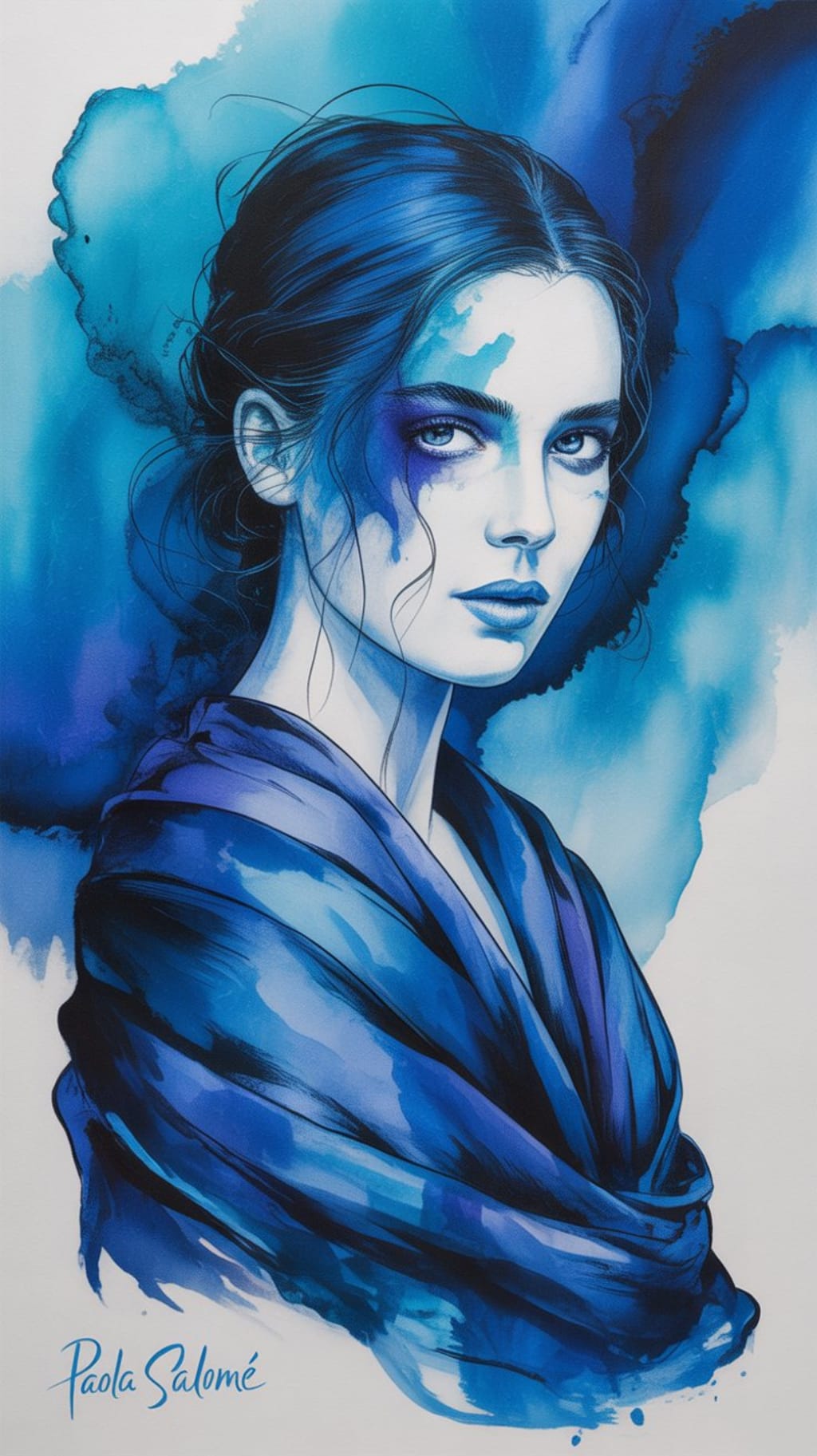
In the highlands of Orakzai, where cliffs kiss the clouds and rivers cut through stone like history through time, there lived a girl named Shah Bibi. She was not known for her beauty, although her eyes sparkled like the morning dew. She was known for something far greater—her courage.
Shah Bibi belonged to the Orakzai tribe, known for their honor and fierce independence. Her father, Ghazi Gul, was a retired warrior, once feared on the battlefield and respected in jirgas across Khyber and Tirah. He had taught her not just how to cook and sew, but also how to read, write, and ride horses.
“A Pashtun girl,” he often said, “must know how to carry a pen as well as a sword.”
Shah Bibi would ride through the mountains on her white mare, Speen Gul, wearing a woolen shawl and carrying a small dagger tied at her waist—not to fight, but to remember her father’s words: “Honor is not given, it is earned.”
🌪️ The Storm Comes
One autumn, rumors reached Orakzai: a rogue militia from the lowlands was moving toward the tribal belt, looting villages and disrespecting women—something no Pashtun, man or woman, could ever tolerate.
The elders gathered in the masjid courtyard, discussing defense, calling for men to take arms.
Shah Bibi stood at the edge, listening.
When one elder said, “Let the men decide; the women must stay in the home,” she stepped forward boldly.
“When our land is burned, it does not ask if the foot that crushed it wore a sandal or a boot. Let me fight. Let me defend what is ours.”
The jirga gasped.
Ghazi Gul, though proud, looked down. He knew the path ahead would not be easy. But he did not silence his daughter.
🏞️ Defender of the Pass
The attack came three days later. A group of armed men descended from the south, expecting to face a sleepy village. But they were met by a line of villagers—old men, young boys, and among them, Shah Bibi.
She stood at the stone pass, a narrow corridor between two cliffs. Whoever held the pass could protect the valley.
With only twelve fighters, she held the attackers off for hours, moving between rocks, signaling with hand mirrors, and guiding the men with strategy and calm.
But then, she was struck.
A bullet pierced her side.
Yet she did not fall. With her scarf tied around her waist to stop the bleeding, she kept fighting, shouting:
“Za da nang naray yum! I am the cry of honor!”
By nightfall, the enemy retreated. The villagers had won.
But Shah Bibi collapsed.
🌙 The Song of Shah Bibi
She was taken home, bloodied but alive. Elders, for the first time, bowed their heads before a woman—not in shame, but in respect.
Women wept, not in sorrow, but in pride. Children ran through the streets shouting:
“Da Orakzai shaazma da! She is the brave one of Orakzai!”
When she recovered weeks later, she found a scroll on her doorstep. It was a poem written by a wandering poet from Kohat, now traveling through the mountains:
“Da nang ghazal da tor pa las kai likay,
Shah Bibi da nam pa da tappa kai likay.
(She writes the poem of honor with the sword in her hand,
Shah Bibi’s name is now written in every folk song.)**
💍 A New Kind of Proposal
Soon, offers of marriage began to arrive—from tribal elders, commanders, and scholars. But she refused them all.
One day, a quiet man named Sulaiman came with no sword, no gifts, no horses. Only a book of Pashto poetry and a letter:
“I do not offer gold, nor land, nor pride. I only offer a heart that respects yours. If you say yes, I’ll stand by your side—not in front, not behind.”
Shah Bibi smiled for the first time in weeks.
They married under the stars, the moon a silent witness, and the rabab playing in the distance.
Their marriage was not of tradition alone—it was a union of equality, respect, and shared purpose.
📚 Her Legacy
Years later, Shah Bibi opened a school for girls in Orakzai—the first of its kind in the region. She named it “Maktab-e-Nang” (The School of Honor).
She taught young girls how to read, write, and ride horses. She hung a wooden sign outside the school that read:
“A Pashtun girl is not weak. She is wind wrapped in poetry.”
🕊️ Final Words
Shah Bibi lived not to be remembered as a fighter, but as a builder of peace, a symbol of honor, and a light in a dark time.
And when she died, old and beloved, her grave was placed high on a hill, where the falcons fly.
To this day, travelers say they hear her voice in the winds:
“Za da nang naray yum.”
I am the cry of honor.In the highlands of Orakzai, where cliffs kiss the clouds and rivers cut through stone like history through time, there lived a girl named Shah Bibi. She was not known for her beauty, although her eyes sparkled like the morning dew. She was known for something far greater—her courage.
Shah Bibi belonged to the Orakzai tribe, known for their honor and fierce independence. Her father, Ghazi Gul, was a retired warrior, once feared on the battlefield and respected in jirgas across Khyber and Tirah. He had taught her not just how to cook and sew, but also how to read, write, and ride horses.
“A Pashtun girl,” he often said, “must know how to carry a pen as well as a sword.”
Shah Bibi would ride through the mountains on her white mare, Speen Gul, wearing a woolen shawl and carrying a small dagger tied at her waist—not to fight, but to remember her father’s words: “Honor is not given, it is earned.”
🌪️ The Storm Comes
One autumn, rumors reached Orakzai: a rogue militia from the lowlands was moving toward the tribal belt, looting villages and disrespecting women—something no Pashtun, man or woman, could ever tolerate.
The elders gathered in the masjid courtyard, discussing defense, calling for men to take arms.
Shah Bibi stood at the edge, listening.
When one elder said, “Let the men decide; the women must stay in the home,” she stepped forward boldly.
“When our land is burned, it does not ask if the foot that crushed it wore a sandal or a boot. Let me fight. Let me defend what is ours.”
The jirga gasped.
Ghazi Gul, though proud, looked down. He knew the path ahead would not be easy. But he did not silence his daughter.
🏞️ Defender of the Pass
The attack came three days later. A group of armed men descended from the south, expecting to face a sleepy village. But they were met by a line of villagers—old men, young boys, and among them, Shah Bibi.
She stood at the stone pass, a narrow corridor between two cliffs. Whoever held the pass could protect the valley.
With only twelve fighters, she held the attackers off for hours, moving between rocks, signaling with hand mirrors, and guiding the men with strategy and calm.
But then, she was struck.
A bullet pierced her side.
Yet she did not fall. With her scarf tied around her waist to stop the bleeding, she kept fighting, shouting:
“Za da nang naray yum! I am the cry of honor!”
By nightfall, the enemy retreated. The villagers had won.
But Shah Bibi collapsed.
🌙 The Song of Shah Bibi
She was taken home, bloodied but alive. Elders, for the first time, bowed their heads before a woman—not in shame, but in respect.
Women wept, not in sorrow, but in pride. Children ran through the streets shouting:
“Da Orakzai shaazma da! She is the brave one of Orakzai!”
When she recovered weeks later, she found a scroll on her doorstep. It was a poem written by a wandering poet from Kohat, now traveling through the mountains:
“Da nang ghazal da tor pa las kai likay,
Shah Bibi da nam pa da tappa kai likay.
(She writes the poem of honor with the sword in her hand,
Shah Bibi’s name is now written in every folk song.)**
💍 A New Kind of Proposal
Soon, offers of marriage began to arrive—from tribal elders, commanders, and scholars. But she refused them all.
One day, a quiet man named Sulaiman came with no sword, no gifts, no horses. Only a book of Pashto poetry and a letter:
“I do not offer gold, nor land, nor pride. I only offer a heart that respects yours. If you say yes, I’ll stand by your side—not in front, not behind.”
Shah Bibi smiled for the first time in weeks.
They married under the stars, the moon a silent witness, and the rabab playing in the distance.
Their marriage was not of tradition alone—it was a union of equality, respect, and shared purpose.
📚 Her Legacy
Years later, Shah Bibi opened a school for girls in Orakzai—the first of its kind in the region. She named it “Maktab-e-Nang” (The School of Honor).
She taught young girls how to read, write, and ride horses. She hung a wooden sign outside the school that read:
“A Pashtun girl is not weak. She is wind wrapped in poetry.”
🕊️ Final Words
Shah Bibi lived not to be remembered as a fighter, but as a builder of peace, a symbol of honor, and a light in a dark time.
And when she died, old and beloved, her grave was placed high on a hill, where the falcons fly.
To this day, travelers say they hear her voice in the winds:
“Za da nang naray yum.”
I am the cry of honor.
About the Creator
DreamFold
Built from struggle, fueled by purpose.
🛠 Growth mindset | 📚 Life learner
Is the Viral 10-Step Korean Skincare Routine Really Helpful?
The 10-step Korean skincare routine has been one of the most trending in the beauty world lately. It is claimed to provide us with glass-like skin. The beauty regimen is based on prevention and frequency, and it is geared towards using lightweight products to improve the skin barrier. But it is as good as it is and cannot be allowed in all cases.
By Good health to everyone2 days ago in Blush
Korean Skincare Secrets: The Best Serums to Repair and Restore your Glow
You know that moment when your skin just looks tired, dull, uneven or not quite as radiant as it used to be? Trust me, we’ve all been there. Life happens, and our skin feels it in more ways than none. That effortless glow starts to fade, and suddenly your usual routine just isn’t doing enough.
By Good health to everyone5 days ago in Blush




Comments
There are no comments for this story
Be the first to respond and start the conversation.