
The Foundation of Anti-Wrinkle Treatment
Science, Strategy, and Self-Care

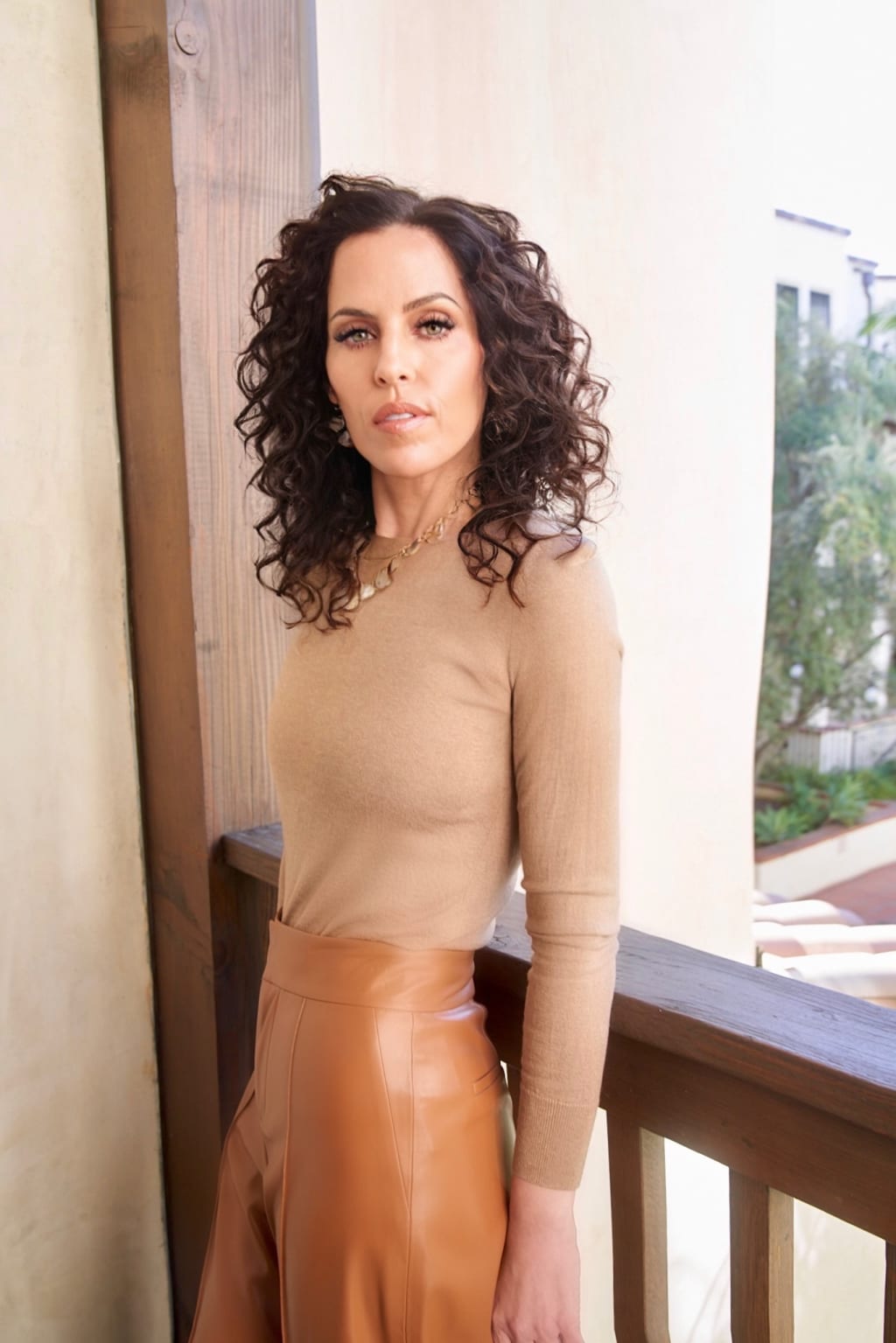
In today’s aesthetic landscape, anti-wrinkle treatment has evolved from a luxury to a practical self-care decision rooted in science, prevention, and personal confidence. While the results of these treatments are often visible in smoother, refreshed skin, their true foundation lies deeper—in precision, strategy, and patient education. Few understand this better than Cheyanne Mallas, PA, a highly regarded aesthetic practitioner known for her comprehensive approach to facial rejuvenation and skin wellness.
What Are Anti-Wrinkle Treatments?
Anti-wrinkle treatments primarily involve the use of neuromodulators such as botulinum toxin type A to reduce the appearance of fine lines and wrinkles. These treatments target dynamic wrinkles—those caused by repeated facial movements like frowning, smiling, and squinting. Common treatment areas include the forehead, between the brows, and around the eyes.
When these muscles are temporarily relaxed, the overlying skin appears smoother and more youthful. However, as Cheyanne Mallas, PA emphasizes, anti-wrinkle treatment is not about erasing personality or emotion—it’s about softening the signs of aging while preserving natural expression.
Understanding the Science
The effectiveness of anti-wrinkle treatments lies in their ability to intercept communication between nerves and muscles. By blocking the neurotransmitter acetylcholine, these treatments prevent the muscle from contracting. As a result, the skin above the muscle no longer folds or creases as it typically would during facial expressions.
While the concept may seem straightforward, successful results require an in-depth understanding of facial anatomy and function. “You can’t treat every face the same,” explains Cheyanne Mallas, PA. “Each patient’s muscle activity and facial dynamics are unique, which is why a personalized plan is essential.”
Why Starting Early Matters
An important shift in recent years has been the use of anti-wrinkle treatments as a preventative strategy rather than just a corrective one. Many patients now begin treatments in their late 20s or early 30s to prevent lines from becoming deeply etched into the skin.
This approach, sometimes called “prejuvenation,” focuses on delaying the visible signs of aging before they take hold. According to Cheyanne Mallas, PA, early intervention can lead to more subtle, natural results over time. “By minimizing the intensity of muscle movement early on, we can maintain smoother skin and reduce the need for more aggressive procedures later,” she notes.
Dispelling the Myths
Despite their popularity, anti-wrinkle treatments are still surrounded by misconceptions. Common myths include:
• “They freeze your face.”
• “They’re dangerous or toxic.”
• “They’re only for older people or celebrities.”
The truth is, when administered by a licensed and experienced medical professional, these treatments are safe, well-studied, and FDA-approved. Cheyanne Mallas, PA stresses the importance of working with qualified providers who prioritize patient education and transparency. “Our job isn’t just to treat—it’s to inform and empower patients so they understand what’s being done and why,” she says.
The Role of the Provider
The foundation of anti-wrinkle success rests on the skill and experience of the provider. Placement, dosage, and timing are all critical factors that influence the outcome. A subtle touch can enhance natural beauty, while improper technique can lead to unnatural results.
Cheyanne Mallas, PA is known for her nuanced, tailored approach that focuses on enhancing individual features rather than applying a one-size-fits-all method. Her goal is to create results that look effortless, with minimal intervention. “The best work is the kind you don’t notice—it just looks like someone who’s well-rested and glowing,” she shares.
The Full Picture: Holistic Skin Strategy
Anti-wrinkle treatment is just one piece of the skincare puzzle. For optimal results, it should be integrated into a broader strategy that includes:
• Medical-grade skincare
• Sun protection
• Hydration and nutrition
• Other cosmetic treatments, such as dermal fillers or microneedling
“Treating wrinkles isn’t just about one session—it’s about an ongoing partnership with your skin,” says Cheyanne Mallas, PA. She encourages clients to view anti-wrinkle treatments as part of a larger commitment to self-care and long-term skin health.
What to Expect from Treatment
The process of receiving anti-wrinkle treatment is quick and simple. After a thorough consultation and facial assessment, the injections are placed using an ultra-fine needle. The procedure usually takes 10–20 minutes with no downtime.
Patients can expect to see results within 3–5 days, with full effects developing in about two weeks. The smoother, more youthful appearance typically lasts 3–4 months before a follow-up session is recommended.
Looking Ahead: The Future of Aesthetic Medicine
As the demand for non-invasive aesthetic treatments continues to grow, so too does the need for expertise and ethical care. Patients are seeking more than just good results—they want trusted relationships, transparency, and thoughtful planning.
For professionals like Cheyanne Mallas, PA, that’s not a trend—it’s the foundation. “Aesthetic medicine should be built on respect for the individual, knowledge of the science, and a desire to empower people to feel their best,” she says.
About the Creator
Cheyanne Mallas
Cheyanne Mallas an esteemed Physician Associate, wealth of expertise spanning over 15 years within the realms of cosmetic dermatology and plastic surgery, with an unwavering focus on the captivating domain of bioregenerative aesthetics.
Keep reading
More stories from Cheyanne Mallas and writers in Blush and other communities.
How Bioregenerative Skincare Can Help You Age Gracefully as a Mom
Motherhood is a journey filled with beautiful moments, but it can also take a toll on your body, especially your skin. As a mom, your skincare routine may become secondary to the demands of daily life. However, embracing bioregenerative skincare can help you age gracefully while nourishing your skin and rejuvenating your spirit.
By Cheyanne Mallas12 months ago in Blush
Is the Viral 10-Step Korean Skincare Routine Really Helpful?
The 10-step Korean skincare routine has been one of the most trending in the beauty world lately. It is claimed to provide us with glass-like skin. The beauty regimen is based on prevention and frequency, and it is geared towards using lightweight products to improve the skin barrier. But it is as good as it is and cannot be allowed in all cases.
By Good health to everyone6 days ago in Blush



Comments