
"The Distance of Unsaid Things"
The rain lashed against the windowpanes of the penthouse apartment, a relentless drumbeat mirroring the tempest in Elara’s heart. Outside, the city lights blurred into streaks of color, a vibrant tapestry she felt utterly disconnected from. She was Elara Vance, the world-renowned architect, the woman who built empires of glass and steel, yet tonight, she felt like a crumbling ruin.
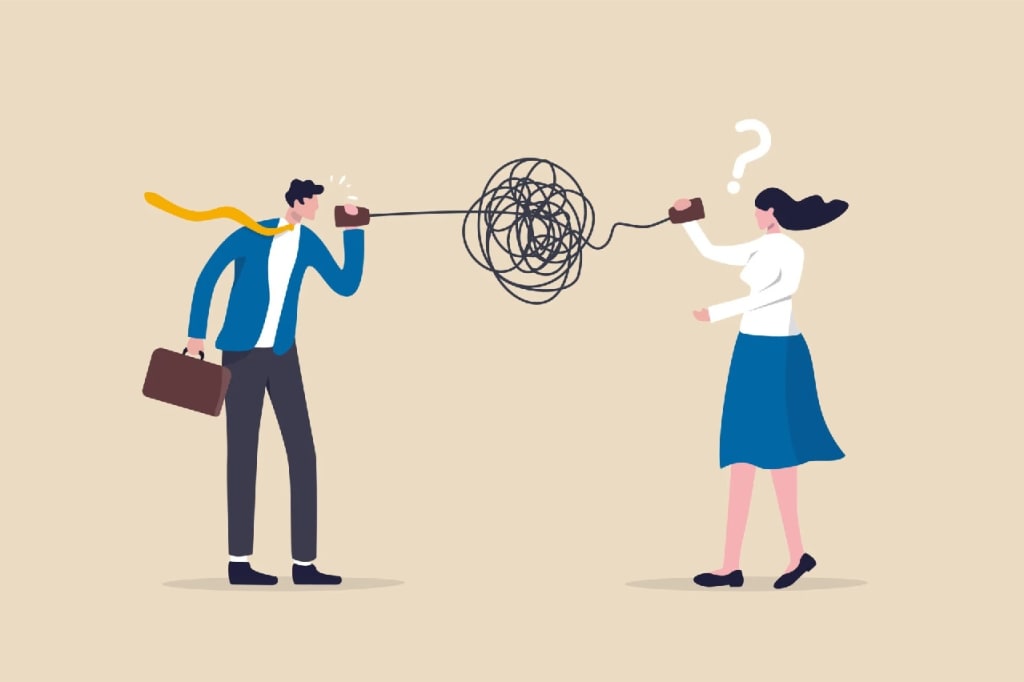
The rain lashed against the windowpanes of the penthouse apartment, a relentless drumbeat mirroring the tempest in Elara’s heart. Outside, the city lights blurred into streaks of color, a vibrant tapestry she felt utterly disconnected from. She was Elara Vance, the world-renowned architect, the woman who built empires of glass and steel, yet tonight, she felt like a crumbling ruin.
Her reflection stared back at her from the darkened glass – a woman of sharp angles and haunted eyes, the lines of stress etched deep around her mouth. She had everything the world deemed successful: wealth, fame, a sprawling apartment with a view that could steal your breath. Yet, a gnawing emptiness echoed in the silence. It had been years since she’d truly connected with anyone, years since she’d felt truly seen.
Her phone lay beside her on the polished marble countertop, a black rectangle of silence. It held countless contacts, a digital Rolodex of people she knew, but none she truly *knew*. Business associates, distant relatives, fair-weather friends who evaporated at the first hint of vulnerability. The only consistent presence in her life was the low hum of her anxieties, the relentless pressure to maintain the facade of invincibility.
It hadn’t always been this way. There were glimmers of a life before the walls went up. A life with laughter, shared secrets, and the comforting weight of another’s hand in hers. But those memories were shrouded in a fog of pain and regret, buried beneath layers of self-imposed isolation.
She reached for a glass of water, her hand trembling slightly. The tremors had started subtly, a faint vibration in her fingertips, but they were growing more pronounced. Along with the constant dull ache in her chest, the persistent fatigue, the recurring migraines that felt like a vise tightening around her skull. Her doctor, a man with kind eyes and a frustratingly vague diagnosis of “stress-related symptoms,” had prescribed rest and relaxation. As if Elara Vance knew the meaning of either.
She had tried everything. Yoga, meditation, even a brief, disastrous attempt at therapy with a woman who spoke in platitudes and offered herbal teas. Nothing touched the root of her unease. It was a phantom limb ache, a profound sense of something missing, something vital being withheld.
The rain finally began to subside, the city emerging from the downpour like a freshly painted canvas. Elara turned away from the window, the silence in the apartment pressing in on her. She needed a distraction, something to pull her away from the swirling vortex of her own thoughts.
Her gaze fell on a framed photograph on a nearby shelf. It was old, the colors slightly faded, but the image was still vibrant. Herself, younger, laughing, her arm around a woman with a cascade of fiery red hair and eyes that sparkled with mischief. Clara.
Clara, her best friend from childhood, her confidante, the person who knew her better than anyone. They had been inseparable, their lives a tangled knot of shared experiences and dreams. Until… until the silence had fallen between them.
Elara’s stomach clenched. The last time they had spoken was years ago, a brief, stilted conversation that had ended with unspoken words hanging heavy in the air. A misunderstanding, a hurt left unaddressed, a chasm that had widened with each passing year of silence.
A sudden, impulsive thought struck her. What if? What if the missing piece, the source of her dis-ease, wasn’t some abstract concept but something concrete, something she had lost? What if it was Clara?
The idea terrified her and exhilarating her in equal measure. Reaching out to Clara meant confronting the past, dredging up buried emotions, risking rejection. But the alternative, staying trapped in this gilded cage of isolation, felt increasingly unbearable.
With a surge of determination she hadn't felt in months, Elara grabbed her phone. She scrolled through her contacts, her finger hovering over Clara’s name. It felt like a monumental task, dialing those familiar numbers. Her heart hammered against her ribs, a frantic drum solo in the quiet apartment.
She took a deep breath and pressed call.
The phone rang, each ring echoing in the silence. It felt like an eternity. And then, a voice, hesitant, surprised.
“Elara? Is that… is that really you?”
Clara’s voice. It was like a balm to Elara’s soul, a sound she hadn’t realized how much she’d missed.
“Clara,” Elara managed, her voice thick with emotion. “Yes, it’s me.”
There was a beat of silence, pregnant with unspoken questions, years of history.
“It’s been a long time, Elara,” Clara said, her voice softer now, tinged with a hint of sadness.
“Too long,” Elara agreed, her voice barely above a whisper. “I… I was thinking about you. I was wondering how you were.”
A small, hesitant laugh. “I’m okay, Elara. Busy. Life happens.”
“Life happens,” Elara echoed, the phrase feeling inadequate to describe the vast expanse of time and distance that had separated them.
“What about you?” Clara asked. “I see your name everywhere. You’ve done amazing things, Elara. I’m proud of you.”
The unexpected words of praise brought a lump to Elara’s throat. “Thank you, Clara. It’s… it’s a life.”
Another pause. The silence this time felt less heavy, less burdened.
“Elara,” Clara said, her voice gentle. “Why are you calling?”
It was the question Elara had been dreading, and the one she needed to answer. She took another deep breath.
“I… I don’t know how to say this, Clara. It sounds crazy, but… I think I’m not well. And I think… I think it has something to do with… with us.”
There was a long silence on the other end of the line. Elara’s heart sank. She had said too much, been too blunt. Clara would think she was insane.
Then, Clara’s voice, surprisingly calm. “Tell me, Elara. Tell me what you mean.”
And so, haltingly at first, then with a growing sense of urgency, Elara began to speak. She spoke about the emptiness, the isolation, the physical ailments that defied diagnosis. She spoke about the feeling of being adrift, disconnected from the world and herself. And she spoke about the photograph, about seeing Clara’s face and realizing what she had lost.
As she spoke, a dam seemed to break within her. Years of pent-up emotions, of unspoken words and unaddressed hurts, poured out. She confessed her regrets, her fears, her longing for the connection they had once shared.
Clara listened patiently, interjecting only occasionally with a soft “I understand” or a gentle question. And as Elara spoke, a strange thing happened. The tightness in her chest began to ease, the dull ache in her head seemed to recede. It was as if the very act of articulating her pain, of sharing her vulnerability, was a form of healing.
When Elara finally fell silent, the only sound was the soft hum of the phone line. She waited, her breath held tight, for Clara’s reaction. Would she dismiss her? Would she tell her she was being dramatic?
“Elara,” Clara said, her voice filled with a warmth that Elara hadn’t heard in years. “I… I had no idea you were going through all of this.”
“I didn’t tell anyone,” Elara admitted, the shame of her silence a heavy weight.
“I know,” Clara said gently. “You always kept things close to your chest.”
“And that’s part of the problem, isn’t it?” Elara said, a wry smile touching her lips. “I built walls instead of bridges.”
“We both did, Elara,” Clara said, her voice tinged with regret. “There was a lot left unsaid between us. A lot of hurt that festered in the silence.”
“I’m sorry, Clara,” Elara said, the words a raw confession. “I’m so sorry for… for whatever happened, for letting the silence grow.”
“Me too, Elara,” Clara said softly. “Me too.”
There was a comfortable silence then, a silence that felt different from the oppressive silence that had filled Elara’s life. This was a silence of understanding, of shared history, of the fragile beginnings of reconciliation.
“Elara,” Clara said, breaking the silence. “I think… I think you might be right. About the communication. Or the lack of it.”
“You do?” Elara asked, surprised.
“Yes,” Clara said. “Think about it, Elara. We were so close. We told each other everything. And when we stopped… when we stopped talking, we drifted apart. And maybe… maybe that kind of disconnection, that kind of bottled-up emotion… maybe it does manifest physically.”
Elara felt a jolt of recognition. It wasn’t some mystical cure, some New Age mumbo jumbo. It was a simple, profound truth. The human need for connection, for belonging, for the release of shared burdens. She had starved that need, and her body was rebelling.
“So,” Elara said, her voice trembling slightly with hope. “What do we do now?”
Clara’s laugh was clear and bright, a sound that chased away some of the shadows in Elara’s mind. “We talk, Elara. We start talking. We start with what happened, with why we stopped. And then… then we see where it goes.”
“I would like that, Clara,” Elara said, a genuine smile finally reaching her eyes. “I would like that very much.”
They talked for hours that night, the conversation flowing easily between them, a torrent of shared memories, confessed regrets, and tentative hopes for the future. They spoke about the misunderstanding that had driven them apart, a misunderstanding born of pride, fear, and a refusal to be vulnerable. They peeled back the layers of silence, exposing the raw nerves of hurt and resentment that had festered beneath the surface.
As they talked, Elara felt a lightness she hadn’t experienced in years. The tightness in her chest loosened its grip, the dull ache in her head receded further. It was as if the very act of sharing her burdens, of having them heard and acknowledged, was a powerful antidote to her ailments.
The next day, Elara woke up feeling… different. The fatigue was still there, a lingering shadow, but the crushing weight of it had lessened. The tremors in her hands were less pronounced. And for the first time in a long time, she felt a flicker of optimism, a fragile ember of hope in the darkness.
She and Clara continued to talk, their conversations a lifeline in the turbulent waters of Elara’s life. They met for coffee, for walks in the park, for dinners where they laughed until their sides ached and shared stories that had been locked away for years. They revisited old haunts, reminiscing about their shared past, weaving the threads of their friendship back together.
As their connection deepened, Elara noticed a remarkable change in her physical health. The migraines became less frequent and less severe. The chest pain, once a constant companion, began to fade. The tremors in her hands, while not completely gone, were significantly reduced.
Her doctor was astonished. He ran tests, baffled by the improvement. Elara, however, knew the truth. It wasn’t a miracle cure, not some revolutionary medical treatment. It was the simple, profound power of human connection, of authentic communication.
She started to open up to others as well. Tentatively at first, then with growing confidence, she began to share her vulnerabilities, her fears, her struggles. She spoke to her colleagues not just about work, but about her life outside of it. She reconnected with distant family members, bridging the gaps that silence had created.
It wasn’t always easy. There were moments of awkwardness, of fear, of the old instinct to retreat behind her walls. But with Clara’s support, and the growing strength she found in her newfound connections, she persevered.
The blockbuster element of Elara’s story wasn't in a dramatic car chase or a global catastrophe. It was in the quiet, internal revolution taking place within her. It was the dismantling of the fortress she had built around her heart, brick by painful brick. It was the courage it took to be vulnerable, to admit she didn’t have all the answers, to reach out for help.
One evening, several months after that first phone call, Elara and Clara were sitting on the balcony of Elara’s apartment, watching the city lights twinkle below. The air was cool and crisp, carrying the distant murmur of traffic.
“Remember how you used to say you felt like you were drowning in silence?” Clara asked, her voice soft.
Elara smiled, a genuine, heartfelt smile that reached her eyes. “Yes. It felt like a physical weight, pressing down on me.”
“And now?” Clara asked.
Elara took a deep breath, the air filling her lungs easily. “Now… now it feels like I can breathe. Truly breathe.”
She looked at Clara, her eyes filled with gratitude. “Clara, being close to you again… talking to you… it made me realize. All my troubles, all my suffering, all my distance, all my illnesses and suffering… it all came from lack of communication.”
Clara reached out and took Elara’s hand, her touch warm and comforting. “It’s a powerful thing, Elara. Sharing our stories. Sharing our burdens. It lightens the load.”
“It does,” Elara agreed, squeezing Clara’s hand. “It truly does.”
The city lights below seemed brighter tonight, more vibrant. Elara felt a sense of belonging, of being connected to the world in a way she hadn’t felt in years. She was still Elara Vance, the successful architect, but she was also something more. She was a woman who had faced her deepest fears, who had torn down the walls of her own making, and who had found healing in the simple, profound act of communication.
The journey wasn’t over. There would still be challenges, moments of doubt, and the occasional urge to retreat. But now, Elara had a roadmap. She knew that her strength lay not in her ability to withstand everything alone, but in her willingness to connect, to share, to be vulnerable.
The rain had stopped, the storm had passed, both outside and within. Elara looked out at the city, a sense of peace settling over her. She had built empires of glass and steel, but the most important construction she had ever undertaken was the rebuilding of her own life, one conversation at a time.
The final scene could be Elara giving a public speech, not about her architectural achievements, but about the importance of communication, of vulnerability, of the healing power of human connection. She would stand tall and confident, her voice strong and clear, sharing her story with the world. And in the audience, among the sea of faces, would be Clara, a proud smile on her face, a silent testament to the transformative power of a single conversation.
The blockbuster wasn't just about the grand scale of her architectural projects; it was about the epic journey of self-discovery, the battle fought within the confines of her own mind and heart, and the ultimate triumph of connection over isolation. It was a story that resonated with the universal human experience of longing for belonging, of the quiet desperation that can arise from unspoken words, and the profound healing that comes from finally finding your voice and sharing it with another. Elara Vance, the woman who built cities, had finally built a life, a life filled with the vibrant hum of communication, a life where her troubles, her suffering, her distance, and her illnesses were no longer defined by silence, but by the courageous act of speaking, and being heard.
About the Creator
MOHAMMED NAZIM HOSSAIN
captivating storyteller and talented music lyricist whose creative journey has touched the hearts of many. With a passion for weaving intricate narratives and crafting unforgettable melodies,
Keep reading
More stories from MOHAMMED NAZIM HOSSAIN and writers in Blush and other communities.
Love's Turbulent Dance
Love's Turbulent Dance Chapter 1: The Meeting The sun dipped below the horizon, casting a warm glow over the small coastal town of Clearwater. The salty breeze mingled with laughter and music drifting from the beach bar where summer celebrations brought together the locals and tourists alike. It was amidst this picturesque scene that Liam first spotted Emma – a whirlwind of energy and chaos that seemed to draw everyone in. With fiery red hair and tattoos that told stories of rebellion, she danced like no one was watching.
By MOHAMMED NAZIM HOSSAINabout a year ago in Blush
Type of Support Required For Mental Health Of celebrities
The lives of celebrities are often viewed through the lens of glamor, fame, and fortune, but beneath the surface, many face challenges related to mental health that go unnoticed or unaddressed. The pressures of constant public scrutiny, overwhelming work schedules, and personal sacrifices can take a significant toll on their emotional well-being. As a result, maintaining mental health for celebrities requires a multifaceted approach, involving various types of support systems and coping mechanisms. In this article, we will explore the different types of support that are crucial for preserving the mental health of celebrities, ensuring they can navigate the demanding world of fame while fostering personal well-being.
By Ibrahim Shah 3 days ago in Blush
How to Use a Sugar Scrub the Right Way for Softer, Smoother Skin
In This Article ✅What Is a Sugar Scrub? ✅How to Properly Use a Sugar Scrub Your shower routine probably has all the basics covered: shampoo, conditioner, and sudsy body wash. But a fourth addition to this regimen—a good old fashioned sugar scrub—can make all the difference both in terms of your skin’s hydration and overall glow factor. With insights from a seasoned skincare pro, we’re diving into what sugar scrubs are and why they’re an absolute shower must, plus a quick rundown on how to properly use a sugar scrub.
By Good health to everyonea day ago in Blush
The Politics of Playing Dress-Up
Well, to start off I'd like to say a happy world book day to all who celebrate. I know I haven't really posted anything on my socials about it but I'm not a jubilant kind of person. I lay low most of the time. Let's start off with a popular anecdote from the vaults...
By Annie Kapur5 days ago in Geeks



Comments
There are no comments for this story
Be the first to respond and start the conversation.