
The Art of Giving: Understanding the True Meaning of Gifts
Exploring the Emotions, Cultures, and Psychology Behind Every Gift

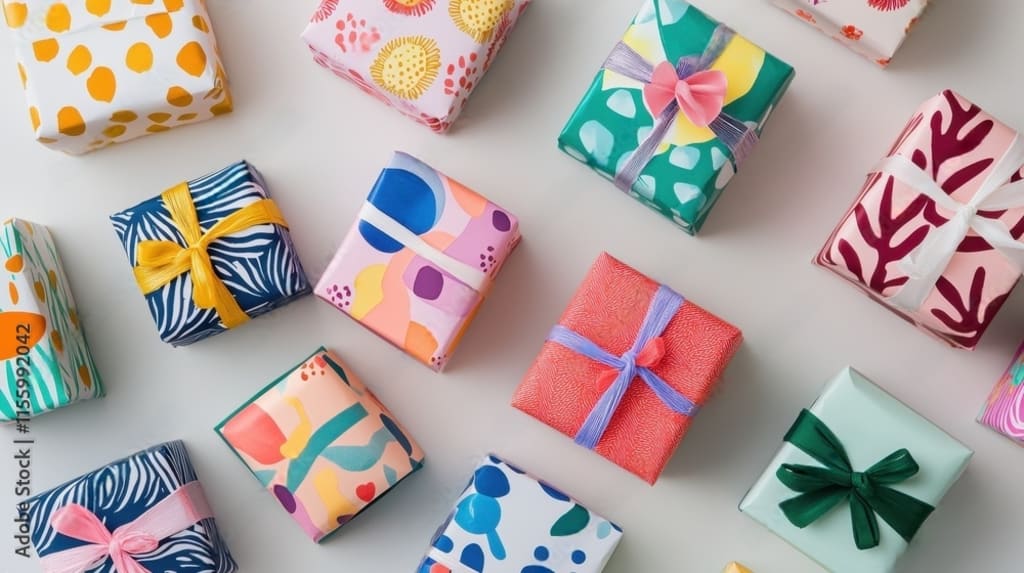
Gift-giving is a timeless tradition that transcends cultures, generations, and borders. From birthdays and weddings to religious holidays and spontaneous surprises, gifts have long been a powerful way to express love, gratitude, celebration, and even apology. But beyond the wrapping paper and ribbons lies a deeper meaning—an emotional connection that bonds the giver and the receiver in a unique way.
In this blog post, we’ll dive deep into the world of gifts. We’ll explore the psychology behind gift-giving, different types of gifts, cultural variations, and how to choose the perfect gift for any occasion.
The Meaning Behind a Gift
At its core, a gift is more than just a material object. It’s a message. It says, I’m thinking of you, I value you, I want to make you happy. In many cases, it’s an expression of intangible emotions that can be hard to articulate through words alone.
Psychologists say that giving a gift allows people to build and strengthen social bonds. According to research, the act of giving activates regions of the brain associated with pleasure, social connection, and trust. So in a way, when we give gifts, we’re not just making others feel good—we’re also boosting our own sense of happiness and well-being.
Types of Gifts
There are countless kinds of gifts, and each one serves a different purpose depending on the context, relationship, and occasion. Let’s explore some of the most popular categories:
1. Personal Gifts
These are the most intimate and thoughtful types of gifts. Personal gifts show that the giver has taken the time to think about the recipient’s interests, hobbies, and preferences. These could include custom jewelry, handmade crafts, favorite books, or even a playlist of meaningful songs.
2. Experience Gifts
In recent years, many people have moved away from material items in favor of experience-based gifts. These might include concert tickets, travel vouchers, spa days, or cooking classes. Experience gifts create lasting memories and often bring people closer together.
3. Practical Gifts
Some gifts are meant to make life easier. These might include kitchen appliances, work tools, or tech gadgets. While they might not always be flashy or sentimental, practical gifts are highly appreciated—especially when they address a specific need.
4. Luxury Gifts
Luxury gifts include high-end items like designer handbags, watches, or perfumes. They are often associated with milestones, promotions, or special celebrations. While they can carry a hefty price tag, luxury gifts symbolize admiration and a desire to indulge someone.
5. Homemade Gifts
There’s something extra special about a homemade gift. Whether it's a hand-knitted scarf, a photo album, or a batch of cookies, DIY gifts carry emotional value and show effort and creativity.
6. Surprise Gifts
These are gifts given without a specific occasion, often as a spontaneous act of kindness or affection. Surprise gifts can be small but impactful, such as flowers delivered to someone’s workplace or a favorite snack left on a friend’s doorstep.
Cultural Differences in Gift-Giving
Gift-giving customs vary widely around the world, and understanding cultural nuances can help avoid unintended offense.
Japan
In Japanese culture, the presentation of the gift is just as important as the gift itself. Gifts are often wrapped with great care, and there’s a strong emphasis on politeness and reciprocity. It’s customary to refuse a gift once or twice before accepting it to show humility.
India
Gift-giving in India is often tied to religious festivals like Diwali and Raksha Bandhan. When giving gifts, it's considered respectful to use the right hand or both hands and avoid wrapping gifts in white or black, which are associated with mourning.
Middle East
Hospitality is highly valued, and giving gifts as a guest is common. However, giving alcohol is generally discouraged due to religious beliefs. Gifts should be modest and tasteful.
Western Countries
In the West, gift-giving is most common during birthdays, anniversaries, weddings, and holidays like Christmas. The focus is often on thoughtfulness rather than the price, and regifting is usually frowned upon unless done discreetly.
How to Choose the Perfect Gift
Choosing the right gift can feel overwhelming, especially when you're trying to impress or surprise someone. Here are some tips to guide you:
1. Know the Recipient
Start by thinking about their hobbies, interests, or needs. Do they love cooking? Are they into fitness? Do they have a favorite band or artist? A personalized gift that reflects their personality will always feel special.
2. Consider the Occasion
The nature of the event matters. A wedding gift will be very different from a birthday present or a baby shower gift. Let the occasion guide your choices.
3. Mind Your Budget
It’s not about how much you spend—it’s about the thought behind it. A heartfelt letter or a handmade gift can be more meaningful than an expensive item.
4. Add a Personal Touch
A handwritten note or custom engraving can elevate even a simple gift. Small gestures of personalization show effort and thoughtfulness.
5. Pay Attention to Hints
People often drop hints without even realizing it. Maybe they’ve been eyeing a particular item or talking about something they need. Being observant can help you find the perfect match.
The Psychology of Giving
Why do people feel so good when giving gifts?
Research shows that the act of giving stimulates the brain’s reward centers. It triggers the release of dopamine, the "feel-good" chemical, and even promotes oxytocin, often called the love hormone. Giving also nurtures a sense of purpose and fosters stronger social bonds.
Interestingly, studies have shown that people who give regularly tend to be happier, healthier, and live longer. This is especially true when gifts are given selflessly, without the expectation of something in return.
When Gifts Go Wrong
Not all gifts hit the mark, and that's okay. Sometimes a well-meaning gift might be misinterpreted, or the recipient may not like it. Here are a few things to avoid:
Being Too Generic: A gift card can feel impersonal if it’s not tailored to the recipient.
Overstepping Boundaries: Gifting personal care items like deodorant or weight loss products can send the wrong message.
Forgetting the Presentation: A beautifully wrapped gift creates excitement and anticipation, while a poorly presented one can feel like an afterthought.
Giving with Strings Attached: A true gift is given freely. Expecting something in return can diminish its value.
Gifts as a Language of Love
According to Dr. Gary Chapman’s book The 5 Love Languages, gift-giving is one of the primary ways people express and receive love. For some, receiving a thoughtful gift is the ultimate sign of affection. It’s not about materialism—it’s about feeling seen, cherished, and remembered.
Understanding your partner’s or friend’s love language can help you choose gifts that truly resonate with them.
Conclusion: The True Power of Gifts
Gifts are more than just objects—they are symbols of emotion, appreciation, and connection. Whether it's a handmade card, a luxury watch, or a simple smile accompanied by a flower, the essence of gift-giving lies in the intention behind it.
In a world that often moves too fast, taking the time to choose (or create) a meaningful gift can be a powerful act of care. It reminds others that they matter—and sometimes, that's the greatest gift of all.
About the Creator
Giftlaya Gifts
Discover a wide range of personalized and premium gifts with Giftlaya, perfect for birthdays, anniversaries, weddings, baby showers, and more!
📞 Contact: +91 90888 31541
Keep reading
More stories from writers in Blush and other communities.
Aloe Vera in Skin Care
In recent years, the beauty industry has embraced aloe vera, infusing it into an array of skin care products ranging from moisturizers, serums, and masks to soothing gels and ointments. This versatile plant offers a variety of benefits for all skin types.
By Good health to everyone3 days ago in Blush
Ludacris and Nelly draw backlash over bookings at MAGA-coded music festival
Ludacris and Nelly headlining a mostly right-wing event is good for them. It’s also great for the genre of hip hop. The two rap veterans have showcased their talents on other stages. Why can’t they perform for mostly MAGA folks and grab that bag?
By Skyler Saunders6 days ago in Beat




Comments
There are no comments for this story
Be the first to respond and start the conversation.