
Straight Talk: The Pros and Cons of Relaxing Type 4 Hair
Are you wondering whether to relax your hair or not? This guide will help you make an informed decision with pros and cons, examples, and FAQs.


Deciding whether or not to relax your hair is a common question that many women with textured hair face. While some women embrace their natural hair, others may prefer straightened hair. However, before deciding, it is important to consider the pros and cons of hair relaxation. So, hold onto your seats! This ultimate guide is about to spill the tea on why some of us go for the relaxing experience, what's at stake, and the other hot options to get that fierce look.
What is Hair Relaxing?

Have you ever heard of hair relaxing? It's a chemical process that can transform naturally curly or coily hair into a straighter, more manageable style. Here's how it works: a creamy substance called a relaxer, which contains chemicals like sodium hydroxide, ammonium thioglycolate, and sodium thioglycolate, is applied to the hair. These chemicals break down the protein bonds in the hair, resulting in a straighter texture.
Game-Changing Reasons to Consider Hair Relaxing
Let's chat about why some women decide to relax their hair:
- Manageability: Straight hair is typically easier to manage than curly or coily hair, which can be a hassle to detangle and style.
- Social Acceptance: There's this pressure from society to have straight hair because it's seen as more "professional" and "attractive" – we know it's unfair! But that pressure can still influence a person's decision to relax their hair.
- Length Retention: It's less likely to break or get damaged, which helps with length retention. Let me explain before you chop my head off. Hair that is naturally curly or coily can be prone to breakage and damage because of tangling and friction. By chemically relaxing the hair, it becomes straighter and less prone to tangling and friction, resulting in less breakage and damage. So, when hair is healthy and not breaking or getting damaged, it can grow longer over time, which is what I mean by "length retention."
- Personal Preference: let's not forget about personal preference – some people just prefer the look of straight hair and feel more confident rocking it.
Risks of Hair Relaxing

Let's talk about the other side of hair relaxing: the potential risks. While it can work wonders for some, there are some risks to consider.
- Hair Damage: The chemicals in relaxers can be pretty harsh and cause damage, leading to breakage, dryness, and thinning.
- Scalp Irritation: The scalp isn't immune either - relaxers can cause itching, burning, and sometimes even blisters or scabs in more severe cases.
- Health Risks: The chemicals in relaxers can be harmful if they come into contact with the skin, eyes, or mouth, so it's important to be careful and follow the instructions.
Alternative Methods to Achieve the Desired Look
- Heat Styling: Using a flat iron or blow dryer to straighten the hair can provide a temporary straight look without using chemicals. You can use a flat iron to straighten your hair for a sleek and smooth look or a blow dryer with a round brush to achieve a straighter blowout.
- Protective Styles: Wearing protective styles such as braids or twists can help to stretch the hair and provide a straighter appearance. Box braids or Senegalese twists are popular protective styles that help protect and retain length.
- Natural Products: Natural products can help to loosen curls and provide a straighter look without causing damage to the hair. For example, aloe vera is pretty amazing because you can incorporate it into almost any natural hair care routine. It has so many benefits for your hair that it's worth adding in any form you prefer, such as a hair gel, raw or processed.
How to Decide Whether to Relax Your Hair
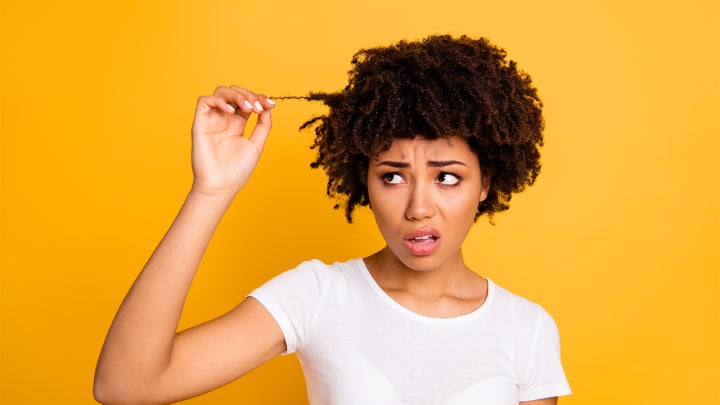
When it comes to deciding whether to relax your hair, it's all about what works best for you. Here are a few things to think about:
- Your hair type: This can affect how well the relaxer works and how much damage it might cause. For instance, if you have fine hair, a relaxer might cause more harm than if you have thicker, coarser hair.
- The condition of your hair: If your hair is already damaged or prone to breakage, a relaxer is not the best idea.
- Your lifestyle: If you love to swim or work out a lot, keeping your hair straightened might be challenging because sweat and water can make it revert to its natural texture. With relaxed hair, you won't have that issue.
- Your budget: Relaxing your hair can be costly in terms of money and time. It's important to consider how much you're willing to spend and how often you'll need touch-ups.
- Your personal preference: At the end of the day, it's your hair, and you should do what makes you feel good. If you love the look of straightened hair and it boosts your confidence, go for it! But if you're not sure, take some time to think it over and decide what's best for you.
When it comes to relaxing or not relaxing your hair, it's really up to you and what works best for you. Sure, hair relaxing can make your hair more manageable and help retain length, but it also comes with potential risks like hair damage and scalp irritation.
Don't worry, though. You can try alternative methods that don't involve chemicals, like heat styling, or protective styles, such as braids or twists. You can also opt for natural products like aloe vera or coconut oil to loosen and protect your curls and achieve a straighter look. In the end, it's important to do what makes you feel confident and comfortable with your hair.
Remember: My Head, My Hair, My Choice
FAQ
But that's not all. I'm here to help answer some common questions you may have about hair relaxing. Let's dive in.
Can I relax my hair at home?
No, it's not recommended to do it yourself because relaxers contain chemicals that can be dangerous if not used correctly. It's better to leave it to a professional stylist.
How often should I relax my hair?
The frequency of relaxing your hair depends on how fast your hair grows and its texture. Experts usually recommend waiting for at least 8-12 weeks between applications to prevent hair damage.
Can I color my hair after relaxing it?
It's best to wait two weeks after relaxing your hair before coloring it because the chemicals in relaxers make hair more porous and prone to damage.
Is hair relaxing permanent?
No, hair relaxing is not permanent. You need to touch it up every 8-12 weeks to keep the straightened look.
Can I reverse hair relaxing?
No, you can't reverse the effects of hair relaxing. However, the relaxed hair will eventually grow out as new hair grows in. During this transition period, taking proper care of your hair is essential to prevent breakage and damage.
Disclaimer: I am not a licensed hair stylist, and the information presented in this blog post is based on my personal experience and research. It is always recommended to consult with a professional stylist before making any changes to your hair care routine.
Related Posts
Disclosure: Some of the links in this post are Amazon affiliate links, which means I earn a small commission if you make a purchase through them
About the Creator
Keep reading
More stories from Zuleika Boekhoudt and writers in Blush and other communities.
6 DIY Hair Masks for Type 4 Hair: Moisturize and Nourish Your Curls Naturally
Hey there, type 4 hair Queens! If you're tired of wasting money on hair products that promise the world but don't deliver the results you want, we've got you covered. I've put together six easy and natural DIY hair masks designed to promote moisture retention, growth, and thickness for your type 4 hair. Managing your gorgeous curls can be a challenge, but with these tips and homemade hair masks, you'll be rocking healthy curls in no time. Let's dive in!
By Zuleika Boekhoudt3 years ago in Blush
Best Cleansing Balms for All Skin Types: Benefits, Ingredients & How to Use
In the world of skincare, few steps feel as indulgent yet essential as the first cleanse. Gone are the days of tugging at delicate lashes with stinging liquids or stripping the skin bare with harsh soaps. Enter the cleansing balm: a luxurious, buttery revelation that has transformed the way we approach facial hygiene.
By Good health to everyone4 days ago in Blush
If You Love Me, You'll Do It
I met Jason when I was five years old. I could say that I loved him from the moment I saw him. He was so handsome to me and I felt in awe by his presence. When they introduced him as the new kid in school, I wanted to be his friend right away. I remember it like it was yesterday. I remember his smile and how he didn't seem shy. He appeared confident and ready to learn. I waved at him and said "hello," before anyone else could even say a word. He sat next to me, and I asked him if he wanted to be friends. He looked so happy as he said, "Yes!"
By Sidney Smith (Sid Smith)6 days ago in Fiction


Comments
There are no comments for this story
Be the first to respond and start the conversation.