
Skin-tilating Skincare
5 Commonsense Routines for Acne-Prone skin with Product Recommendation
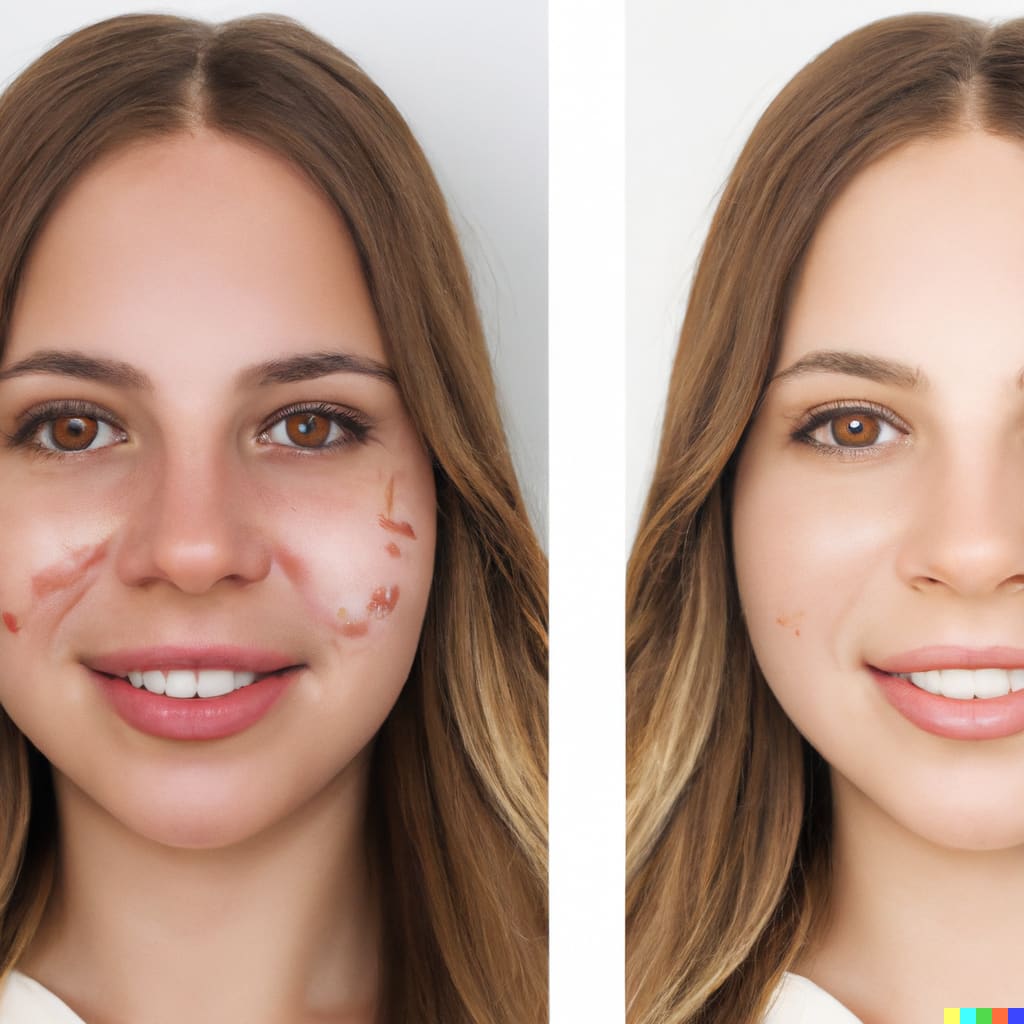
8 Steps to Take for Acne-Prone Skin with Product Recommendations
Acne is a common skin condition that can cause a range of symptoms, including blackheads, whiteheads, pimples, and cysts. While it's most commonly associated with puberty, acne can affect people of all ages and skin types. If you have acne-prone skin, it's important to take a multi-step approach to managing your skin. In this article, we'll explore eight steps you can take to help clear up your acne and achieve healthy, radiant skin.
1.Cleanse Regularly with a Gentle Cleanser
Cleansing your skin is the first step in your acne-fighting routine. It's important to choose a gentle, non-comedogenic cleanser that won't strip your skin of its natural oils or irritate your skin. Avoid using harsh soaps or scrubs, which can make acne worse.
Product Recommendation: La Roche-Posay Effaclar Medicated Gel Cleanser
2.Use a Toner
Toning helps to remove any remaining impurities and balance your skin's pH. If you have acne-prone skin, look for a toner that contains salicylic acid or witch hazel, which can help to unclog pores and reduce inflammation.
Product Recommendation: Thayers Witch Hazel Toner
3.Exfoliate Regularly
Exfoliating helps to remove dead skin cells and unclog pores, which can contribute to the formation of acne. Look for a gentle, non-abrasive exfoliator that is appropriate for your skin type and use it once or twice a week, depending on your skin's tolerance.
Product Recommendation: Paula's Choice Skin Perfecting 2% BHA Liquid Exfoliant
4Moisturize Daily
Moisturizing is important for keeping your skin hydrated and preventing dryness, which can make acne worse. Look for a non-comedogenic moisturizer that is appropriate for your skin type and apply it daily, after cleansing and toning.
Product Recommendation: Cetaphil Dermacontrol Moisturizer SPF 30
5.Use a Spot Treatment
A spot treatment is a product that you apply directly to individual pimples or breakouts. Spot treatments can help to reduce inflammation, unclog pores, and kill bacteria, which can all contribute to the development of acne.
Product Recommendation: Clean & Clear Advantage Acne Spot Treatment
6.Incorporate Retinoids into Your Routine
Retinoids are a type of Vitamin A derivative that are often used to treat acne. They help to unclog pores, remove dead skin cells, and reduce inflammation. Retinoids can be found in both over-the-counter and prescription acne products. If you have sensitive skin, it's important to start with a lower strength retinoid and gradually increase it as your skin becomes acclimated.
Product Recommendation: Differin Gel
7.Use Sun Protection
The sun's harmful UV rays can contribute to the development of acne and make existing acne worse. It's important to use a non-comedogenic sun protection product that is appropriate for your skin type and to apply it daily, even on cloudy days.
Product Recommendation: Neutrogena Clear Face Liquid Lotion Sunscreen SPF 55
8.Talk to a Dermatologist
If your acne is severe, persistent, or causing significant distress, it may be necessary to see a dermatologist. A dermatologist can assess your skin, prescribe medications if needed, and provide additionalrecommendations for managing your acne. They may also be able to perform procedures such as light therapy, chemical peels, or extractions to help clear up your acne.
In conclusion, managing acne-prone skin requires a multi-step approach that includes regular cleansing, toning, exfoliating, moisturizing, and using a spot treatment. Incorporating retinoids into your routine and using sun protection can also help to improve the appearance of acne-prone skin. If your acne is severe or persistent, it's important to talk to a dermatologist for additional guidance and support. By following these steps and using the recommended products, you can help to achieve clear, radiant skin and feel confident and beautiful.
About the Creator
Keep reading
More stories from writers in Blush and other communities.
Aloe Vera in Skin Care
In recent years, the beauty industry has embraced aloe vera, infusing it into an array of skin care products ranging from moisturizers, serums, and masks to soothing gels and ointments. This versatile plant offers a variety of benefits for all skin types.
By Good health to everyonea day ago in Blush
Wild Card Weekend Recap: What Happens Now?
I think I figured out why I love Wild Card Weekend so much. It's because it's the first playoff anything of the calendar year. The NFL season starts in the fall, and once upon a time, the champion was crowned either on or slightly before New Year's. The evolution of the NFL schedule has resulted in the playoffs starting just into the New Year, and currently, the final week of the season falls on the first weekend of the New Year, with Wild Card Weekend coming a week after that. So yes, chronologically, the NFL's Wild Card Weekend serves as the first playoff anything of the calendar year.
By Clyde E. Dawkins6 days ago in Unbalanced




Comments
There are no comments for this story
Be the first to respond and start the conversation.