
Skin Needling for Pigmentation and Uneven Tone in Hobart
Pigmentation reduction with Micro Needling

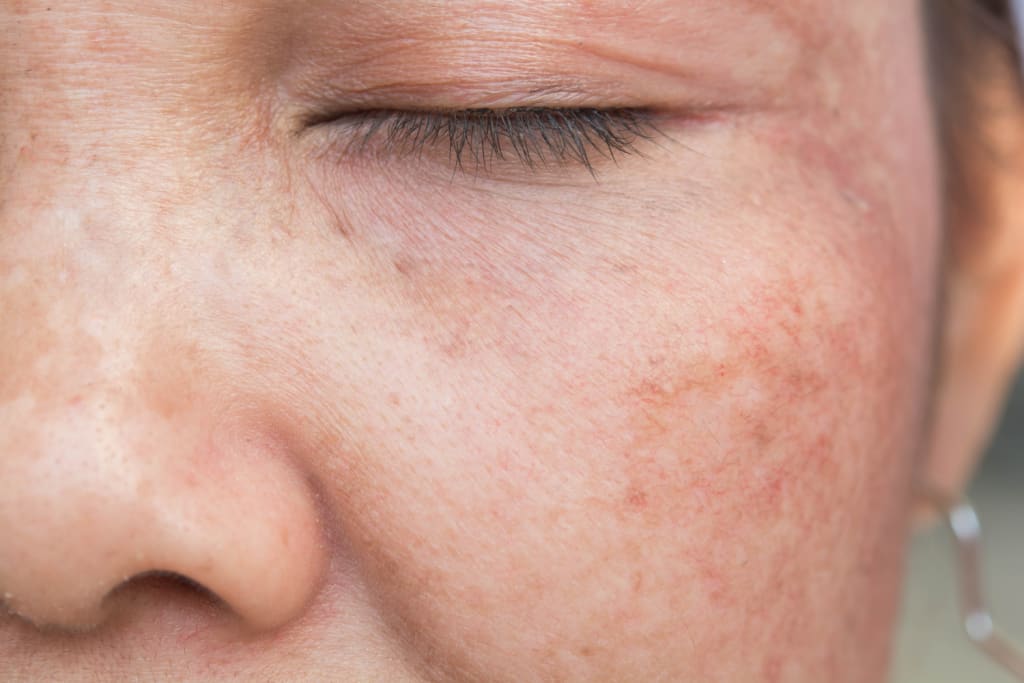
Pigmentation is one of the most common reasons clients seek skin treatment. It appears in many forms, from sun spots and freckles to post-inflammatory marks and melasma. In Hobart, environmental exposure and changing hormones make uneven tone a regular concern. Skin needling, or microneedling, offers a controlled, medical option to support skin clarity and reduce visible pigment.
This treatment does not bleach or strip skin. Instead, it improves pigment distribution through cell turnover, collagen production, and strengthened barrier function. With repeated sessions, many clients see smoother, brighter skin and less patchiness without downtime or harsh chemicals.
What Causes Pigmentation in Hobart Clients
Pigment forms when melanocytes—cells responsible for skin colour—produce excess melanin. This can occur after UV exposure, inflammation, acne, or hormonal shifts such as pregnancy or contraceptive use. In Hobart, seasonal sun and outdoor lifestyles increase the chance of developing pigmentation, even with SPF use.
Hyperpigmentation often worsens over time. It becomes more stubborn as melanin settles into deeper layers of the skin. Early treatment gives the best outcomes, but even long-term pigmentation can improve with the right care.
How Microneedling Targets Uneven Tone
Microneedling creates micro-injuries across the skin surface. These small channels trigger repair processes that include cell renewal, collagen stimulation, and redistribution of pigment. New skin forms as the body heals, gradually replacing dull or uneven patches with smoother, more uniform tone.
This is not a quick fix, but it’s effective. With repeated treatments, pigment appears lighter, and the overall skin surface becomes clearer and more even. Unlike peels or lasers, microneedling works without removing surface layers, making it gentler for sensitive or reactive skin.
Microneedling also supports better penetration of pigment-reducing serums, such as vitamin C or doctor-prescribed compounds. These are often applied after the session to make the most of the open micro-channels.
Types of Pigmentation That Respond to Skin Needling
Not all pigment is the same. Microneedling works best for post-inflammatory hyperpigmentation (PIH), sun spots, and uneven tone from ageing or dullness. These conditions respond well to collagen support and increased skin turnover.
Hormonal pigmentation, such as melasma, requires more care. It can worsen with inflammation or heat. At Heart Aesthetics Hobart, we assess melasma risk before recommending microneedling. In some cases, a pre-treatment plan with pigment inhibitors is required. Others may be referred for dermatological input.
Freckles and congenital pigment are unlikely to change much. The goal with microneedling is not to erase freckles, but to improve skin clarity and reduce contrast between affected and unaffected areas.
Medical Safety and Pre-Treatment Planning
Pigment concerns should always be assessed in a medical setting. Some dark spots are harmless, but others may need monitoring or biopsy. At Heart Aesthetics Hobart, we screen for medical red flags before beginning treatment. Skin that is unstable, inflamed, or suspicious in appearance will not be treated until cleared.
Clients with darker skin types may also need a tailored approach to reduce the risk of post-inflammatory pigmentation. Microneedling can be safe across many skin tones, but it requires skill, product knowledge, and a conservative approach.
A pre-treatment plan may include pigment-stabilising products, SPF, and barrier repair to support better outcomes. Treatment is paused during active breakouts or flare-ups.
Aftercare and Sun Protection in Hobart’s Climate
Microneedling increases skin sensitivity in the days after treatment. Sun exposure during this window can reverse the benefits or cause rebound pigmentation. That’s why post-care always includes strict SPF and physical sun avoidance for at least five days.
In Hobart, where UV can be high even in cooler months, we recommend SPF 50+ and wide-brimmed hats for those outdoors regularly. Aftercare also includes gentle cleansing, moisturiser, and no active skincare until healing is complete.
Clients who commit to SPF and follow post-care advice tend to have the best results. Pigment fades more predictably, and long-term skin quality improves.
Microneedling vs Other Pigment Treatments
Chemical peels, lasers, and prescription creams can also target pigment. Each has its place. Microneedling stands out by improving tone without removing skin layers or causing downtime.
Peels work by chemically exfoliating the surface. Lasers use light to break up melanin. Microneedling works by improving skin structure and renewal from within. It suits clients who want a gentle but effective method that supports the skin rather than stressing it.
In some cases, microneedling is combined with topical pigment inhibitors or light-based treatments for faster improvement. At Heart Aesthetics Hobart, we personalise the plan to the client’s skin, goals, and tolerance.
When to Start Treatment and What to Expect
The best time to begin microneedling for pigmentation is autumn or winter. These cooler months reduce UV exposure and make post-treatment care easier. Hobart clients often book their first session between March and September.
Most start with three sessions spaced four to six weeks apart. Each treatment builds on the last. Results start with brighter tone and progress to reduced patchiness and smoother surface texture.
Ongoing care may include maintenance treatments every three to six months, depending on pigment depth and client goals. Sunscreen remains essential year-round.
Why Hobart Clients Choose Medical Skin Needling for Pigment
Clients want real results without unnecessary risk. Skin needling done in a medical clinic offers both. It uses sterile, TGA-listed devices under clinical oversight. Treatments are done by trained nurses, not beauty therapists, and include consultation, aftercare, and follow-up.
At Heart Aesthetics Hobart, we treat skin with respect. Pigmentation takes time to change. Our goal is to support your skin safely and steadily, without harsh procedures or over-promising.
For clients with uneven tone, visible sun damage, or stubborn marks after acne, microneedling offers a path forward. Not instant, but effective, and rooted in skin science that respects how the body heals itself.
About the Creator
The Subtle Lift
Exploring the science, trends, and truths behind skin treatments in Australia — from wrinkle relaxers to skin needling. Unbiased insights, researched content, and real-world tips for those navigating the world of non-surgical aesthetics.
Keep reading
More stories from The Subtle Lift and writers in Blush and other communities.
Anti-Ageing Skin Needling Treatments in Hobart
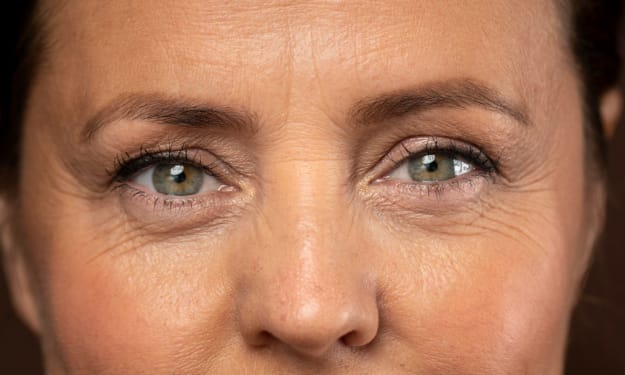
Ageing changes the skin in ways that creams can’t always correct. Fine lines form around the eyes and mouth, elasticity reduces, and skin becomes thinner or more textured over time. In Hobart, where the climate swings between dry air, wind, and UV exposure, these signs can appear earlier than expected. Skin needling offers a non-surgical, medical option to support firmness, smooth texture, and improve the overall look of ageing skin. It does this without adding volume, affecting facial expression, or involving filler.
By The Subtle Lift10 months ago in Blush
Type of Support Required For Mental Health Of celebrities
The lives of celebrities are often viewed through the lens of glamor, fame, and fortune, but beneath the surface, many face challenges related to mental health that go unnoticed or unaddressed. The pressures of constant public scrutiny, overwhelming work schedules, and personal sacrifices can take a significant toll on their emotional well-being. As a result, maintaining mental health for celebrities requires a multifaceted approach, involving various types of support systems and coping mechanisms. In this article, we will explore the different types of support that are crucial for preserving the mental health of celebrities, ensuring they can navigate the demanding world of fame while fostering personal well-being.
By Ibrahim Shah 7 days ago in Blush
How to Use a Sugar Scrub the Right Way for Softer, Smoother Skin
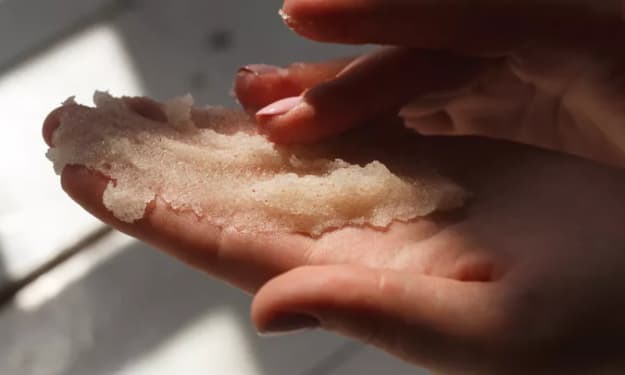
In This Article ✅What Is a Sugar Scrub? ✅How to Properly Use a Sugar Scrub Your shower routine probably has all the basics covered: shampoo, conditioner, and sudsy body wash. But a fourth addition to this regimen—a good old fashioned sugar scrub—can make all the difference both in terms of your skin’s hydration and overall glow factor. With insights from a seasoned skincare pro, we’re diving into what sugar scrubs are and why they’re an absolute shower must, plus a quick rundown on how to properly use a sugar scrub.
By Good health to everyone4 days ago in Blush


Comments