
Say Goodbye to Acne Forever: The Ultimate Guide to Clear, Glowing Skin
Get Rid of Your Acnes
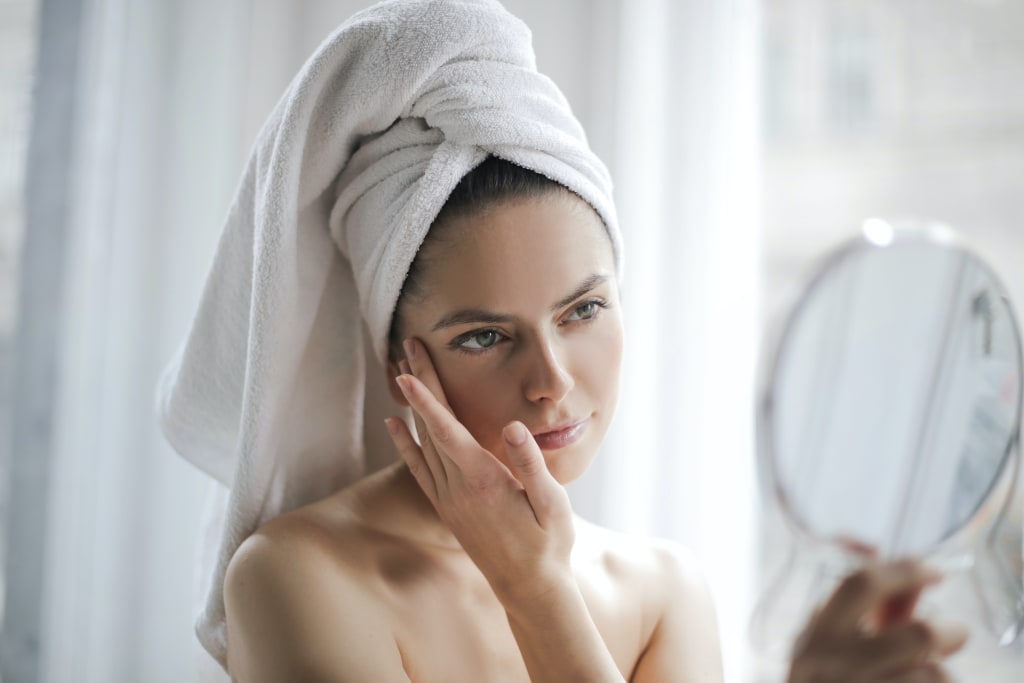
Acne is a common skin condition that affects millions of people worldwide. It can cause inflammation, redness, and breakouts that can be difficult to get rid of. While there are many products and treatments available on the market, it can be overwhelming to know where to start. In this article, we will provide you with a comprehensive guide to getting rid of acne once and for all.
Acne is most common during puberty and affects a large percentage of teenagers and young adults. Acne typically starts to appear between the ages of 11 and 13 and can continue into the late teens, early twenties, and even into the thirties for some individuals. However, acne can occur at any age and is not limited to just teenagers.
Identify the cause of your acne
Before you can effectively treat your acne, it's important to identify what's causing it in the first place. Some common causes of acne include hormonal changes, stress, genetics, and diet. By understanding what's causing your acne, you can better target your treatment and make lifestyle changes that will help you achieve clearer skin.
Cleanse your skin regularly
One of the most important steps in getting rid of acne is to keep your skin clean. Wash your face twice a day with a gentle, non-comedogenic cleanser that's free of harsh chemicals and fragrances. Avoid using hot water, as it can strip the skin of its natural oils and exacerbate acne.
(CLICK HERE FOR THE BEST PRODUCT TO CLEANING)
Exfoliating your skin helps to remove dead skin cells that can clog your pores and cause breakouts. Choose a gentle exfoliator that's appropriate for your skin type and use it no more than twice a week. Over-exfoliating can damage your skin and make your acne worse.
Use non-comedogenic products
Many skin care products contain ingredients that can clog your pores and trigger breakouts. Look for products that are labeled as "non-comedogenic" or "oil-free" to avoid this problem. Pay special attention to moisturizers, as they can be particularly heavy and contribute to acne.
Try a topical acne treatment
There are many topical acne treatments available that can help to clear your skin. Look for products that contain benzoyl peroxide, salicylic acid, or alpha-hydroxy acids, as these ingredients have been proven to be effective in treating acne. Follow the instructions carefully and start with a lower concentration if you have sensitive skin.
Consider a prescription medication
If your acne is severe or persistent, you may want to consider a prescription medication. Your dermatologist can recommend the best option for you, such as topical retinoids, antibiotics, or hormonal therapies.
Improve your diet and lifestyle
Diet and lifestyle can also play a role in the development of acne. Try to eat a healthy, balanced diet that's low in processed foods and high in fresh fruits and vegetables. Reduce stress by practicing relaxation techniques such as yoga or meditation, and get plenty of sleep each night.
By following these tips, you can effectively get rid of acne and achieve clear, glowing skin. Remember to be patient, as it may take several weeks or even months to see significant improvement. If your acne is persistent or severe, be sure to consult with a dermatologist who can recommend the best course of treatment for you.
Squeezing acne can be harmful and can lead to various skin problems. Some reasons why you shouldn't squeeze acne include:
Spread of bacteria: Squeezing acne can push bacteria deeper into the skin, causing more pimples to develop and increasing the risk of infection.
Scarring: Squeezing acne can cause the skin to become damaged, leading to scarring. This can result in permanent marks on the skin that can be difficult to remove.
Irritation: Squeezing acne can irritate the skin, causing redness, swelling, and pain.
Discoloration: Squeezing acne can cause the surrounding skin to become discolored, leading to dark spots or marks on the skin that can be difficult to remove.
Worsening of acne: Squeezing acne can make the condition worse, as it can trigger an inflammatory response and cause new pimples to form.
In general, it's best to avoid squeezing acne and to seek treatment from a dermatologist instead. They can recommend a suitable acne treatment plan that will help to reduce the appearance of acne and prevent scarring.
About the Creator
Hand-Tied vs. Machine Wefts: The Ultimate Guide to Choosing Your Perfect Extensions
In the world of professional hair extensions, "wefts" are the gold standard for adding significant length and volume. However, the choice between Hand-Tied Wefts and Machine Wefts often leaves clients—and even some stylists—uncertain.
By Emma Smith3 days ago in Blush



Comments
There are no comments for this story
Be the first to respond and start the conversation.