
Non-Surgical Aesthetics
Why Australia’s Wellness Investors Are Taking Notice

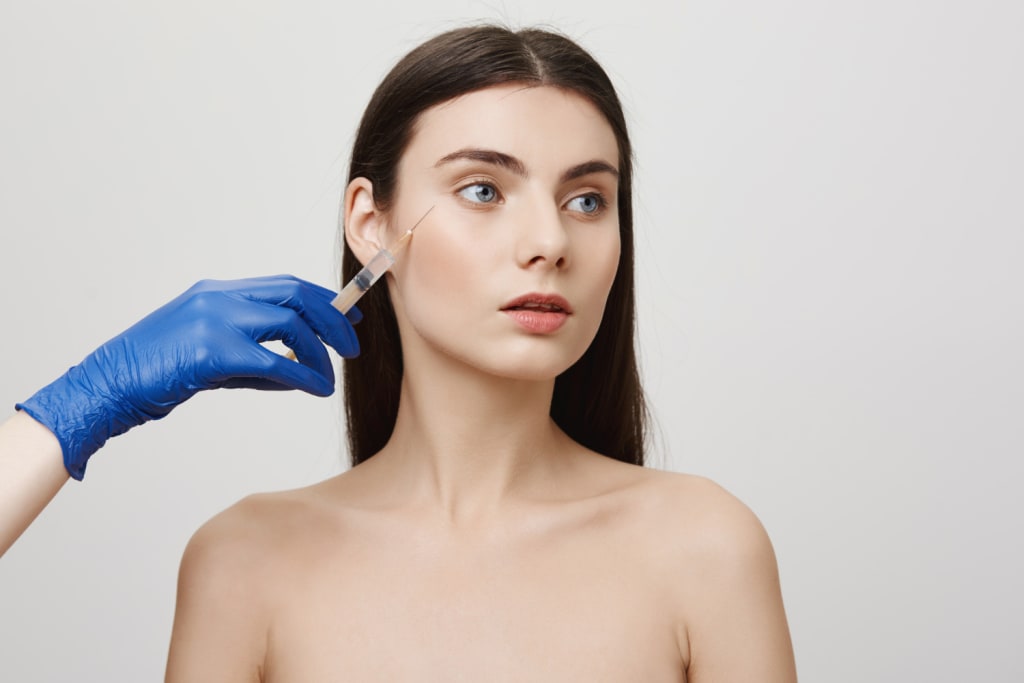
Australia’s health and wellness market has entered a transformative era. Once defined by surgical interventions and slow-moving consumer cycles, the sector is now being reshaped by a surging demand for non-surgical cosmetic treatments. These services—ranging from injectable maintenance to high-tech skin rejuvenation—are attracting not only loyal clients but also sharp-eyed investors. As the cosmetic space merges increasingly with mainstream healthcare, clinics across the country, particularly in regional centres like Hobart, are proving that patient satisfaction and steady financial performance can go hand in hand.
A Consumer Shift: From Restoration to Prevention
Traditional cosmetic surgery once dominated the public’s view of aesthetic intervention. However, the past decade has seen a major shift in consumer preferences. Rather than waiting for signs of ageing to fully emerge, Australians—particularly younger adults—are choosing early, minimally invasive treatments to slow visible ageing before it intensifies.
This movement, known as “prejuvenation,” now drives a substantial share of the aesthetic economy. Instead of seeking dramatic transformations, today’s clients are focused on gradual enhancements that preserve facial harmony and skin quality. Treatments like anti-wrinkle injections, skin needling, and energy-based skin tightening offer subtle improvements with minimal disruption to daily life.
Importantly, this change also redefines how the sector is valued. The shift away from one-off surgeries toward regular, ongoing services creates more stable, recurring revenue—a trend that mirrors consumer behaviour in other healthcare domains, like dental hygiene or optometry.
Local Clinics Are Emerging as Healthcare Micro-Hubs
What once required a visit to major city centres is now being delivered in smaller, localised clinics with professional standards and cutting-edge technology. In locations like Hobart, well-run aesthetic practices are no longer side-line operations—they're viewed as community healthcare hubs, particularly when run by registered nurses or medically qualified teams.
Regional clinics are often perceived as more approachable and community-focused than their big-city counterparts. Lower overheads, greater flexibility in service delivery, and the ability to respond swiftly to patient needs allow these businesses to offer excellent client care without compromising financial efficiency.
Moreover, such clinics fill a gap in service accessibility. Where once clients in regional areas had to travel interstate for skin therapy or injectables, they can now access treatments safely, legally, and locally. This not only improves patient satisfaction—it strengthens the long-term health of the business.
Technology Is Changing the Game
Technological advancement has played a central role in the rise of non-invasive treatments. Today’s cosmetic tools are more precise, more adaptable, and more user-friendly than ever before. Devices such as RF microneedling systems, Tixel thermal platforms, and cryo-based comfort tools like ExoCool are making it possible for nurses to deliver previously specialist-only procedures safely and effectively.
Additionally, these technologies favour practices with a lean staffing model. Because many of them are suitable for nurse-led clinics under Australian regulations, businesses can offer advanced services without the administrative and financial weight of having a full-time surgeon or specialist in-house. That means shorter treatment times, faster recovery, and a more scalable business model.
From the client’s perspective, these innovations translate to less downtime and more natural-looking results. In today’s culture of discretion, many clients prefer subtle enhancements over dramatic changes—making gradual, technology-driven treatments the clear choice.
The Normalisation of Cosmetic Maintenance
What was once considered a luxury has now entered the realm of routine care. Anti-wrinkle injections, skin hydration boosters, and texture treatments are no longer reserved for the wealthy or famous. Instead, they’re increasingly seen as part of self-care for a growing demographic that values presentation, confidence, and agency over appearance.
This trend is especially evident in clinics that prioritise comfort, transparency, and education. Heart Aesthetics Hobart, for example, exemplifies the transition to medical-grade cosmetic care delivered in an approachable, patient-focused environment. With its emphasis on ethical consultation and continuity of care, the clinic reflects how aesthetic services can align with overall wellness strategies.
The broader implication for the industry? As services become more integrated into regular health routines, retention increases. Repeat treatments every three to six months mean that revenue becomes reliable, patient relationships deepen, and operational forecasts improve.
Regulation as a Competitive Advantage
In Australia, cosmetic procedures are heavily regulated—and that’s a good thing. Rather than stifling growth, these safeguards foster public trust, particularly among first-time clients. Clinics must comply with rules set by AHPRA and the TGA, ensuring that only qualified professionals perform treatments, that consent is properly obtained, and that advertising avoids misleading claims.
This compliance-focused environment rewards ethical operators. Clinics that adhere to best practice guidelines, avoid exaggerated marketing, and provide clear risk disclosures tend to build stronger client loyalty and face fewer complaints or legal threats.
From an investment perspective, the presence of regulatory oversight helps stabilise the market. High compliance becomes a mark of reliability, especially when clinics can demonstrate adherence through documentation, protocols, and practitioner credentials.
Aesthetic Care as Mental Health Support
Beyond surface-level outcomes, there’s growing evidence that cosmetic care supports psychological wellbeing. Many clients report increased confidence, reduced social anxiety, or a sense of renewed control following treatments. These effects—though subjective—are widely reported and meaningful in terms of quality of life.
As public narratives evolve, aesthetic care is no longer framed solely around vanity. It’s increasingly viewed as a component of personal empowerment and professional confidence, particularly for individuals managing career transitions, ageing, or life stressors.
When clinics adopt a therapeutic framing—linking appearance with holistic wellbeing—they appeal not just to image-conscious clients but to health-conscious ones. This widens the consumer base and positions the clinic as a trusted service provider within a broader mental health and wellness ecosystem.
Building Long-Term Success Through Client Experience
While technology may get clients through the door, service is what keeps them coming back. Clinics that deliver detailed consultations, personalised aftercare, and consistent follow-up are outperforming those focused purely on machinery or rapid throughput.
In fact, the modern cosmetic client expects much more than good results. They want to understand their options, see realistic before-and-after photos, and feel confident in their provider's qualifications. Education has become part of the treatment itself.
Heart Aesthetics Hobart exemplifies this shift. The clinic incorporates patient education at every stage—using visuals, plain-language explanations, and realistic outcome planning. This approach not only empowers clients but also improves satisfaction and reduces the likelihood of post-treatment concerns or complaints.
Cross-Sector Partnerships Are Expanding Reach
One of the most interesting developments in the aesthetic sector is the growing collaboration between cosmetic clinics and allied health professionals. Nurses are working alongside GPs, physiotherapists, and psychologists to co-manage cases where appearance impacts wellbeing—such as facial scarring, post-surgical care, or trauma-related skin conditions.
These collaborations don’t just expand treatment possibilities—they build credibility. When a GP or allied health provider refers a patient to a cosmetic clinic, it signals clinical legitimacy. Likewise, when a cosmetic nurse refers a client back to a medical provider for follow-up or unrelated health concerns, it closes the loop on holistic care.
From a business perspective, this builds referral networks, supports continuity of care, and improves patient outcomes—all while reinforcing trust in the clinic as a genuine health partner, not a luxury indulgence.
Educated Consumers Demand More—And That’s a Good Thing
Today’s clients are proactive, informed, and skeptical of superficial marketing. They research ingredients, read peer-reviewed studies, and check AHPRA registrations before booking. This consumer sophistication raises the bar—but also rewards providers who are genuinely committed to transparency and quality.
Consultations now often include interactive tools, digital skin analysis, and evidence-based treatment recommendations. The baseline expectation is no longer friendliness or price—it’s professionalism, credibility, and proof.
Clinics that understand this shift—and design their services accordingly—can achieve better retention, more referrals, and fewer complaints. In fact, transparency itself becomes a marketing tool. When a client feels safe, informed, and respected, they become advocates. And that, in the long term, is worth more than any billboard or social media campaign.
Final Thoughts: Cosmetic Clinics as the Next Frontier in Wellness
The growth of non-surgical cosmetic treatments is not a passing trend. It reflects a fundamental redefinition of how Australians view health, self-care, and personal investment. The clinics rising to meet this demand aren’t just offering smoother skin—they’re offering confidence, choice, and a regulated path to aesthetic autonomy.
As the market matures, the emphasis will shift even further toward client experience, evidence-based care, and ethical business models. The most successful clinics will be those that combine technology with trust, marketing with medical rigour, and beauty with wellness.
For those observing the sector—whether as consumers, clinicians, or investors—the message is clear: aesthetic care is no longer a side industry. It is a core part of Australia’s wellness future.
About the Creator
The Subtle Lift
Exploring the science, trends, and truths behind skin treatments in Australia — from wrinkle relaxers to skin needling. Unbiased insights, researched content, and real-world tips for those navigating the world of non-surgical aesthetics.
Keep reading
More stories from The Subtle Lift and writers in Blush and other communities.
When Botox Does More Than Smooth Wrinkles
Botox might be best known as the go-to treatment for smoothing facial lines, but its growing therapeutic applications tell a much deeper story. In Australia, and particularly in Hobart, botulinum toxin type A is emerging as a safe, effective solution for various forms of chronic pain and muscular tension. From relieving migraines to reducing shoulder tightness and easing jaw clenching, this versatile treatment is changing the way we manage discomfort—without invasive surgery or ongoing reliance on medication.
By The Subtle Lift9 months ago in Blush
Magazine Dreams: A Powerful Psychological Drama About Obsession, Identity, and the Pursuit of Recognition
In recent years, psychological character studies have become an important part of modern cinema. Films that focus on the inner struggles of individuals often reveal more about human nature than traditional narratives centered on action or spectacle. One such film is Magazine Dreams, a psychological drama written and directed by Elijah Bynum.
By Backlinks Cart2 days ago in Blush
Type of Support Required For Mental Health Of celebrities
The lives of celebrities are often viewed through the lens of glamor, fame, and fortune, but beneath the surface, many face challenges related to mental health that go unnoticed or unaddressed. The pressures of constant public scrutiny, overwhelming work schedules, and personal sacrifices can take a significant toll on their emotional well-being. As a result, maintaining mental health for celebrities requires a multifaceted approach, involving various types of support systems and coping mechanisms. In this article, we will explore the different types of support that are crucial for preserving the mental health of celebrities, ensuring they can navigate the demanding world of fame while fostering personal well-being.
By Ibrahim Shah 3 days ago in Blush



Comments