
My Hairstylist Told Me to Stop Using Conditioner—Here’s What Happened After 6 Weeks
It sounded like bad advice at first—but this bold hair care experiment changed the way I think about moisture, texture, and scalp health

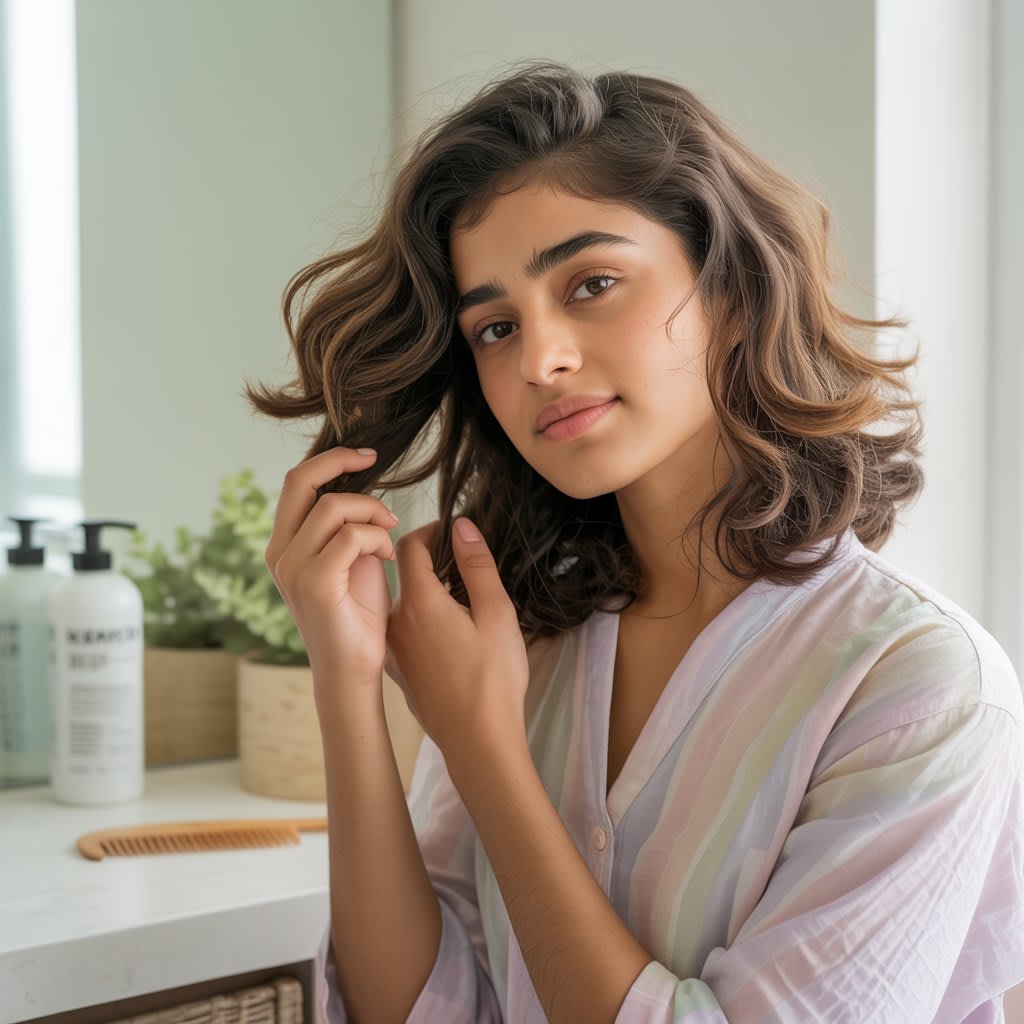
If someone had told me a year ago to stop using conditioner, I would've laughed. Like many, I was raised on the golden rule of haircare: shampoo cleans, conditioner heals. Whether my hair was dry, tangled, or flat, conditioner was the safety net I never questioned. So when my trusted hairstylist looked at my hair and said, “You should stop using conditioner—for a while,” I thought he had lost it
But he hadn’t. He was offering a counterintuitive truth that would change everything about how I approached my hair routine. I took his advice, ditched the conditioner, and replaced it with a new system for six full weeks. What followed was surprising, frustrating at times, but ultimately transformative. If you're someone who's struggling with build-up, scalp issues, or flat lifeless strands, my journey might just inspire you to rethink your own routine
The Advice: No Conditioner, Just Balance
My hairstylist explained that not everyone needs conditioner—especially not after every wash. “You're over-moisturizing your hair,” he told me. “It’s heavy, coated, and your scalp is starting to rebel.” He pointed out the signs: product build-up, greasy roots, frizzy ends, and lack of volume. His solution? Take a break from conditioner completely, switch to gentler cleansers, and allow my scalp to rebalance its natural oils
I was skeptical, but curious. I agreed to try it for six weeks, no shortcuts. My only hair goals? No conditioner, minimal styling, and let nature take its course
Week 1: Dry, Tangled & Panicking
The first few washes without conditioner felt like a nightmare. My hair was dry and tangled after every shower. I struggled to comb through it and had to fight the urge to run back to my creamy, silky rescue bottle. But I reminded myself this was part of the detox. My stylist had warned me that conditioner often masks the real issues underneath, coating the hair instead of fixing the root problems
I used a sulfate-free, lightweight clarifying shampoo, focused on rinsing thoroughly, and applied no leave-ins. It felt extreme—but I was committed
Week 2: The Scalp Speaks
By the second week, I noticed something strange—my scalp was less oily. Usually, I’d feel greasy by day two, but suddenly I could go three days between washes without that heavy, unwashed feeling. My scalp felt calmer, not itchy or irritated like before. It was as if it had finally stopped fighting against over-conditioning and was starting to regulate itself
However, my ends were still a struggle—dry, frizzy, and craving moisture. I used a tiny amount of natural aloe vera gel on the tips, just enough to tame the roughness without cheating the experiment
Week 3: Volume Returns
The third week brought my favorite surprise: volume. My roots had more bounce and lift than I’d seen in months. My hair felt lighter, cleaner, and had a natural movement I didn’t know it could achieve. The layers framed my face better, and even my ponytail looked fuller. Conditioner, it seemed, had been weighing everything down more than helping
Week 4: Texture Makeover
I have naturally wavy hair, but with conditioner, it always fell flat. Now, without the extra coating, my natural texture began to return. The waves looked more defined and less limp. I started air-drying more often and noticed the difference—my strands had spring and shape. It wasn’t perfect, but it felt alive. Even friends started asking if I’d styled my hair differently
I stuck to basic hair oils once a week—argan or almond oil, applied before washing—and used a microfiber towel to dry gently. The improvement was real
Week 5: Breakage and Strength
At this point, I expected split ends to become a bigger problem without conditioner, but surprisingly, my hair felt stronger. There was less breakage in the brush and fewer strands on the bathroom floor. Without the silicone-heavy barrier from conditioners, my hair could finally absorb real nourishment from natural oils and my improved diet
I also began using a rice water rinse once a week, which added shine and helped with elasticity. This simple home treatment replaced deep conditioning masks, and I didn’t miss them
Week 6: The Final Verdict
By the end of week six, my hair had completely reset. My scalp was healthier, my hair less greasy, my waves more visible, and the volume was the best I’d had in years. Conditioner wasn’t the enemy—but using it all the time was. I had unintentionally trained my hair to depend on it, instead of letting it work naturally
Now, I’m not saying everyone should throw out their conditioner. Some hair types—especially curly, coily, or processed—may need regular hydration. But for those with fine, oily, or limp hair like mine, giving it a break could be the best thing you ever do. Conditioner is a tool, not a crutch. And sometimes, your hair needs space to breathe
My New Routine
Now I only use conditioner once every two weeks, and only on my ends. I use lightweight, natural oils like almond or jojoba when needed, and focus on scalp-friendly shampoos. My hair care now revolves around balance—not layering on product after product
What started as a strange suggestion from my stylist became one of the most eye-opening beauty experiments I’ve ever tried. And all it took was letting go of a habit I never questioned
---
Note:
This article was created with the assistance of AI (ChatGPT), then manually edited for originality, accuracy, and alignment with Vocal Media’s guidelines.
---
💇♀️ Have you ever gone without conditioner or tried simplifying your hair routine? What changes did you notice in your scalp or hair texture? Share your experience—I’d love to hear your hair detox stories!
About the Creator
The Blush Diary
Blending romantic tales with beauty secrets—each story a soft whisper of love, each tip a gentle glow. Step into the enchanting world of The Blush Diary and don’t forget to subscribe for more! 🌹
Keep reading
More stories from The Blush Diary and writers in Blush and other communities.
The ‘Blush Contouring’ Method That’s Replacing Bronzer in 2025 (Even for Deep Skin Tones)
The beauty world is evolving faster than ever, and with each new trend, we're witnessing a powerful shift toward inclusivity, creativity, and self-expression. In 2025, bronzer—the long-time favorite for sculpting the face—is taking a backseat. Taking center stage is a softer, fresher, and more universally flattering technique known as blush contouring. And it’s not just for fair skin tones. From porcelain to the richest melanin, this trend is transforming how makeup lovers define and enhance their facial features
By The Blush Diary6 months ago in Blush
Aloe Vera in Skin Care
In recent years, the beauty industry has embraced aloe vera, infusing it into an array of skin care products ranging from moisturizers, serums, and masks to soothing gels and ointments. This versatile plant offers a variety of benefits for all skin types.
By Good health to everyoneabout 9 hours ago in Blush
Ludacris and Nelly draw backlash over bookings at MAGA-coded music festival
Ludacris and Nelly headlining a mostly right-wing event is good for them. It’s also great for the genre of hip hop. The two rap veterans have showcased their talents on other stages. Why can’t they perform for mostly MAGA folks and grab that bag?
By Skyler Saunders3 days ago in Beat

Comments
There are no comments for this story
Be the first to respond and start the conversation.