
Muscle Relaxation for Shoulder Tension and Neck Definition
Trapezius Muscle Relaxation | Reduce Shoulder Tension Hobart

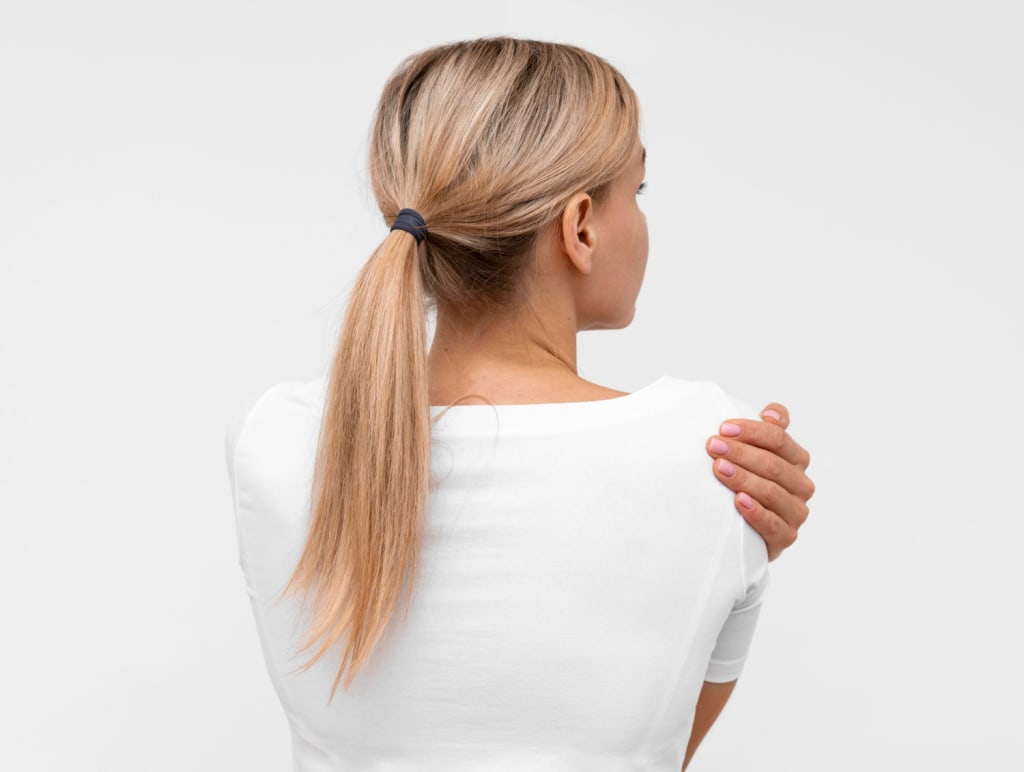
Many people associate aesthetic refinement with the face, but subtle changes in the neck and shoulders can shift a person’s overall appearance just as much. In Hobart, where physical work, desk posture, and daily load-carrying are common, it’s not unusual for clients to develop overactivity in their upper trapezius muscles. These long, kite-shaped muscles sit at the top of the back and shoulders, controlling movement and maintaining posture—but they can also contribute to a bulky or rigid look when overused.
Targeted muscle relaxation in this area is gaining interest among those who want to ease shoulder tension or refine the silhouette of the upper body without surgical intervention. The treatment uses small doses of muscle relaxant to soften the overactive trapezius fibres, offering both visual and functional benefits.
What Are the Trapezius Muscles and Why Do They Matter?
The trapezius spans the upper spine and shoulders, supporting head position, shoulder elevation, and neck stability. These muscles are active every time you type, lift, turn your head, or carry a bag. Over time, chronic activation—especially from stress or static postures—can cause them to thicken. This shows up as visual heaviness or raised bulk along the base of the neck.
Clients often don’t realise this is a muscular issue. They might simply feel like their neckline looks wide, their posture feels stiff, or they’re always holding tension without meaning to. For some, this muscle dominance is genetic or training-related. For others, it comes from working in front of a screen all day, holding kids, or sleeping in poor positions.
What Happens When the Trapezius Is Overworked?
An overused trapezius can contribute to:
- Raised or “squared” shoulder appearance
- Reduced space between the earlobe and shoulder line
- Chronic tightness or tension headaches
- A feeling of physical heaviness in the upper back
- Less visible collarbones or neckline definition
In Hobart, environmental and lifestyle factors often make this worse. Colder weather causes people to unconsciously hunch or elevate the shoulders, while outdoor activity, hiking, and occupational tasks add physical load. Over time, this can contribute to not just discomfort, but a shape that feels inconsistent with the rest of your appearance.
How Muscle Relaxant Therapy Can Help
When a muscle is overactive, relaxing it slightly allows surrounding areas to recalibrate. With trapezius slimming, small amounts of muscle relaxant are introduced into the upper portion of the trapezius using precise, localised techniques. This reduces unnecessary contraction, allowing the muscle to soften in volume and tension.
Within a few weeks, clients usually notice:
- A gentler, more tapered transition from neck to shoulder
- Less sensation of tightness or pull in the upper back
- A more relaxed posture without effort
- Improved definition in clothing or sleeveless tops
It’s not about weakening the shoulders. The treatment only affects superficial over-contraction in the upper segment. You can still lift, move, and function as normal.
Why This Approach Suits Hobart Clients
Local climate and lifestyle factors make this treatment especially relevant in southern Tasmania. Cooler air leads to chronic shoulder elevation as people brace against the cold. Many professionals also work from home, leaning forward over laptops for hours without neck support. Others carry equipment, children, or groceries daily, often on the same side.
These repetitive movements create patterns of overuse. Muscle relaxant therapy doesn’t just change how that area looks; it breaks a physical cycle of tension that massage alone often can’t fix long-term. For many clients, it’s the first time in years they’ve felt free across the shoulders.
What the Procedure Involves
The treatment is straightforward and quick. After an assessment of posture and muscle dominance, a nurse will map out the precise points for product placement. These are usually located in the upper third of the trapezius, near the point where the muscle starts to bulk outward.
Most clients receive 3–6 small injections per side. A fine needle is used and no general anaesthetic is required. The session typically takes under 15 minutes, and you can return to work or daily activities straight away.
For clients concerned about sensitivity, a topical numbing cream may be applied beforehand, but the procedure is usually well tolerated.
When Do Results Start to Show?
While some functional relief (like reduced stiffness) may begin within 7–10 days, the visible slimming effect tends to become noticeable around week 3 or 4. That’s when the muscle has fully responded and the shoulder contour begins to look more elongated.
Results usually last 3 to 5 months. Over time, some clients find they can space appointments further apart or reduce the amount used, as the muscle gradually adapts to a more neutral resting tone.
Who Is a Good Candidate?
This treatment is often suitable for clients who:
- Experience ongoing shoulder tightness, even after physical therapy
- Feel like their shoulders sit too high or bulky relative to their neck
- Have high muscle tone through strength training or genetics
- Are planning for events where neckline exposure is important (e.g. weddings or media appearances)
- Prefer a low-impact way to soften posture and silhouette without structural change
Your nurse will evaluate not only the muscle but your overall posture, shoulder mechanics, and treatment goals. Clients with very low muscle mass or functional reliance on shoulder elevation may not be suitable candidates.
A Complement to Holistic Skin and Muscle Care
Muscle-based contouring can complement other upper body treatments, particularly in the shoulder and neckline area. Clients often pair trapezius relaxation with:
LED therapy for inflammation or skin texture
Neck hydration or lifting treatments for the collarbone and décolletage
Clinical skincare for breakouts on the upper back
The goal is not transformation, but refinement—bringing the skin, muscle, and posture into quiet alignment.
About the Creator
The Subtle Lift
Exploring the science, trends, and truths behind skin treatments in Australia — from wrinkle relaxers to skin needling. Unbiased insights, researched content, and real-world tips for those navigating the world of non-surgical aesthetics.
Keep reading
More stories from The Subtle Lift and writers in Blush and other communities.
Can Skin Needling Help With Texture and Pores?
Uneven skin texture doesn’t always announce itself with bold imperfections. It tends to show up more subtly: makeup catching in small patches, light reflecting unevenly, or skin feeling slightly rough even when it looks clear. For people in Hobart, where the skin is often challenged by wind, dryness, and UV exposure, this kind of surface disruption is common—especially around the cheeks, nose, and chin.
By The Subtle Lift8 months ago in Blush
Magazine Dreams: A Powerful Psychological Drama About Obsession, Identity, and the Pursuit of Recognition
In recent years, psychological character studies have become an important part of modern cinema. Films that focus on the inner struggles of individuals often reveal more about human nature than traditional narratives centered on action or spectacle. One such film is Magazine Dreams, a psychological drama written and directed by Elijah Bynum.
By Backlinks Carta day ago in Blush



Comments