
Microneedling for Acne Scarring in Hobart
Long-Term Support for Skin Clarity

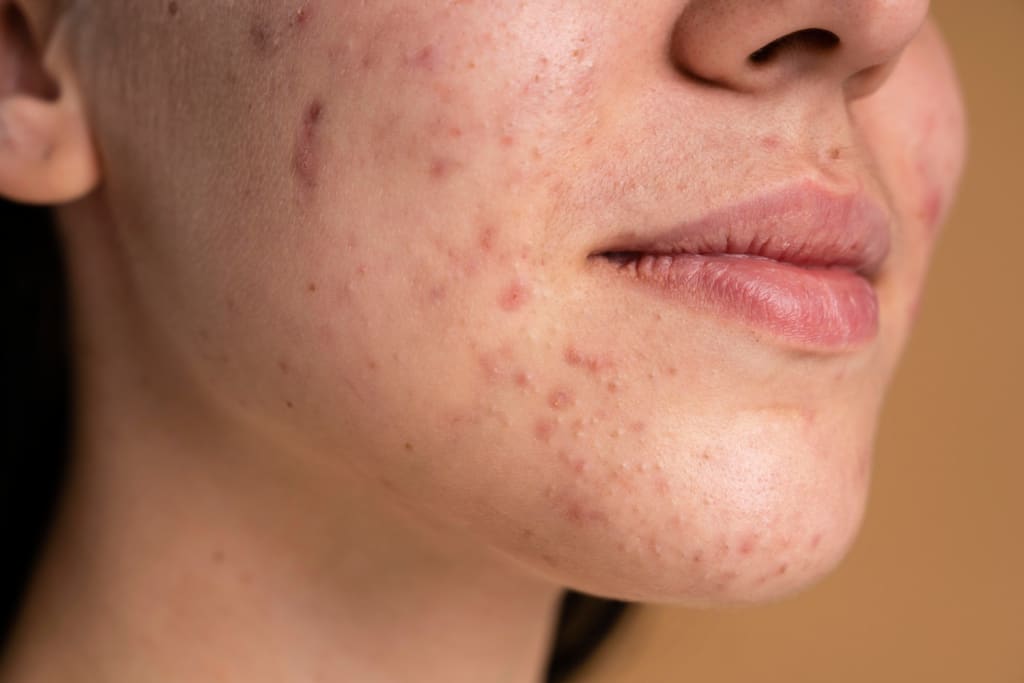
Acne scarring affects more than just the skin. It often changes how people feel about their appearance and how comfortable they are in public. In Hobart, clients seeking long-term skin improvement without filler or laser are turning to microneedling. This medical treatment, also known as skin needling, helps smooth the surface of pitted scars while rebuilding structure underneath. When done in a clinic under medical guidance, it offers steady, visible results.
Understanding Acne Scars vs. Active Acne
Before starting treatment, it’s important to separate active acne from acne scarring. Active acne involves inflammation, infection, and blocked pores. Acne scars are what’s left behind once the acne has healed. These include depressions in the skin, changes in tone, or uneven texture. Microneedling is not used to treat active acne. It works by targeting the scar tissue that remains after inflammation has settled.
At Heart Aesthetics Hobart, every acne scarring client is medically assessed before treatment. This ensures skin is calm, intact, and ready to respond safely. We only treat once healing is complete and the risk of further breakout is low.
What Skin Needling Does for Acne Scars
Skin needling works by creating controlled micro-injuries across the skin’s surface. These micro-injuries trigger a healing response that stimulates fibroblasts to produce collagen and elastin. Over time, the new collagen helps lift pitted scars, smooth uneven surfaces, and restore skin density. The skin doesn't grow back overnight, but the changes build with each session.
The results are gradual and cumulative. Many clients in Hobart start to see surface improvement after their second or third session, but deeper changes happen slowly as collagen develops. Scars don’t vanish, but they often become less visible, shallower, and easier to cover with makeup—or no makeup at all.
Why Microneedling Suits Scarring Better Than Other Treatments
Peels and lasers work on the surface layer of the skin. For some concerns, they’re effective. But when it comes to acne scarring, the problem lies deeper. The dermis—the skin’s middle layer—has lost structure. Microneedling reaches this layer and encourages natural regeneration without damaging the top layer. This makes it safer for a broader range of skin types and tones.
It’s also less risky than laser in terms of post-treatment pigmentation, especially for clients with olive or darker complexions. The recovery time is shorter than with deep peels or resurfacing lasers, and the process doesn’t thin the skin. Instead, it builds it up.
Clinical Research Supporting Microneedling for Scarring
Multiple studies support the use of microneedling for atrophic (pitted) acne scarring. A 2021 review in the Journal of Cutaneous and Aesthetic Surgery found visible improvement in patients after three to six sessions spaced four weeks apart. Another study in Clinical, Cosmetic and Investigational Dermatology observed improved skin texture, reduced scar depth, and higher patient satisfaction scores in a similar timeframe.
These outcomes align with what we see in clinic. Skin needling supports real change without adding foreign substances or removing skin layers. It suits clients looking for an active approach to scar repair who want to work with their body—not against it.
Who Microneedling Suits in Hobart
Microneedling is well tolerated by most adults with atrophic scarring. Ideal candidates include those whose acne has fully resolved and who are left with textural concerns. It suits men and women equally and can be adapted to suit individual goals and skin responses.
In Hobart, we see many clients who have tried topical acids, retinol, or dermaplaning with little success. Some have had dermal filler for volume loss but want to work on the skin surface now. Others are looking for a more affordable or non-permanent alternative to fractional laser. Skin needling often fills that gap.
What to Expect During and After Treatment
Each session starts with a full consultation. Skin is cleaned, assessed, and numbed with medical-grade cream. Once numb, the microneedling device is passed across the skin in a grid pattern. The needles create micro-channels that stay open for a short time. This allows us to apply supportive serums that reach deeper layers and assist healing.
Clients often describe the feeling as pressure or vibration, not pain. Redness is common afterwards and usually settles in 24 to 48 hours. A protective barrier is applied post-treatment, and aftercare is discussed before clients leave the clinic.
Downtime is minimal. Most people can return to work or study the next day. We recommend avoiding heavy sweating, swimming, or makeup for 24 hours to protect the skin while the channels close.
How Many Sessions Are Needed for Acne Scarring
No two scars are the same. Some are shallow and soft, while others are deep or fibrotic. This means the number of sessions varies. Most clients in Hobart begin with a series of three treatments spaced four to six weeks apart. We reassess after each session and adjust the plan as needed.
Milder scarring may respond well after three treatments. Moderate to deep scarring often requires five or more sessions. We space treatments to allow the skin time to rebuild. Collagen continues forming for weeks after each appointment.
Combining Microneedling with Growth Factor or LED
In some cases, results can be improved by combining microneedling with targeted skin therapies. Doctor-prescribed growth factor support can be applied immediately after needling. This calms inflammation, improves hydration, and helps regulate pigmentation. It’s especially helpful for clients with sensitive skin or history of post-inflammatory pigment.
LED light therapy can also be used between sessions to support healing, reduce bacteria, and maintain balance in the skin. These add-ons are optional but can be helpful when building skin strength during an acne scar plan.
Why Choose a Medical Clinic in Hobart for Acne Scarring Treatment
Microneedling is safe in the right hands. But poor technique or unregulated devices can lead to infection, scarring, or pigment changes. In a medical setting, risk is reduced. At Heart Aesthetics Hobart, every device is TGA-registered and used under sterile, controlled conditions. Treatments are performed by a Registered Nurse with emergency and aesthetic experience.
We don’t treat if the skin isn’t ready. We pause if there’s irritation, illness, or active acne. We only proceed when it’s safe to do so and tailor each plan to your skin’s needs.
This safety-first approach helps us achieve strong results over time. Clients trust our clinic because we focus on realistic outcomes, gentle guidance, and medical protocols—not hype.
When to Book Skin Needling for Acne Scarring
Skin needling Hobart works best when the skin is calm and stable. If you’ve finished acne treatment and want to work on texture or scars, this is often the next step. We recommend waiting at least 6 to 8 weeks after stopping active acne treatments or antibiotics before booking.
Many Hobart clients start in autumn or winter to avoid sun exposure during healing. Others plan sessions around events or life milestones. The key is timing your sessions so they build on each other without rushing or skipping steps.
About the Creator
The Subtle Lift
Exploring the science, trends, and truths behind skin treatments in Australia — from wrinkle relaxers to skin needling. Unbiased insights, researched content, and real-world tips for those navigating the world of non-surgical aesthetics.
Keep reading
More stories from The Subtle Lift and writers in Blush and other communities.
Skin Needling in Hobart
Skin needling, also called microneedling or collagen induction therapy, is one of the most requested treatments at Heart Aesthetics Hobart. Clients choose it to improve texture, reduce scarring, brighten dull skin, and support ageing prevention without filler or surgery. The results are consistent and reliable when done under medical guidance.
By The Subtle Lift10 months ago in Blush
Korean Skincare Secrets: The Best Serums to Repair and Restore your Glow
You know that moment when your skin just looks tired, dull, uneven or not quite as radiant as it used to be? Trust me, we’ve all been there. Life happens, and our skin feels it in more ways than none. That effortless glow starts to fade, and suddenly your usual routine just isn’t doing enough.
By Good health to everyone5 days ago in Blush
TUS NUA - ch 53
TUS NUA – ch 53 New Beginnings – Mia and Midnight (*)(*)(*) Finola knew Ali’s brother-in-law needed to put his mind at rest. She fed her arm through his and led him outside. “We’ll sit here. If you like, I can put a block around us so our conversation will be private.”
By Margaret Brennan2 days ago in Fiction


Comments