
Microneedling and Growth Factor Recovery in Hobart
Microneedling and Insulin

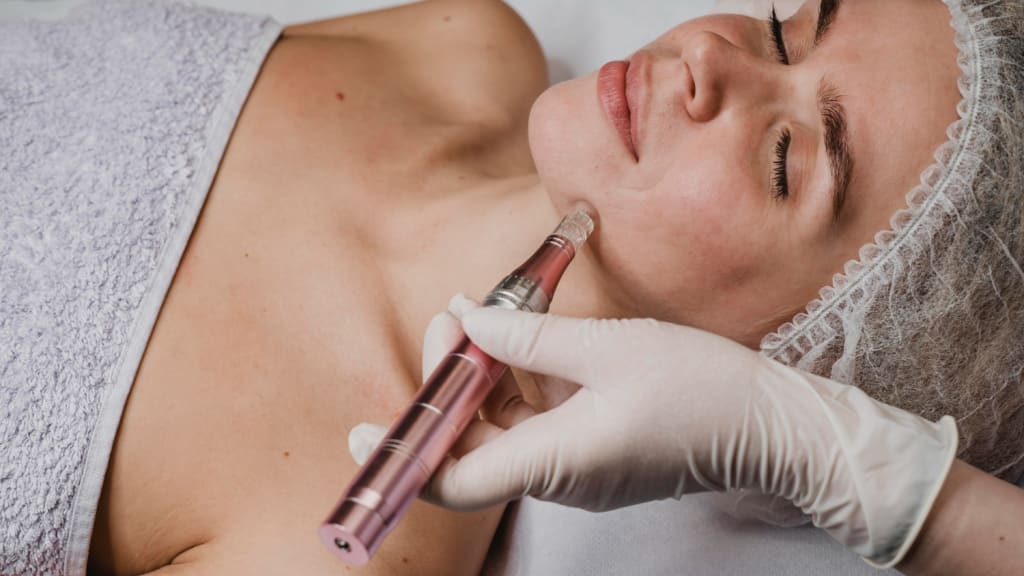
Microneedling continues to be one of the most sought-after clinical treatments for skin health in Hobart. This procedure helps repair and rebuild structure in skin affected by early ageing, acne scarring, or sun exposure—without altering your natural features. Clients often seek treatment for concerns like uneven texture, fine lines, or visible pores, but return for the ongoing improvements in skin strength, smoothness, and clarity.
For clients seeking quicker recovery and better skin quality, a medical-grade growth factor is sometimes applied immediately after the session. This prescription-only topical product isn’t your average serum—it’s a medically approved treatment designed to support the skin's healing function. While we can't name the product due to regulatory guidelines, it's safe, effective, and carefully assessed for individual suitability before use.
In our Hobart clinic, skin needling is fully tailored to your needs. If faster healing, improved firmness, or clearer skin is your goal, growth factor support may help you get there more comfortably.
How Microneedling Works
Microneedling usually takes around 30 to 45 minutes and works by using fine needles to create micro-injuries in the skin’s surface. These controlled injuries activate the skin’s natural repair response, triggering fibroblasts—the cells responsible for building collagen and elastin.
The Three Phases of Healing
The healing journey unfolds in three stages. In the inflammatory phase, white blood cells and fresh blood flow into the treated area, setting the stage for repair. Next, during the proliferative phase, the skin starts rebuilding with new capillaries and the first strands of collagen. In the final remodelling phase, that newly formed tissue gradually strengthens and becomes more even in tone and texture.
Microneedling is suitable for many skin concerns, including early ageing, post-acne scarring, visible pores, and surface roughness. Most people start to see visible brightness and clarity in the first week. Over six to twelve weeks, the deeper improvements in texture and firmness appear. For best results, a series of three to four treatments spaced a month apart is often recommended.
Why Add Growth Factors After Microneedling
Applying a growth factor directly after microneedling allows it to reach the skin’s deeper layers while the microchannels are still open. This is where real tissue repair takes place.
What Topical Growth Factors Do for the Skin
Topical growth factors are clinically formulated to support skin renewal. When applied post-treatment, they calm inflammation, stimulate fibroblast activity, and improve moisture retention. They also promote the production of collagen and elastin—critical to long-term skin strength.
These treatments stay within the outer layers of skin and are safe when used under medical supervision. They’re ideal for clients preparing for events, those with sensitive skin, or anyone wanting to maximise results with less visible downtime.
Clinical Benefits of Topical Growth Factors
Clients using growth factors after microneedling often experience a shorter healing window, less redness, and better hydration in the days following treatment. This is especially useful for those who want fast, predictable results or who are managing texture or post-inflammatory scarring.
Skin prone to inflammation or pigmentation tends to heal more slowly. Growth factors can help settle this response early, making it particularly helpful for clients with a history of rosacea, eczema, or post-acne marks. It can also reduce the chance of pigmentation changes in melanin-rich skin.
Many also report improved elasticity and skin tone. That’s because elastin—responsible for bounce and flexibility—is supported along with collagen. Areas such as the cheeks, jawline, and neck respond especially well.
Clients often find their skin feels smoother and makeup applies more evenly. Some say they’re more confident going without makeup altogether.
With regular use, the skin becomes stronger and more resilient. Clients who add growth factor support often find their skin responds better to other treatments and becomes less prone to redness or flare-ups.
Who Should Consider Growth Factor Support
Most clients can benefit from topical growth factors, but they are especially helpful for those with dryness, sensitive skin, or slow healing. They’re also ideal for clients combining microneedling with other therapies like chemical peels or laser.
If you're preparing for an event and want to reduce visible redness sooner, growth factors are worth considering. They aren't required, but they can elevate the outcome.
Safety and Application
As with all medical treatments, safety comes first. The growth factor used at Heart Aesthetics Hobart is prescription-only and applied only when clinically suitable. It is not recommended during pregnancy, while breastfeeding, or if there's an active skin infection or known allergy.
After your microneedling session, the growth factor is gently applied to clean skin while the microchannels remain open. It stays on for a set period before we apply a post-care balm. Most clients describe it as soothing, especially if their skin usually feels hot or sensitive after needling.
You’ll receive full aftercare instructions based on your skin type. Most clients are back to normal routines within 24 hours. Without growth factor, redness may last up to five days; with it, this is often reduced to one or two.
What to Expect from Results
Microneedling on its own builds collagen, but adding a growth factor helps improve the quality of that new tissue. The skin becomes more hydrated, and inflammation settles faster. Post-treatment pigmentation risk drops, while bounce and clarity improve.
Early results start within the first week, and continued remodelling happens over two to three months. Many clients report stronger, clearer skin and a more even texture. With repeated sessions and consistent care, results tend to last longer and build over time.
Frequently Asked Questions About Growth Factors After Microneedling
Is growth factor better than PRP?
Some clients prefer growth factors over PRP because there’s no blood draw involved, and the product delivers a consistent effect. Studies suggest that in some cases, the collagen response may be faster with prescription growth factor formulas.
Can I use growth factors if I’ve had injectables?
Yes. Growth factors are safe alongside cosmetic injectables like wrinkle treatments and dermal fillers. Your provider will help you time the treatments appropriately.
Is it needed for every microneedling session?
Not necessarily. Some clients choose it every time. Others reserve it for pre-event sessions or during cooler seasons when the skin heals more slowly.
Can it help reduce pigmentation?
Yes. Growth factors calm inflammation, which helps reduce the risk of post-treatment pigmentation, especially in darker skin tones or acne-prone areas.
Does it replace my usual skincare?
No. It supports skin after microneedling but should be used alongside sunscreen, hydration, and barrier-repair products for long-term care.
Thinking About Microneedling in Hobart?
Microneedling is already an effective treatment for skin clarity and firmness. When paired with topical growth factor support, it becomes a smarter, faster path to results.
At Heart Aesthetics Hobart, we focus on treatment plans that feel safe and make sense for your skin. We’ll never recommend more than you need. If growth factors are right for you, we’ll explain why. If another option suits you better, we’ll guide you through that too.
Book your consultation today to find out how microneedling and post-care growth factor support could fit into your skin goals—gently, safely, and at your pace.
About the Creator
The Subtle Lift
Exploring the science, trends, and truths behind skin treatments in Australia — from wrinkle relaxers to skin needling. Unbiased insights, researched content, and real-world tips for those navigating the world of non-surgical aesthetics.
Keep reading
More stories from The Subtle Lift and writers in Blush and other communities.
Botox and Skincare Synergy
At Heart Aesthetics Hobart, clients often ask what they can do at home to support the results of their anti-wrinkle injections. The truth is, wrinkle reduction doesn’t stop in the clinic. Good skincare helps protect and support the work done beneath the surface. When treatments and home routines work together, results often last longer and look more even.
By The Subtle Lift8 months ago in Blush
The Modern Guide to Smooth, Healthy, and Confident Hair Care
Hair has always been more than just a physical feature. Across cultures and generations, it represents beauty, confidence, and personal identity. Whether long or short, natural or styled, hair plays a powerful role in how people express themselves. In recent years, advancements in beauty and grooming have transformed how individuals manage unwanted hair, especially with options like Laser Hair Removal in Islamabad, which reflects the growing demand for modern, effective solutions.
By Saad Imtiazabout 8 hours ago in Blush


Comments