
Mastering Wig Care: Wash Human Hair Wigs
The Ultimate Guide to Washing Human Hair Wigs: Professional Steps for Longevity

We love being able to share our wig wisdom with our loyal followers, and caring for your alternative human hair is one of the most critical areas that we often get asked about.
If you’re reading this, then you likely have already made the decision to purchase a human hair wig, and you naturally want to make sure you protect your investment so it remains in optimal condition for a long time to come.
Whether you wear your wig daily or just occasionally, caring for human hair wigs is essential to ensuring that these beautiful hairpieces maintain their luster and longevity.
Maintaining the luster and longevity of a human hair wig requires more than just a quick rinse. To keep your investment looking salon-fresh, it is essential to follow a structured care routine.
Drawing insights from the hair replacement experts at Bono Hair, this guide outlines the professional steps to washing and maintaining a human hair wig effectively.
The Ultimate Guide to Washing Human Hair Wigs: Professional Steps for Longevity
1. Preparation: The Foundation of Care
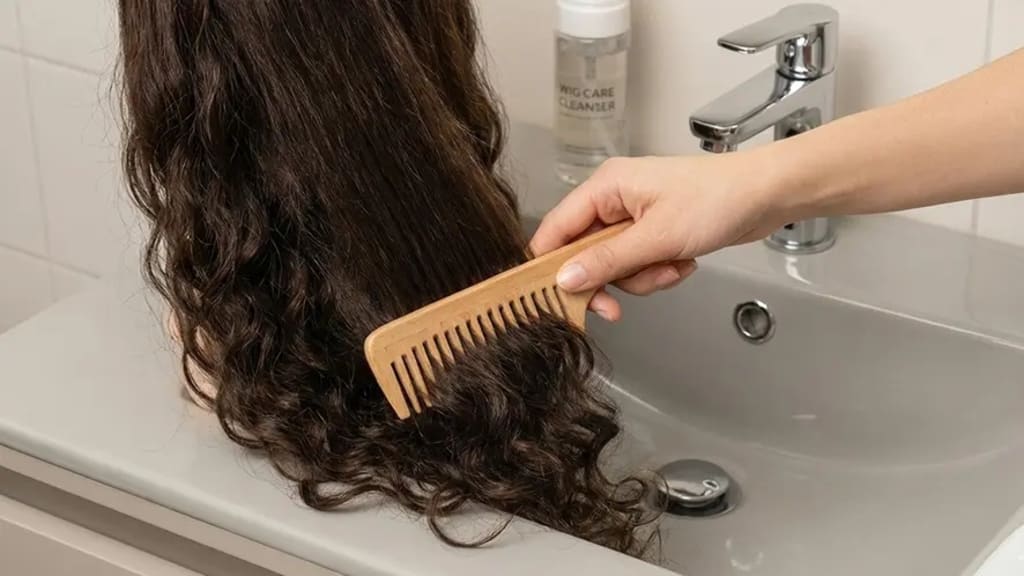
Before the wig even touches the water, you must perform a thorough detangling.
The Technique: Use a wide-tooth comb or a specialized wig brush. Always start from the ends and gradually work your way up to the roots.
The Golden Rule: Never brush your wig while it is soaking wet, as this is when the hair fibers are most vulnerable to stretching and breakage.
2. The Washing Process: Gentle is Key
According to Bono Hair, the secret to a successful wash is maintaining the direction of the hair to prevent tangling.
Rinsing: Use lukewarm water—avoid hot water as it can damage the hair cuticles and cause the wig cap to lose its shape. Let the water flow from the base to the ends.
Shampooing: Apply a small amount of sulfate-free shampoo specially formulated for human hair wigs. Smooth the shampoo through the hair in a downward motion.
Expert Tip: Avoid rubbing or scrubbing the hair aggressively, as this causes matting and can loosen the hand-tied knots at the base.
3. Deep Conditioning: Restoring Moisture
Since wig hair no longer receives natural oils from the scalp, manual hydration is vital.
Application: Apply conditioner primarily to the mid-lengths and ends.
Crucial Caution: Keep conditioner away from the wig base/knots. Conditioner can lubricate the knots, causing them to untie and leading to significant shedding.
Wait Time: Leave the conditioner on for 3–5 minutes before rinsing thoroughly with cool water to seal the cuticles.
4. Drying and Styling: Patience Over Heat
Pat Dry: Wrap the wig in a soft towel and gently pat out excess water. Do not wring or twist the hair.
Air Dry: The safest method is to place the wig on a folding wig stand and let it air dry in a well-ventilated area. This maintains the cap’s integrity and prevents bacterial growth.
Heat Styling: If you must use a blow dryer, use a low-heat setting and apply a heat protectant spray first.
Frequently Asked Questions (FAQ)
Q: How often should I wash my human hair wig? A: As a general rule suggested by Bono Hair, you should wash your wig every 10 to 15 wears. Over-washing can lead to dryness and shorten the lifespan of the hair.
Q: Why does my wig feel dry after washing? A: This is often caused by using "drugstore" shampoos containing harsh sulfates or using water that is too hot. Always opt for moisture-rich, professional-grade products.
Conclusion
As noted in the Bono Hair guide, "Taking care of your human hair wig is an investment in your confidence and style" (Ref: Bono Hair Blog). By treating the hair with the same—if not more—care than your natural hair, you ensure it remains soft, manageable, and beautiful for months to come.
About the Creator
Alex Morgan
Written by Bono Hair’s content team — experts in professional hair replacement solutions and advocates for confidence, authenticity, and self-expression through modern hair systems.
Keep reading
More stories from Alex Morgan and writers in Blush and other communities.
Elevate Your Style: The Ultimate 2026 Guide to Men’s Hair Highlights
In the evolving world of men’s grooming, hair color is no longer just about covering up grays. Today, highlights have become a powerful tool for self-expression, allowing men to add depth, character, and a modern edge to their appearance.
By Alex Morgan20 days ago in Blush
Philippines Beauty & Personal Care Market 2026: Self-Care Trends, Product Innovation & Retail Expansion
Philippines Beauty & Personal Care Market Overview The Philippines beauty and personal care market continues to expand steadily as consumers place increasing importance on self-care, hygiene, grooming and overall appearance. Beauty and personal care products have become everyday essentials across households, covering categories such as skincare, haircare, oral care, color cosmetics, fragrances and personal hygiene products. Rather than being viewed as discretionary purchases, many of these products are now considered part of routine health and wellness habits.
By Manisha Dixit5 days ago in Blush



Comments
There are no comments for this story
Be the first to respond and start the conversation.