
Is Dry Shampoo a Good Substitute? When to Use Dry Shampoo and When to Wash
Know if dry shampoo is good or not?
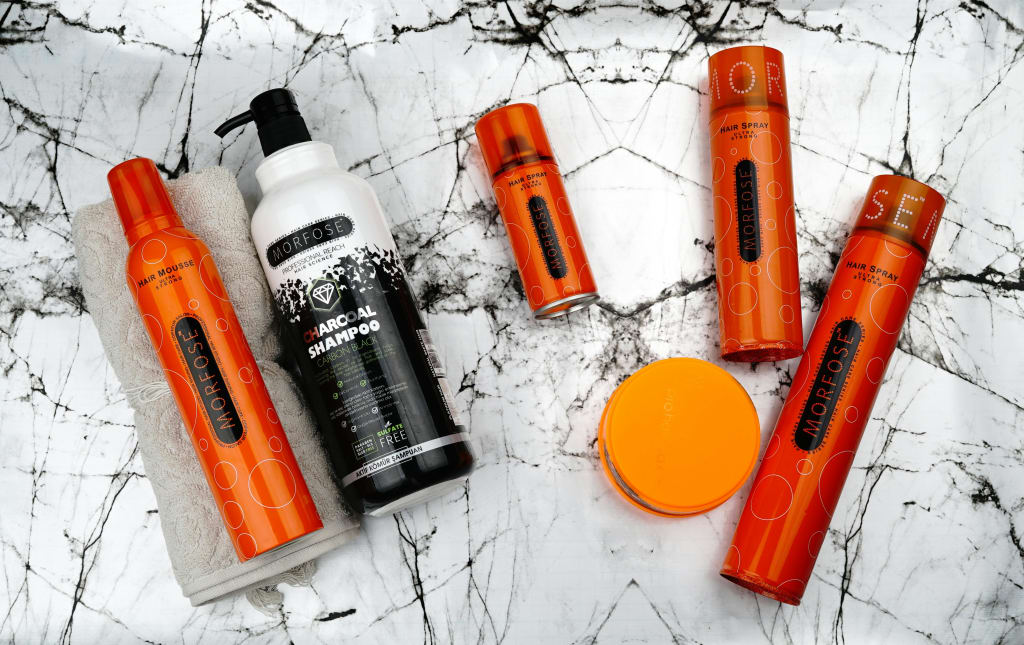
Dry shampoo has become a go-to product for busy mornings, post-workout refreshes, and travel days when washing your hair seems impossible. According to a report by Statista, the global dry shampoo market reached $4.1 billion in 2022, and it’s only projected to grow. The appeal is obvious: it provides a quick fix for oily hair, adds volume, and helps extend the time between washes. But is dry shampoo a good substitute for regular washing? And how do you know when to use dry shampoo versus when it’s time to lather up in the shower?
In this blog, we’ll explore the pros and cons of dry shampoo, when it’s appropriate to use it, and when washing your hair with traditional shampoo is essential. With data-backed insights and hair care tips, we’ll answer the burning question: is dry shampoo a good substitute?
What Is Dry Shampoo and How Does It Work?
Before diving into the pros and cons, it’s essential to understand how dry shampoo works. Unlike traditional shampoo, dry shampoo doesn’t cleanse your hair by removing dirt and oils with water. Instead, it uses powders (like cornstarch or rice starch) or alcohol to absorb excess oil from your scalp and roots, giving your hair a fresher appearance.
Dry shampoo is available in aerosol sprays, powders, and even foam formulations, making it convenient to use on the go. It’s designed to refresh your hair between washes by reducing the greasy look caused by oil production, especially if your scalp tends to produce more sebum.
Fact: Dry shampoo has gained immense popularity in recent years, with the market projected to grow by 8.6% from 2023 to 2030, according to a report by Fortune Business Insights.
The Pros of Using Dry Shampoo
1. Time-Saving Solution for Busy Days
The primary advantage of dry shampoo is its convenience. In today’s fast-paced world, washing, drying, and styling hair can be time-consuming. Dry shampoo offers a quick fix for those days when you’re short on time but need a refreshed look.
• Statistic: According to a survey by YouGov, 58% of respondents said they use dry shampoo to save time when they can’t wash their hair.
2. Prolonging Hairstyle Longevity
Dry shampoo can help prolong the life of your hairstyle by reducing the need for frequent washing. It’s particularly helpful for those who style their hair with heat tools, as less washing means fewer heat styling sessions and less potential damage.
• Fact: Over-washing your hair can lead to dryness, especially if you use heat tools like straighteners or curling irons. Dry shampoo allows you to preserve your hairstyle for longer without compromising on cleanliness.
3. Reducing Heat Damage
As mentioned earlier, dry shampoo helps minimize the number of washes, which means you can reduce the frequency of blow-drying or heat-styling your hair. This is beneficial for preventing heat damage, split ends, and frizz, which can result from overuse of hot tools.
• Statistic: A study by International Journal of Trichology found that regular use of heat styling tools causes significant hair damage over time, including breakage and loss of moisture.
4. Boosting Volume
Another perk of dry shampoo is its ability to add volume and texture to your hair. Since it absorbs oil, it leaves your roots looking fuller and less weighed down by grease. Many people use it to give their hair a voluminous look, even when it’s freshly washed.
• Tip: For added volume, apply dry shampoo at the roots and use your fingers to gently massage it into your scalp.
The Cons of Relying on Dry Shampoo
While dry shampoo can be a lifesaver on certain days, it’s important to recognize its limitations. Dry shampoo doesn’t cleanse your scalp the same way traditional washing does, and overuse can lead to hair and scalp issues.
1. Not a Substitute for Washing
One of the biggest misconceptions is that dry shampoo can replace regular washing. It’s a temporary fix for oily hair, but it doesn’t remove dirt, dead skin cells, or product buildup from your scalp. Prolonged use without washing can lead to clogged hair follicles and scalp irritation.
• Fact: The American Academy of Dermatology (AAD) recommends washing your hair regularly to prevent scalp problems such as dandruff, itching, and hair loss.
2. Potential Scalp Health Issues
Overuse of dry shampoo can contribute to scalp issues like dandruff, irritation, and even folliculitis (inflammation of hair follicles). Since it doesn’t cleanse the scalp, it can cause debris and product to accumulate, leading to blocked pores and impaired hair growth.
• Statistic: A study from the National Institute of Dermatology found that prolonged use of dry shampoo without proper washing can increase the risk of scalp irritation by 45%.
3. Dryness and Breakage
Dry shampoo absorbs oil, but it can also dry out your scalp and hair if used too frequently. Over time, the lack of moisture can lead to brittle hair and increased breakage, especially for those with naturally dry or textured hair.
• Tip: If you have dry hair, limit your use of dry shampoo to once or twice a week and alternate with moisturizing treatments.
4. White Residue
One common complaint about dry shampoo is the white residue it can leave behind, especially for those with darker hair. While some brands offer tinted formulas for brunettes and black hair, traditional dry shampoos can leave an unappealing chalky finish if not applied properly.
• Tip: To avoid white residue, spray dry shampoo at least 6-8 inches from your scalp, and let it sit for a minute before brushing it through your hair.
When to Use Dry Shampoo
Dry shampoo is a versatile product that can help in several scenarios, but it’s important to use it wisely. Here are the ideal situations for reaching for your dry shampoo:
1. In Between Washes
If you’ve washed your hair recently but notice some greasiness starting to creep in, dry shampoo is a great way to refresh your hair without going through the full washing process. It’s best used to extend the time between washes, especially if you want to protect your hair’s natural oils.
• Fact: According to a P&G Beauty Report, 72% of women use dry shampoo to prolong the time between washes, helping to maintain the hair’s natural oil balance.
2. Post-Workout
If you’ve just finished a workout and don’t have time to wash your hair, dry shampoo can help absorb sweat and oils temporarily. It’s an excellent quick fix for refreshing your hair when you’re on the go or need to run errands after the gym.
• Tip: After applying dry shampoo post-workout, use a blow-dryer on the cool setting to help distribute the product and absorb any lingering moisture.
3. To Add Volume and Texture
Dry shampoo is not just for oily hair; it’s also a great styling tool. Many people use dry shampoo to add volume and texture, even on clean hair. It’s especially useful for fine hair that tends to fall flat.
• Tip: Apply dry shampoo to your roots and tease the hair gently to add lift and volume, creating a fuller, more voluminous look.
4. For Travel
Dry shampoo is a must-have when traveling, particularly for long flights or camping trips when access to showers might be limited. A quick spritz can keep your hair looking fresh and clean when regular washing isn’t an option.
When to Wash Your Hair
While dry shampoo has its perks, it’s essential to understand when it’s time to ditch the dry shampoo and opt for a proper wash. Here are the key times when you should stick to traditional shampoo and water.
1. After Excessive Sweating
If you’ve been sweating profusely—whether from a workout, hot weather, or stress—dry shampoo isn’t enough to cleanse your scalp. Sweat can mix with oils and dirt, creating an environment where bacteria thrive, leading to scalp irritation and unpleasant odors.
• Fact: The AAD recommends washing your hair after excessive sweating to prevent scalp buildup and maintain hygiene.
2. When Your Scalp Feels Itchy or Irritated
If your scalp feels itchy or irritated, it’s a sign that it needs a thorough cleanse. Using dry shampoo on an irritated scalp will only exacerbate the issue, as it won’t remove the dirt or oil causing the irritation.
• Tip: Use a sulfate-free shampoo that’s gentle on the scalp to soothe irritation while providing a deep cleanse.
3. To Remove Product Buildup
If you regularly use styling products like gels, sprays, or serums, dry shampoo won’t effectively remove product buildup. Regular washing is necessary to cleanse your scalp and hair, ensuring that styling products don’t clog your hair follicles.
• Fact: Product buildup can lead to hair breakage and scalp issues if not removed. A clarifying shampoo once every few weeks can help prevent buildup.
4. At Least Once or Twice a Week
Even if you use dry shampoo, regular washing is necessary to maintain scalp health. Dermatologists recommend washing your hair at least once or twice a week to remove dead skin cells, dirt, and oils. This frequency can vary based on your hair type—oily hair may need more frequent washing, while dry hair can go longer between washes.
Conclusion: Dry Shampoo vs. Traditional Washing
Dry shampoo is an excellent tool for extending the time between washes, adding volume, and refreshing your hair on the go. However, it’s not a complete substitute for traditional washing. Over-reliance on dry shampoo can lead to scalp issues, dryness, and product buildup. Buy dry shampoo from TrueGether, the best eBay alternative.
The key to healthy hair is balance. Use dry shampoo when you need a quick fix, but ensure you’re regularly washing your hair to maintain scalp health and cleanliness. By understanding when to use dry shampoo and when to opt for a good old-fashioned wash, you can enjoy the benefits of both without compromising the health of your hair.
About the Creator
Ruby
I am an enthusiastic writer with a pinch of creativity. I write compelling stories that will leave you astounded and satiated at the same time.
Aloe Vera in Skin Care
In recent years, the beauty industry has embraced aloe vera, infusing it into an array of skin care products ranging from moisturizers, serums, and masks to soothing gels and ointments. This versatile plant offers a variety of benefits for all skin types.
By Good health to everyoneabout 14 hours ago in Blush
Wild Card Weekend Recap: What Happens Now?
I think I figured out why I love Wild Card Weekend so much. It's because it's the first playoff anything of the calendar year. The NFL season starts in the fall, and once upon a time, the champion was crowned either on or slightly before New Year's. The evolution of the NFL schedule has resulted in the playoffs starting just into the New Year, and currently, the final week of the season falls on the first weekend of the New Year, with Wild Card Weekend coming a week after that. So yes, chronologically, the NFL's Wild Card Weekend serves as the first playoff anything of the calendar year.
By Clyde E. Dawkins6 days ago in Unbalanced




Comments (1)
well generated