
Iron Deficiency Anemia And Fertility: Everything You Need To Know
Anemia can significantly impact fertility and pregnancy, so it's essential to understand the causes, symptoms, and treatment options for this condition.

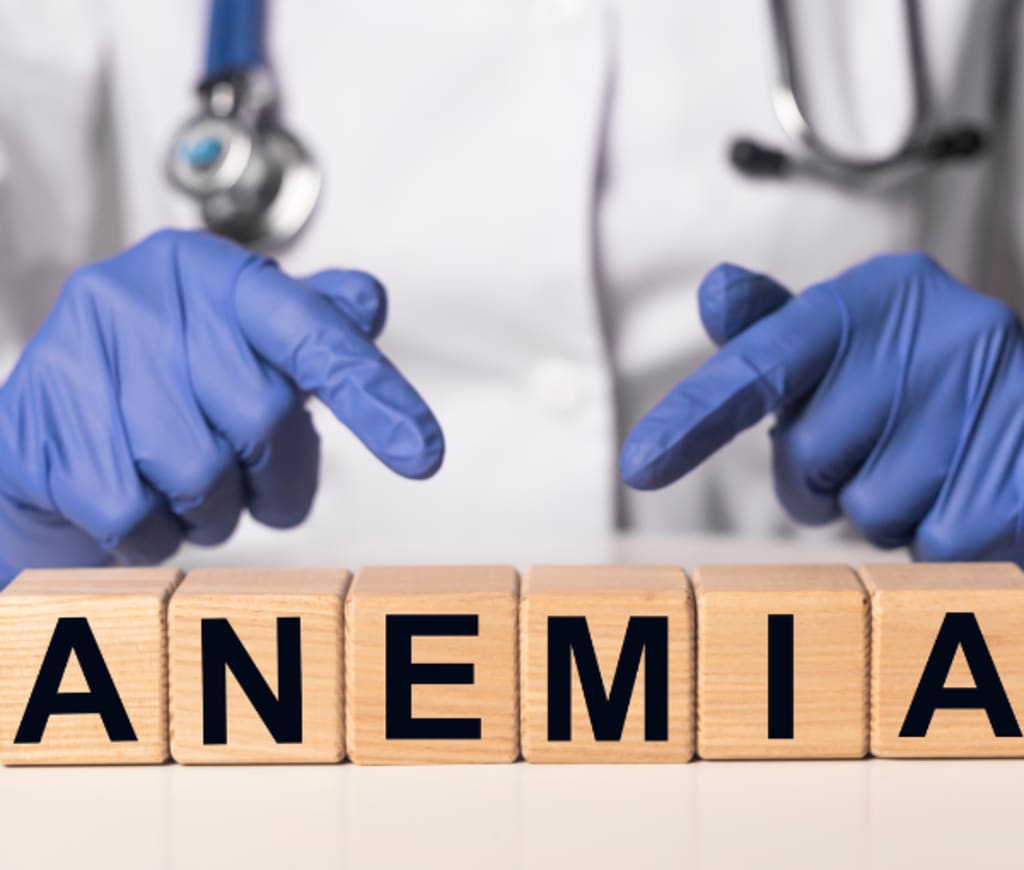
The relationship between anemia and fertility
Having low iron affects fertility and can have a significant impact and pregnancy. Anemia can make it more difficult for a woman to conceive while increasing the risk of miscarriage and other complications during pregnancy. Anemia can also lead to low birth weight, premature birth, and developmental delays in the baby.
How does iron play in infertility?
If you are iron deficient, you are more likely to experience amenorrhea, or the absence of your period, because your body is striving to prevent extra iron loss through menstruation. Amenorrhea affects the majority of women of childbearing age who are iron deficient. This can also be caused by consuming insufficient calories. Low iron levels are also linked to anovulation, which occurs when the egg is not released throughout your monthly cycle, making it impossible to conceive.
The effect of anemia on fertility for women
In women, anemia can make it more difficult to conceive and increase the risk of miscarriage and other complications during pregnancy. The most common type of anemia that affects fertility is iron-deficiency anemia, which occurs when the body does not have enough iron to produce enough hemoglobin.
Iron is necessary for producing red blood cells, and a deficiency can lead to a decrease in the number of red blood cells and a reduction in the amount of oxygen carried to the body's tissues. Iron deficiency symptoms include fatigue and weakness, can also affect ovulation and negatively impact the uterus lining, making it less hospitable for the fertilized egg to implant.
The effect of anemia on fertility for men
In men, anemia can also affect fertility by causing a decrease in sperm count and quality. This is because anemia can cause oxidative stress in the body, which can damage sperm cells and make it more difficult for them to fertilize an egg.
To increase fertility and iron levels while trying to conceive, women should focus on consuming a balanced diet that includes foods high in iron, folic acid, and other essential nutrients. Some specific foods that can be beneficial for increasing fertility and iron levels include:
- Leafy green vegetables, such as spinach and kale, are high in folic acid and iron.
- Lean meats, such as chicken and turkey, are good sources of iron.
- Legumes, such as lentils and beans, are high in iron and folic acid.
- Whole grains, such as quinoa, are high in folic acid.
- Fruits and vegetables, such as berries and citrus fruits, are highly antioxidants.
- Eggs are high in choline, an important nutrient for fetal brain development.
- Oysters and mussels, high in zinc and iron
Wrapping up
In conclusion, anemia is a common blood disorder that can affect both men and women but is more common in women, especially those who are pregnant or trying to conceive. It can have a significant impact on fertility and pregnancy, so it's essential to understand the causes, symptoms, and treatment options for this condition.
If you suspect you may have anemia, see a doctor for a proper diagnosis and treatment. Eating a healthy diet rich in iron, folate, vitamin B12, and vitamin C and taking iron supplements regularly can also help to prevent anemia and support overall health.
Iron supplements are typically recommended for people who are at risk of iron deficiency, such as pregnant women, women with heavy menstrual periods, and people with gastrointestinal disorders that affect iron absorption. Iron supplements are available in several different forms, including tablets, capsules, and liquids.
One popular brand of iron supplement is Ferrotone. This form of iron is highly absorbable and is often recommended for people who have difficulty absorbing iron from other sources.
About the Creator
The ultimate Ramadaan skincare guide for hydrated and radiant skin throughout the fast
The biggest skin concern during fasting periods is dehydration. There’s something quietly beautiful about the rhythm of Ramadaan. The stillness before dawn, the communal joy of breaking fast, the soft recalibration of body and spirit.
By Good health to everyone3 days ago in Blush



Comments
There are no comments for this story
Be the first to respond and start the conversation.