
How Wireless Load Cells Like GC018 and GC035 Are Revolutionizing Construction Sites?
The construction industry is moving fast
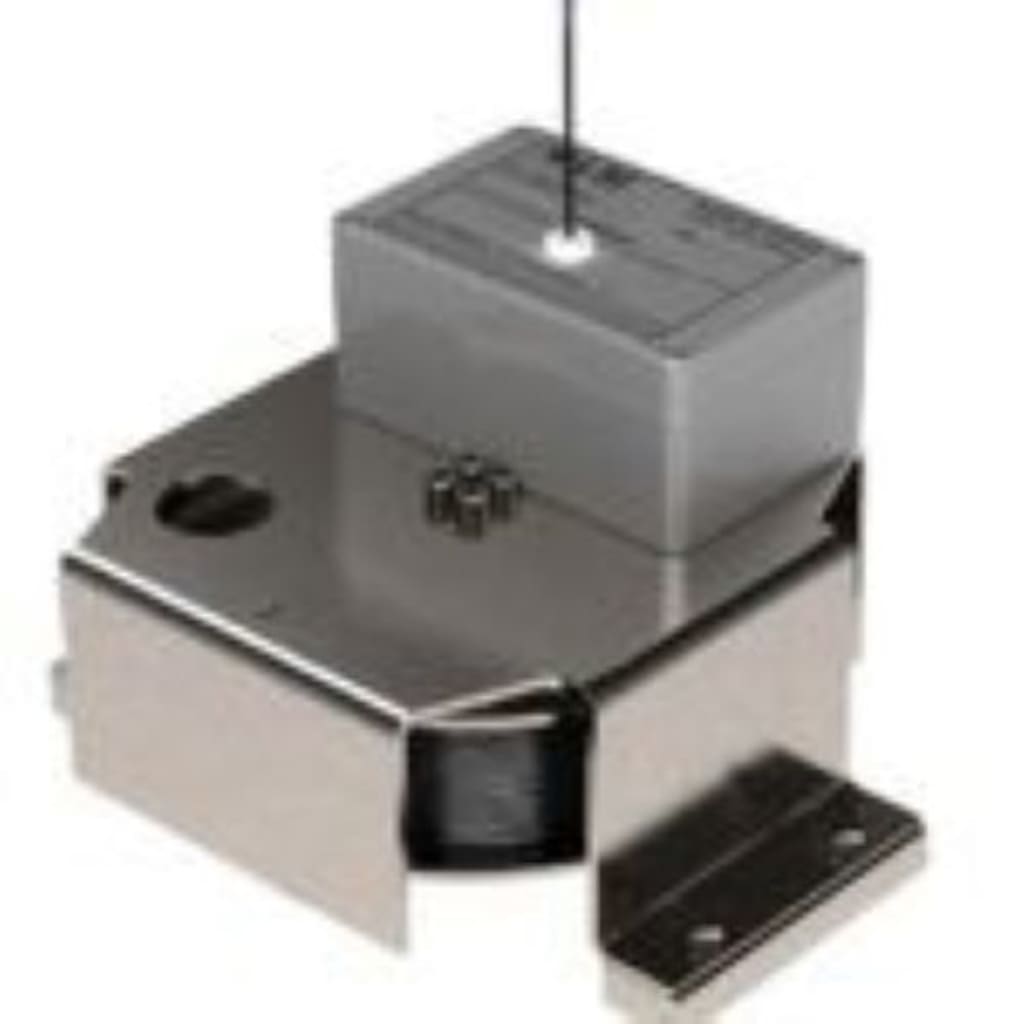
The construction industry is moving fast—and heavy. Whether it's lifting steel beams, moving concrete panels, or handling prefab components, knowing exactly how much weight is being lifted is critical. Mistakes in load weight can cause serious safety risks, equipment damage, and project delays.
That’s where wireless load cells come in. These smart tools are transforming crane and rigging operations across construction sites.
Unlike traditional load monitoring systems, wireless models eliminate cluttered cabling, reduce installation time, and offer seamless remote monitoring. Their portability and high accuracy make them ideal for dynamic work zones. Teams can adapt in real-time and make informed decisions without second-guessing weight limits.
Wireless load cells are also improving how teams track performance over time. By recording and analyzing lift data, companies can reduce wear and tear on equipment, predict maintenance needs, and refine processes to improve productivity. This added insight helps project managers spot inefficiencies, enhance safety protocols, and stay compliant with industry regulations. The shift from reactive to proactive load management is just one more reason wireless solutions are becoming the new standard in construction tech.
Let’s look at how wireless load cells—specifically the GC018 18K Wireless Load Cell and the GC035 35K Wireless Load Cell—are reshaping job site safety and performance.
What Are Wireless Load Cells?
A wireless load cell measures the force or weight of a load in real time and sends that data wirelessly to a remote display or monitoring system.
These devices help crane operators, riggers, and safety managers:
- Prevent overloads
- Monitor weight during lifts
- Reduce guesswork
- Improve safety protocols
No more running cables across the site or dealing with tangled wires. Wireless tech makes everything smoother—and safer.
Why Construction Sites Are Choosing Wireless Load Cells
Modern construction projects need precise, fast, and safe lifting solutions. Traditional systems often fall short in fast-paced environments.
Here’s why wireless load cells are gaining traction:
- Instant readings on handheld displays
- Improved communication between teams
- Compact and durable designs built for rough environments
- No wires to snag, break, or reroute
For example, using a GC018 18K Wireless Load Cell on light-to-medium lifts means you get reliable data with minimal setup. On the other hand, the GC035 35K Wireless Load Cell handles heavier lifting jobs with the same smart technology.
How the GC018 and GC035 Help on the Job
Let’s break down how each of these models fits into your workflow.
GC018 18K Wireless Load Cell – Perfect for Lighter Loads
- Capacity: 18,000 lbs
- Compact and easy to attach
- Ideal for mobile cranes and general rigging
- Provides real-time load data instantly
- Helps prevent overloading in day-to-day operations
This load cell is great for everyday lifts. Its lightweight design doesn’t add bulk to your rigging setup, but it adds tons of value in safety and efficiency.
GC035 35K Wireless Load Cell – Made for Heavy Lifts
- Capacity: 35,000 lbs
- Built tough for industrial and heavy-duty cranes
- Performs reliably under high load conditions
- Suits bridgework, steel erection, and marine lifting
- Enables accurate data even with massive loads
This one is for your heavy hitters. The GC035 35K Wireless Load Cell is rugged and dependable—two things every job site needs when managing heavy components.
Benefits Beyond the Basics
Still not sure why these tools matter? Here's what wireless load cells bring to the table:
- Fewer errors – You’ll lift with confidence, not guesswork
- More uptime – Wireless tech saves setup and troubleshooting time
- Smarter planning – Use load data to plan future lifts
- Remote visibility – View readings from a distance, reducing crowding near cranes
- Better safety records – Reduces risk of overloading and equipment failure
Even better, these load cells integrate easily into the Trimble LSI indicating systems, the GS 550 and the GS 820 modern crane wireless indicating systems. No complicated software or reconfiguration needed.
Use Cases Across the Industry
These load cells are not just for high-rise construction. Here are real-world examples:
- Precast concrete lifting – Ensures no panel exceeds crane limits
- Steel structure assembly – Matches each beam to safe load ranges
- Bridge deck placement – Balances load for multiple lifting points
- Marine cargo handling – Monitors weights on docks and barges
- Wind turbine installation – Supports heavy components safely and accurately
Key Takeaways
Wireless load cells are no longer "nice-to-have." They’re now a must-have in modern construction environments.
Whether you’re lifting light loads with the GC018 18K Wireless Load Cell or moving massive materials using the GC035 35K Wireless Load Cell, you’re choosing accuracy, safety, and ease.
These devices do more than show numbers—they help crews make smart, informed decisions every time something leaves the ground.
About the Creator
Keep reading
More stories from writers in Blush and other communities.
How Independent Filmmakers Are Rethinking Film Financing
Over the past decade, the economics of filmmaking have been quietly transforming. For many years, large studios controlled most aspects of film production, from financing to distribution. Today, however, independent filmmakers are discovering new ways to bring projects to life without relying entirely on traditional studio systems.
By Andreas Szakacs4 days ago in Blush
The Rain That Brought Us Together
It was a cool autumn evening in the busy streets of New York City, when people were rushing home from work while the sky slowly darkened with thick clouds that promised a heavy rainstorm, and among the crowds walking along the sidewalk was a young woman named Emily who had just finished a long day at her publishing job and was trying to reach the subway station before the rain began. Emily had always been someone who preferred quiet routines and simple evenings, but on that particular day she had stayed late at the office and was now hurrying through the streets while the wind picked up around her.
By The Curious Writer2 days ago in Blush
March 15, 2026
Merriam Webster - Word of the day: Tranche refers to a division or portion of a whole. World Contact Day is commemorated every year on March 15. It is a unique observance held globally to focus on communicating with extraterrestrial life and exploring the possibility that intelligent beings may exist beyond Earth. World Contact Day inspires people to invoke their curiosity and spend time thinking about the universe and the mysteries surrounding it. What is the “Ides of March”? According to the Roman calendar, the Ides are a monthly occurrence. In March and other months with 31 days, the Ides always falls on the 15th; it falls on the 13th in months with 30 days. The Ides traditionally marked the arrival of the new Moon and was cause for celebration. The word “Ides” is derived from Latin, meaning “to divide.” Mothering Sunday in 2026 falls on Sunday, March 15. Mothering Sunday, celebrated in the United Kingdom and Ireland, occurs on the fourth Sunday of Lent, which is exactly three weeks before Easter. Unlike the fixed-date Mother's Day in countries like the United States, Canada, and Australia, Mothering Sunday’s date changes each year according to the Christian liturgical calendar. On March 15, 2026, several notable observances and events are celebrated: Dumbstruck Day: A day to express frustration. Everything You Think is Wrong Day: A day to challenge and celebrate wrong beliefs. International Day Against Police Brutality: A day to raise awareness and advocate against police violence. My look at today, March 15, 2026 below:
By Denise E Lindquistabout 14 hours ago in Writers


Comments
There are no comments for this story
Be the first to respond and start the conversation.