
How to Filter Cooking Oil: Techniques and Best Practices
How to Filter Cooking Oil: Techniques and Best Practices

Cooking oil is an essential ingredient in kitchens worldwide, used for frying, sautéing, baking, and more. However, after several uses, oil can accumulate impurities such as food particles, burnt bits, and residues, which affect its taste, quality, and healthiness. Instead of discarding used cooking oil after every use, filtering and reusing it is a practical, cost-effective, and eco-friendly solution. In this article, we'll explore various methods, tools, and tips for effectively filtering cooking oil, ensuring it remains fresh and usable for longer periods.
Why Filter Cooking Oil?
Before diving into the methods, it's essential to understand why filtering cooking oil is beneficial:
Saves Money: Reusing cooking oil can significantly reduce your grocery bill, especially if you use high-quality oils like olive or avocado oil.
Improves Taste: Filtering oil removes food particles, improving the taste of the oil for future use.
Reduces Waste: Throwing out oil after one use contributes to unnecessary waste. Filtering oil allows it to be reused, reducing the environmental impact.
Enhances Health: Leftover food particles in oil can promote the growth of harmful bacteria, and prolonged exposure to high heat can generate toxins. Filtering oil mitigates these risks, making it safer for consumption.
When to Filter Cooking Oil
Oil should be filtered after it has cooled down but while it's still liquid and not fully solidified. Typically, you should filter the oil after every use if you’ve deep-fried food or after 2–3 uses when shallow frying. If the oil smells bad, appears dark or cloudy, or has a sticky consistency, it may be time to discard it altogether instead of filtering.
Tools and Methods to Filter Cooking Oil
Several tools and techniques can help filter cooking oil effectively. Let’s discuss some of the best methods.
1. Fine Mesh Strainer
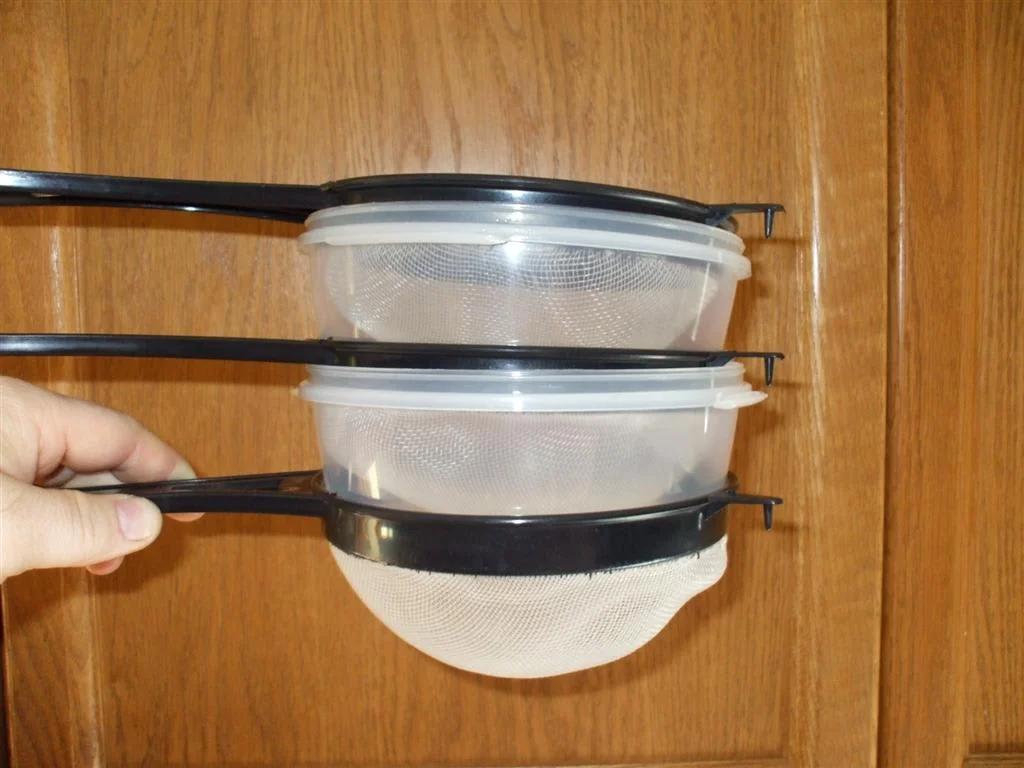
A fine mesh strainer is one of the simplest and most accessible tools for filtering cooking oil. It’s commonly found in most kitchens and works well for removing larger food particles.
How to Use:
Place the strainer over a clean container.
Pour the cooled oil through the strainer slowly.
Discard the food particles collected in the strainer.
While the fine mesh strainer will filter out larger particles, it won’t catch tiny impurities or burnt bits. To address this, you can use the strainer in combination with other filtering methods.
2. Cheesecloth
Cheesecloth is a finely woven cotton fabric often used in food preparation. Its thin, gauze-like texture allows it to filter out smaller particles than a mesh strainer.
How to Use:
Line a fine mesh strainer with a layer or two of cheesecloth.
Place the strainer over a clean bowl or container.
Pour the oil through the cheesecloth-lined strainer.
Cheesecloth can filter out most of the impurities, making the oil clearer and fresher. The material is also reusable if washed properly.
3. Coffee Filters
Coffee filters are highly effective for filtering small particles and impurities from cooking oil. These filters are designed to trap fine grounds, making them an excellent option for oil filtration as well.
How to Use:
Place a funnel over a clean container or jar.
Insert a coffee filter into the funnel.
Slowly pour the used cooking oil into the filter.
Coffee filters take longer to filter oil compared to cheesecloth or strainers because of their fine mesh, but they provide a high level of filtration.
4. Paper Towels
If you don’t have access to specialized filters, paper towels can be a handy alternative. They offer a quick and easy way to filter oil, though they may not be as durable or effective as other options.
How to Use:
Place a paper towel inside a fine mesh strainer.
Pour the oil through the paper towel.
Since paper towels are quite porous, they may not catch all the fine particles, but they’re a quick solution for light filtration.
5. Oil Filtering Machines
For those who fry food frequently or in large quantities, an oil filtering machine may be a worthwhile investment. These machines are designed specifically to filter cooking oil and remove all impurities, extending the oil's life by several uses.
How to Use:
Pour the used cooking oil into the machine’s filtration compartment.
Turn on the machine, which will heat and filter the oil.
These machines are popular in commercial kitchens, but they are also available for home use.
6. Activated Charcoal Filters
Activated charcoal filters are known for their purifying properties and are often used in water filtration systems. These filters can also be adapted for cooking oil to remove microscopic impurities, odors, and unwanted flavors.
How to Use:
Pour the oil through a filter containing activated charcoal.
Activated charcoal works by adsorbing toxins and small particles, purifying the oil at a molecular level.
7. Gelatin Clarification Method
This method is commonly used in professional kitchens and involves using gelatin to clarify oil. Gelatin binds to impurities in the oil and makes them easier to remove.
How to Use:
Dissolve a tablespoon of gelatin in warm water.
Stir the mixture into the used cooking oil while it is still warm (but not hot).
Allow the oil to sit for an hour as the gelatin clumps with the impurities.
Strain the oil to remove the gelatin and impurities.
The gelatin method is effective at clarifying large batches of oil and is ideal for people who frequently reuse oil.
Step-by-Step Guide to Filtering Cooking Oil
Let’s walk through a simple step-by-step process of filtering cooking oil at home using a combination of tools.
Materials:
Used cooking oil
Fine mesh strainer
Cheesecloth or coffee filter
Funnel
Clean, airtight container (like a glass jar)
Instructions:
Cool the Oil: After cooking, let the oil cool down for 10–15 minutes, but make sure it’s still in a liquid state and not fully congealed.
Prepare Your Filtering Station: Place a funnel inside a clean container or jar. Line the funnel with a coffee filter or cheesecloth, depending on the level of filtration you need.
Strain the Oil: Slowly pour the used oil into the lined funnel or strainer. Allow the oil to pass through the filter gradually.
Store the Filtered Oil: Once the oil is filtered, transfer it to an airtight container. Store the container in a cool, dark place (like a pantry or refrigerator) to prevent oxidation.
Reuse: You can reuse filtered oil for up to 2–3 cooking sessions, depending on the type of food you’re frying and the quality of the oil.
Tips for Maintaining Cooking Oil Quality
To ensure that your cooking oil remains fresh and safe for use after filtering, consider these tips:
Avoid Overheating: Overheating oil can cause it to break down and release harmful compounds. Keep the temperature under 350°F when frying.
Don’t Mix Oils: Stick to using the same type of oil when reusing. Mixing different types of oil can cause off-flavors.
Store Properly: Store filtered oil in a cool, dark place, preferably in an airtight container to slow down oxidation and extend shelf life.
Use Oil Sparingly: If oil becomes too dark, smells rancid, or produces smoke before reaching its frying temperature, it’s time to discard it.
Conclusion
Filtering and reusing cooking oil is a great way to save money, reduce waste, and make your kitchen more sustainable. Whether you use a simple fine mesh strainer, a coffee filter, or invest in an oil filtering machine, you can enjoy clean, reusable oil for future cooking sessions. By following these methods and maintaining your oil properly, you'll get more life out of your cooking oil while ensuring it remains healthy and safe to use.
About the Creator
Muhammad Atif
provide information about products and his details.
Keep reading
More stories from Muhammad Atif and writers in Blush and other communities.
How to Book a Taxi Ride: A Complete Guide
How to Book a Taxi Ride: A Complete Guide Booking a taxi ride has evolved from hailing a cab on the street to a seamless, technology-driven process. With various apps and online platforms, you can book a ride with a few taps on your smartphone or clicks on a computer. This article will guide you through everything you need to know about how to book a taxi ride, whether it’s through an app, website, or traditional phone call.
By Muhammad Atifabout a year ago in Blush
Choose the Right Lipstick Shade for Your Skin Undertone
Choosing the right lipstick shade can completely transform a makeup look. While many people pick colors based on trends or personal preference, the most flattering lipstick usually depends on one important factor: your skin undertone. Understanding your undertone helps you select shades that naturally enhance your complexion rather than clash with it.
By Stories Today3 days ago in Blush
Andreas Szakacs: The Actor and Producer Shaping Stories at the Intersection of Technology and Power
In today’s entertainment industry, where technology and storytelling increasingly overlap, a new generation of filmmakers and actors is emerging to explore this evolving landscape. Among them is Andreas Szakacs — an actor and producer whose work frequently explores the intersection of finance, artificial intelligence, and global influence.
By Andreas Szakacsabout 9 hours ago in Blush




Comments
There are no comments for this story
Be the first to respond and start the conversation.