
How Long Do Dermal Fillers Last?
A Hobart Nurse Explains the Truth About Facial Volume Longevity

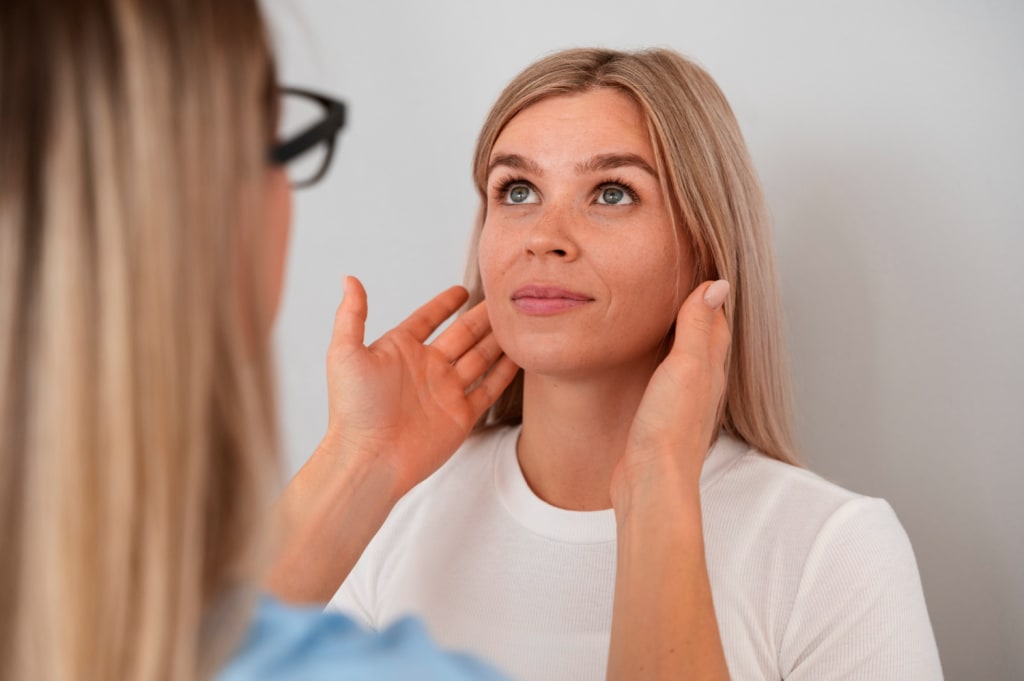
Facial volume changes are one of the most common concerns in aesthetic medicine, especially for clients over thirty. In Hobart, dermal fillers are a frequent solution for those wanting to restore definition to their cheeks, jawline, lips or temples without surgery. The question most people ask is simple: how long will it last?
Understanding the answer involves more than reading product labels. Duration varies widely between individuals. Factors like metabolism, skin health, lifestyle, and climate all influence how long a dermal filler Hobart result holds. For Hobart locals, where wind, UV and dry air are part of everyday life, these factors matter more than you think.
What Affects Dermal Filler Longevity?
Cheek contouring typically lasts longer than lip volumising because of one reason: movement. Lips are in near-constant use, meaning the product is broken down faster. In contrast, cheeks and temples see less motion, so the filler holds its shape and structure for longer. Jawline treatments sit somewhere in the middle, influenced by how expressive or tense the lower face is.
Everyday activity also plays a part. Someone who runs daily, talks for a living, or has high-stress facial tension will metabolise filler faster than someone with a slower pace and softer expression patterns. Even diet and hydration come into play. Skin that is consistently dehydrated will not support filler as effectively.
In Hobart, cold air, low humidity and sun exposure combine in a way that affects how hyaluronic acid-based fillers perform. Wind strips moisture, and UV breaks down collagen. Both make the skin less stable, and this instability can cause filler to break down sooner. People often assume indoor heating is harmless, but it can dehydrate the skin as well.
The Role of Skin Health in Hobart’s Climate
For fillers to integrate properly into tissue, the surrounding skin must be healthy. That means a strong barrier, balanced oil production, and minimal inflammation. When skin is compromised from over-cleansing, harsh actives, or UV damage, the result may look less even and fade sooner.
In Hobart, the skin’s barrier is often under stress. Many clients notice dry patches, flaking or tightness during winter. This is not just uncomfortable. It also makes cosmetic treatments less stable. Dermal fillers rely on well-functioning skin to sit evenly and last their full duration. Dry, damaged skin disrupts this process.
Hydration is key. So is barrier repair. A well-moisturised face holds volume better. Clients who use gentle, nourishing products typically enjoy longer-lasting filler results than those who overuse exfoliants or active ingredients.
Movement and Metabolism: Why Area Matters
Different zones of the face behave differently. Lips metabolise faster because they move constantly. Even smiling contributes to filler breakdown. This is why lip filler touch-ups are usually needed within 6 to 9 months. Cheek filler, by contrast, can last up to 18 months, sometimes longer.
The jawline has its own rhythm. It moves when speaking, eating, or clenching. For some, it’s a high-movement area, especially if there’s tension or bruxism. For others, it behaves more like the midface. The filler you receive will be matched to your anatomy and how your face functions every day.
At Heart Aesthetics Hobart, we assess each client’s expression habits before treatment. This allows us to choose product type, placement depth, and volume based on how the area behaves. A tailored approach is more effective than guessing based on average timelines.
Lifestyle Choices That Influence Filler Duration
Your daily habits matter. Sun exposure, alcohol, smoking, stress, diet, and exercise all influence how your body treats the filler material. For example, high UV exposure degrades both collagen and hyaluronic acid. Alcohol can increase inflammation, making the skin more reactive and less able to retain volume.
Sugar is another factor. A high-sugar diet contributes to glycation, which weakens collagen and elastin. For those wanting longer-lasting filler, reducing sugar intake can help keep the skin resilient. Hydration, on the other hand, supports hyaluronic acid—the base of most fillers—making it a smart focus post-treatment.
Sleep and stress matter too. When the body is under constant stress, healing slows down. This can affect how filler integrates into tissue. Clients who sleep poorly or have chronic stress may find that their results fade sooner. Supporting your nervous system and prioritising rest can improve both skin quality and filler performance.
Combining Skin Treatments to Support Results
At Heart Aesthetics Hobart, we often recommend combining dermal fillers with skin-strengthening treatments to improve both appearance and longevity. Skin needling, collagen stimulation, LED therapy, and tailored facials can all help stabilise the skin and protect your results.
LED light therapy can reduce inflammation and promote collagen. Skin needling thickens the dermis, making the skin a more stable structure for filler. Bio-stimulators, while not suitable for all areas, can also support tissue regeneration. These combinations do not replace filler, but they help it last longer by improving the canvas underneath.
Clients who follow a treatment plan that includes both volume and skin support tend to report more stable, longer-lasting outcomes.
Why You Shouldn’t Wait Until It’s Gone
Many people wait until their filler has completely worn off before booking their next treatment. This often leads to more product being needed to rebuild lost volume. A better approach is to top up just before the effects fully fade. This keeps the structure in place, supports collagen, and often uses less filler overall.
In Hobart, where the climate already puts skin under pressure, regular but minimal maintenance appointments can be more effective than waiting a year or more between sessions. Think of it like dental hygiene or fitness—consistency gives better long-term results.
At Heart Aesthetics, we track your treatment history and schedule check-ins based on your individual rate of product breakdown. This helps avoid the see-saw of fading and re-filling that some clients experience elsewhere.
Filler Type and Placement Are Key
Not all fillers are created equal. Some are designed for softness and flexibility. Others are firmer and more structural. In high-movement areas like the lips or marionette lines, we use soft, elastic fillers that move with the face. In the cheeks or chin, where lift is needed, we use firmer gels that hold shape.
Placement depth matters too. Injecting too superficially can lead to lumpiness or quicker dissipation. Placing product at the right depth and with the right technique allows it to integrate and stay stable. Our cosmetic nurses are trained in facial anatomy, allowing for safe, effective, and tailored placement every time.
Choosing the right filler is not about brand—it’s about matching material properties to the job. Your cheekbones don’t need the same filler as your lips. Your temples don’t behave like your jawline. Every face is unique, and our treatment plans reflect that.
Why Hobart Clients Need Tailored Advice
Hobart’s climate makes skin behave differently than in other parts of Australia. The air is drier, the winds are stronger, and the UV is high even on cool days. Skin here is often more sensitive, more dehydrated, and quicker to show signs of stress. All of this influences filler behaviour.
We see many clients from suburbs like Sandy Bay, Lenah Valley, and Kingston, each with different concerns but the same question: why didn’t my filler last as long as I expected? The answer is rarely simple. It’s usually a mix of product choice, skin health, environmental exposure, and timing.
We approach every new consult with those variables in mind. That way, the results last longer and look better.
How to Know When It’s Time for a Review
There’s no one-size-fits-all schedule, but if you’re starting to see hollowness return, volume softening, or changes in facial shape, it’s time for a review. You don’t need to wait until everything disappears. Booking a short consult allows us to check skin quality, filler behaviour, and design a plan that works for your lifestyle.
This approach reduces cost over time, keeps your results consistent, and avoids the peaks and troughs of letting it all fade before acting.
The Bottom Line for Dermal Filler Longevity in Hobart
Facial fillers can last a long time when placed correctly, cared for thoughtfully, and paired with the right skin support. But the climate in Hobart makes filler longevity a little more complex. It requires tailored planning, skin focus, and timely maintenance.
Whether you’re considering cheek contouring, jaw definition, or lip enhancement, knowing how to protect your results is as important as the treatment itself. At Heart Aesthetics Hobart, we focus on creating natural results that age well. Dermal fillers are not just about volume—they’re about balance, structure, and support that works with your skin, not against it.
To learn more about dermal filler in Hobart, or to book a review of your current results, contact our clinic today.
About the Creator
The Subtle Lift
Exploring the science, trends, and truths behind skin treatments in Australia — from wrinkle relaxers to skin needling. Unbiased insights, researched content, and real-world tips for those navigating the world of non-surgical aesthetics.
Keep reading
More stories from The Subtle Lift and writers in Blush and other communities.
Lip Filler Hobart
At Heart Aesthetics Hobart, lip filler treatments are designed to enhance lip volume, balance asymmetry, and restore youthful contour while maintaining your natural expression. Whether you want to define your lip bow, create a soft Cupid’s shape, or simply add subtle volume, we offer tailored lip filler solutions that reflect your personal aesthetic and facial structure.
By The Subtle Lift9 months ago in Blush
Korean Skincare Secrets: The Best Serums to Repair and Restore your Glow
You know that moment when your skin just looks tired, dull, uneven or not quite as radiant as it used to be? Trust me, we’ve all been there. Life happens, and our skin feels it in more ways than none. That effortless glow starts to fade, and suddenly your usual routine just isn’t doing enough.
By Good health to everyone5 days ago in Blush
Top tipple tricks
Been thinking a lot about drinking, lately. Not least because of a recent episode of over-indulgence and the inevitable after effects. Some readers may recall the earlier articles I wrote about beating the booze. Here I set out an experiment in techniques for cutting down on my alcohol intake. The experiment was successful, the techniques worked, and I have armed myself with an arsenal of weapons in the war against the demon drink. I have yet to fire the first round however. It's all a question of timing (perhaps procrastination).
By Raymond G. Taylora day ago in Psyche



Comments