
How does a fire alarm system work?
How does a fire alarm system work?
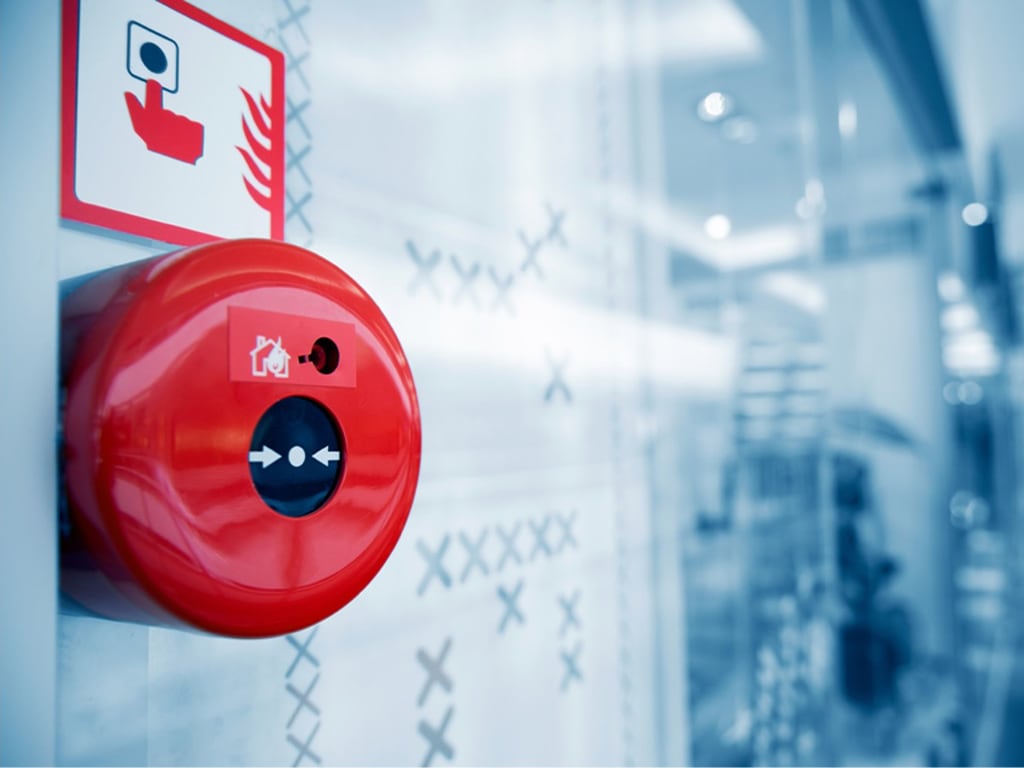
A fire alarm system is a lifeline in the event of a fire. It’s a complex network of interconnected devices designed to detect, signal, and control a fire emergency. While the concept might seem straightforward—a loud noise when there’s smoke—the technology behind it is sophisticated and crucial for safety.
The Core Components
A fire alarm system typically consists of several key components:
Initiating Devices: These are the sensors that detect fire conditions. They can be smoke detectors, heat detectors, flame detectors, or manual pull stations.
Control Panel: The central brain of the system. It receives signals from initiating devices, processes information, and activates alarms and other systems.
Notification Appliances: These devices alert people to a fire, such as horns, bells, strobes, or voice evacuation systems.
Power Supply: Ensures the system operates even during a power outage.
Auxiliary Systems: These can include fire suppression systems, elevator control systems, and HVAC systems.
How It Works: A Step-by-Step Breakdown
Detection:
Smoke Detectors: These use either ionization or photoelectric technology to detect smoke particles. Ionization detectors are more sensitive to fast-burning fires, while photoelectric detectors are better at detecting smoldering fires.
Heat Detectors: These respond to temperature increases and can be fixed temperature or rate-of-rise types.
Flame Detectors: These detect infrared or ultraviolet light emitted by flames.
Manual Pull Stations: These are activated by people to initiate an alarm.
Signal Transmission:
Once a fire condition is detected, the initiating device sends a signal to the control panel. This signal can be wired or wireless.
Control Panel Processing:
The control panel receives the signal and analyzes the information. It determines the type of alarm (fire, trouble, or supervisory), the location of the alarm, and the appropriate response.
Alarm Activation:
The control panel activates notification appliances, such as horns, bells, or strobes, to alert people in the building.
It may also trigger other systems, like fire suppression or elevator control.
Monitoring and Communication:
Some systems are monitored by a central station that receives alarm signals and dispatches emergency services.
Voice evacuation systems can provide clear instructions to occupants.
Types of Fire Alarm Systems
Conventional Systems: These older systems use simple wiring and are less expensive but offer limited information about the alarm source.
Addressable Systems: Each device in the system has a unique address, allowing for precise identification of the alarm source.
Analog Addressable Systems: These systems provide more detailed information about fire conditions, such as smoke density or temperature.
Maintenance and Inspection
Regular maintenance is crucial for ensuring the proper functioning of a fire alarm system. This includes:
Testing all components regularly.
Inspecting for damage or wear.
Replacing batteries in smoke detectors.
Conducting annual inspections and certifications.
Additional Features and Considerations
Fire Suppression Systems: These systems can be integrated with the fire alarm system to automatically release water, foam, or other extinguishing agents.
Elevator Control: Fire alarm systems can control elevator behavior during a fire, preventing people from becoming trapped.
HVAC Integration: The system can adjust HVAC settings to help contain smoke and heat.
False Alarms: These can be a problem, so systems often include features to reduce false alarms, such as sensitivity adjustments and delayed alarms.
Emergency Lighting: This is essential for evacuations and is often part of the fire alarm system.
A fire alarm system is a critical safety measure that can save lives and property. Understanding how it works can help you appreciate its importance and take steps to protect yourself and your community.
Conclusion
A fire alarm system is an indispensable safeguard for any building, from residential homes to towering skyscrapers. Its intricate network of sensors, control panels, and notification devices works tirelessly to detect, alert, and mitigate the dangers of fire. By understanding the components, operation, and maintenance of these systems, individuals, and organizations can significantly enhance fire safety.
Regular inspections, testing, and proper installation are paramount to ensuring the reliability of fire alarm systems. When functioning optimally, these systems provide invaluable early warning, facilitating timely evacuation and emergency response. Ultimately, a well-maintained fire alarm system is not just a device, but a vital component in preserving life and property.
About the Creator
Keep reading
More stories from Jane Smith and writers in Blush and other communities.
What is a realistic budget for a kitchen remodel?
The kitchen: the heart of the home, the battlefield of breakfast prep, the stage for culinary triumphs and late-night conversations. It's no wonder that many homeowners dream of a kitchen remodel, a chance to craft a space that reflects their personal style and elevates their everyday routines. But before diving headfirst into demo and dazzling backsplashes, the question of budget looms large.
By Jane Smith 2 years ago in Blush
Choose the Right Lipstick Shade for Your Skin Undertone
Choosing the right lipstick shade can completely transform a makeup look. While many people pick colors based on trends or personal preference, the most flattering lipstick usually depends on one important factor: your skin undertone. Understanding your undertone helps you select shades that naturally enhance your complexion rather than clash with it.
By Stories Today3 days ago in Blush




Comments (3)
Well detailed
Nice article
Thanks for sharing.