
How Do Solar Panels Work with Your Electric Bill?
How Do Solar Panels Work with Your Electric Bill?
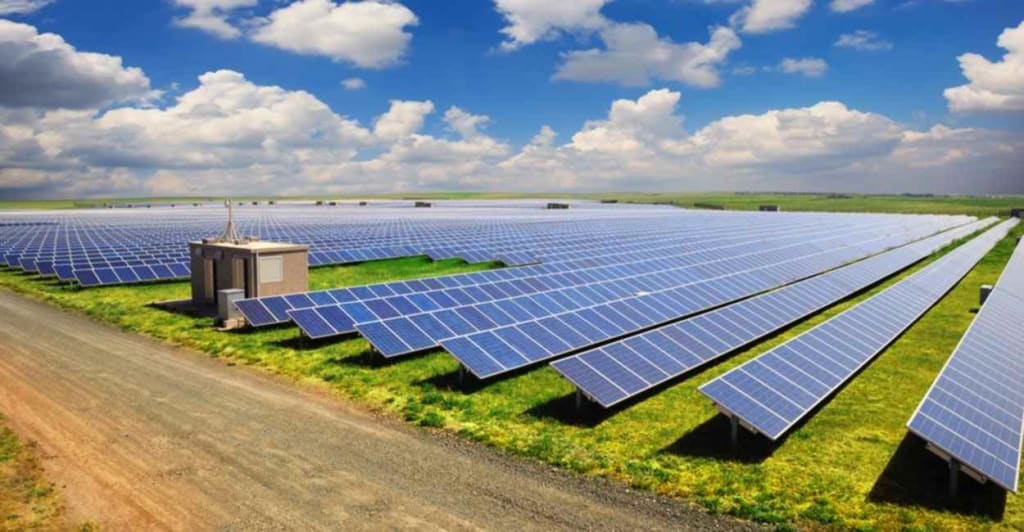
Switching to solar energy is an excellent way to reduce your monthly electricity costs while helping the environment. But how exactly do solar panels work with your electric bill? Understanding this relationship can help you make informed decisions about your energy consumption and potential savings.
1. Generating Electricity with Solar Panels
Solar panels are made up of photovoltaic (PV) cells that convert sunlight into electricity. When sunlight hits the PV cells, they generate direct current (DC) electricity. Since most homes use alternating current (AC) electricity, an inverter is needed to convert the DC into usable AC power.
2. How Solar Panels Offset Your Electric Bill
Once the solar panels generate electricity, your home can use it directly, reducing the need to pull energy from the grid. This can significantly lower your electric bill. When your solar system produces more energy than your home needs, that extra energy is sent back to the grid, which may result in energy credits.
3. Net Metering and Energy Credits
Net metering is a billing arrangement where your utility company tracks the amount of excess electricity your solar panels send to the grid. You earn credits for this surplus, which can be used to offset the energy you pull from the grid at night or on cloudy days. This process plays a key role in how solar panels work with your electric bill because it can lead to zero or even negative charges during certain billing cycles.
4. Understanding Your Solar Bill
Even with solar panels, you may still see an electric bill. This is typically due to:
Energy consumption beyond what your solar panels generate: If your panels don’t produce enough energy to cover all your usage, you’ll need to buy electricity from the grid.
Grid connection fees: Many utility companies charge a monthly fee for staying connected to the grid, even if your energy use is minimal.
The size of your system and local weather conditions will affect how much your electric bill is reduced by solar energy.
5. Maximizing Savings
To maximize savings, it’s essential to size your solar system correctly based on your household’s average energy usage. Regular maintenance of your panels will also ensure optimal efficiency.
Conclusion
So, how do solar panels work with your electric bill? Solar panels help reduce your reliance on the grid by generating electricity from sunlight. The more energy your panels produce, the less you need to buy from your utility company. With net metering, you can also earn credits for any excess electricity your system generates, further lowering your bill.
FAQs
1. How do solar panels reduce my electric bill?
Solar panels generate electricity from sunlight, which can be used to power your home. This reduces the amount of electricity you need to purchase from the grid, lowering your electric bill.
2. What happens to my electric bill if my solar panels produce more energy than I use?
When your solar panels produce excess electricity, it’s sent back to the grid. Through a system called net metering, you can earn energy credits that reduce your future electric bills.
3. Will I still receive an electric bill if I have solar panels?
Yes, you’ll still receive an electric bill, but it may be significantly reduced or even eliminated depending on how much energy your panels produce and your total usage. You might still owe a connection or service fee to your utility provider.
4. What is net metering, and how does it affect my electric bill?
Net metering is a billing system that credits solar energy system owners for the electricity they add to the grid. These credits can be used to offset the cost of electricity you pull from the grid when your solar panels aren’t producing enough energy.
5. Can solar panels eliminate my electric bill completely?
In some cases, solar panels can eliminate your electric bill, especially if they generate enough energy to cover your usage and if net metering is available. However, most people will still have a small bill due to fixed grid connection fees.
6. Do solar panels work with time-of-use (TOU) rates?
Yes, solar panels work with TOU rates. Solar energy generated during peak periods can offset high electricity costs, helping to reduce your bill even further.
7. How long does it take for solar panels to pay off in savings?
It typically takes 5 to 10 years for solar panels to pay off, depending on factors like your location, electricity rates, and the size of your solar system.
8. What happens to my solar savings during cloudy days or at night?
During cloudy days or nighttime, your solar panels may produce less or no energy. You will draw electricity from the grid during these times, but net metering credits can help offset these costs.
9. Will I need a special meter for solar panels?
Yes, if your utility offers net metering, they will install a bidirectional meter that can track both the electricity you use from the grid and the excess energy your solar panels send back.
10. How can I estimate my solar savings before installation?
You can estimate solar savings by calculating your average energy usage, your utility rates, and the potential output of a solar system based on your location. Many solar installers offer tools or calculators to help you estimate your savings accurately.
About the Creator
Keep reading
More stories from Jane Smith and writers in Blush and other communities.
What is the purpose of a bonding company?
A bonding company plays a critical role in various industries, particularly in construction, business, and legal services, by providing surety bonds. A surety bond is essentially a financial guarantee that ensures that specific obligations, such as completing a project or fulfilling a contract, are met. Bonding companies act as intermediaries, ensuring that a principal (the person or company required to be bonded) performs their obligations to the obliged (the person or entity receiving the service), with the bonding company covering any losses if the principal fails to meet those obligations.
By Jane Smith about a year ago in Blush
The Story of Tyler and Charlie
JOHN BROWN V. HITLER In a world often divided by prejudice and misunderstanding, the meeting of two seemingly opposing figures, Tyler and Charlie, became a pivotal moment in their lives. Tyler, known for his compassionate heart, found himself in a position that challenged his beliefs and values. Charlie, who had lived a life filled with controversy and conflict, represented a past that many wished to forget. Yet, in this extraordinary encounter, Tyler saw an opportunity for redemption and forgiveness that could transcend their differences.
By Organic Products 2 days ago in Blush




Comments (1)
Hey, just wanna let you know that this is more suitable to be posted in the FYI community 😊