
Handpicked Branding Ideas for Social Media Success
Standing Out in a Crowded Digital World

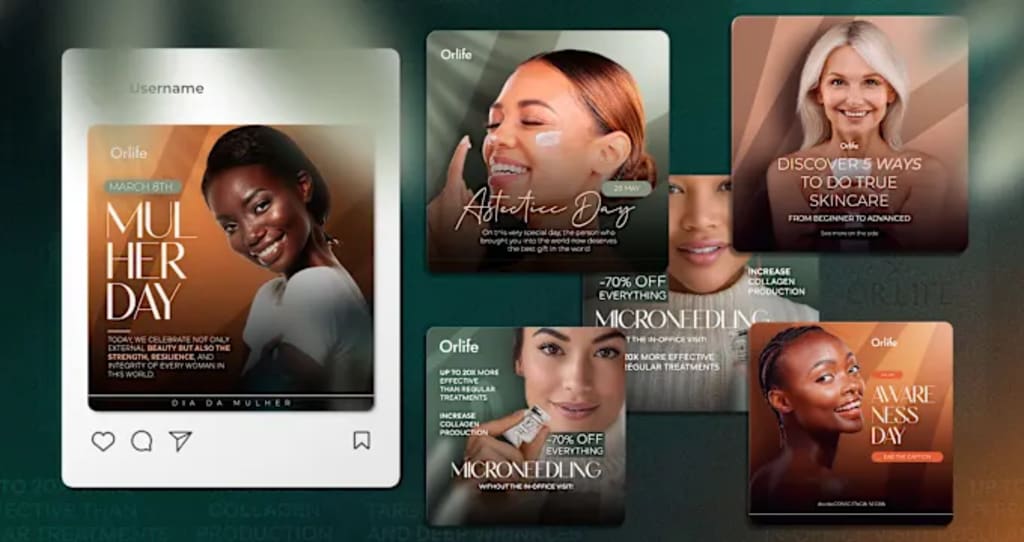
In the fast-paced digital world, social media design has become the cornerstone of brand success. Think about the last time you scrolled through Instagram or Facebook—what stopped you mid-scroll? Odds are, it was something visually striking. For businesses and personal brands alike, social media design isn't just about looking good; it's about creating an identity that resonates, engages, and converts.
In this blog post, we'll explore why social media design matters, key strategies to elevate your brand's visual presence, and actionable tips to make your content scroll-stopping. Whether you're a business owner, a freelancer, or just someone looking to build an online presence, this guide will help you level up your game.
Why Social Media Design Matters
First Impressions Count
Social media is often the first touchpoint between you and your audience. Within seconds of landing on your profile, users decide if they want to engage further. A cohesive and professional design immediately communicates credibility and trust. If your visuals look like an afterthought, potential followers might move on without a second glance.
Visual Content Drives Engagement
Studies show that posts with compelling visuals receive 94% more engagement than text-only posts. Whether it’s an eye-catching Instagram carousel, a Tik-Tok thumbnail, or a LinkedIn banner, great design grabs attention and keeps users invested in your message.
Brand Identity in Action
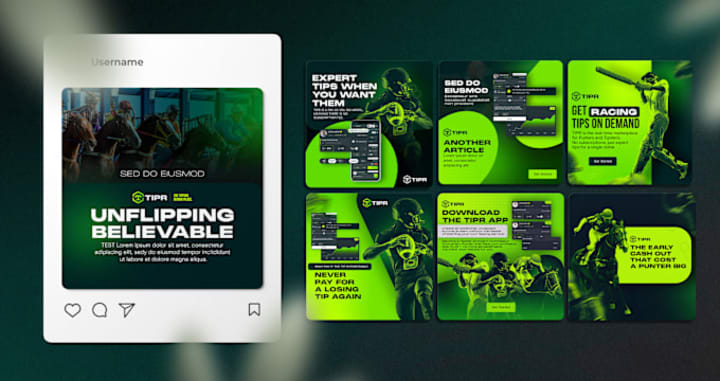
Your design isn't just decoration—it's the face of your brand. Fonts, colors, and layouts all work together to convey your brand's personality. Are you playful and bold? Sleek and professional? Relatable and approachable? Thoughtful social media design ensures your audience knows who you are before they read a single word.
The Foundations of Strong Social Media Design
1. Consistency Is Key
A unified visual identity across platforms fosters brand recognition. Here’s how to achieve it:
Logo Placement: Ensure your logo is subtly integrated into posts or story templates.
Brand Colors: Stick to a defined palette that reflects your brand's tone and values. For example, a tech company might lean towards cool blues, while a fashion brand could opt for bold reds.
Typography: Use the same fonts consistently across posts for a polished look.
2. Leverage Design Tools
Gone are the days when you needed a degree in graphic design to create professional visuals. Tools like Canva, Figma, and Adobe Express empower anyone to design like a pro. These platforms offer:
Ready-to-use templates tailored for social media.
Drag-and-drop features that simplify customization.
Access to stock images, icons, and elements that enhance your designs.
3. Understand Your Audience
Your designs should speak directly to your target audience. A Gen Z audience might resonate with bold graphics, animated GIFs, or memes, while a more corporate audience might appreciate clean, minimalist layouts. Research your audience’s preferences and design with them in mind.
Tips for Creating Scroll-Stopping Designs
1. Play with Bold Typography
When users are scrolling, they often only glance at posts. A strong, bold font can grab attention and drive your message home, even in just a few seconds. Combine bold headers with smaller, complementary subheadings to guide the viewer’s eye.
2. Use High-Quality Images
Blurry or pixelated visuals are an instant turn-off. Invest in high-resolution images or leverage stock photo platforms like Unsplash and Pexels. Better yet, create original content that showcases your product, team, or unique brand story.

3. Animate Your Content
Platforms like Instagram Reels and TikTok thrive on dynamic content. Use animations or transitions to make your posts pop. Even subtle motion effects on text or icons can make a static image more engaging.
4. Follow Trends Thoughtfully
Design trends like bold gradients, minimalism, or hand-drawn illustrations can make your brand feel current. However, avoid hopping on every trend—ensure it aligns with your brand's identity. For example, a finance brand adopting neon aesthetics might confuse its audience.
5. Optimize for Each Platform
Different platforms require different formats. An Instagram Story design won’t work as a Facebook banner, and a Pinterest pin won’t translate seamlessly to TikTok. Use platform-specific dimensions and tailor your designs to each audience.
Case Study: A Brand That Got It Right
Take Nike, for example. Their social media design is a masterclass in simplicity and impact:
Consistent Branding: Every post reflects their iconic "Just Do It" ethos, whether it's through bold typography, high-quality athlete photos, or their signature black-and-white palette.
User Engagement: Nike regularly shares user-generated content (UGC), giving their audience a chance to feel like part of the brand story.
Platform-Specific Design: Their TikToks are playful and fast-paced, while their Instagram posts are more polished and aspirational.
Nike’s success underscores the power of aligning visuals with brand values while tailoring content to each platform.
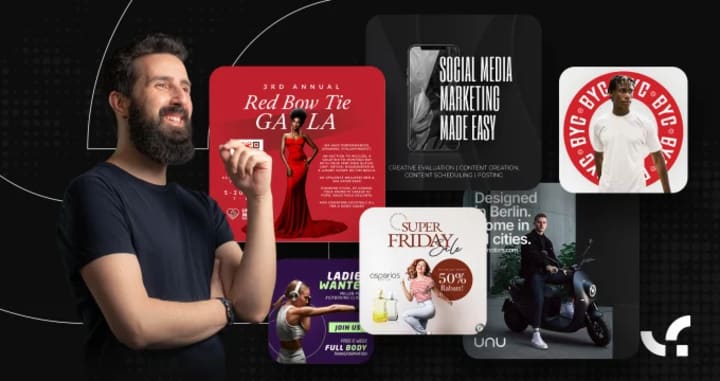
Mistakes to Avoid in Social Media Design
1. Overcrowding Your Posts
Too many elements can overwhelm your audience. Stick to a clean layout and let your message breathe. Remember, less is more.
2. Ignoring Mobile Optimization
More than 90% of social media users access platforms on their phones. Ensure your designs are mobile-friendly, with legible text and appropriately sized visuals.
3. Being Inconsistent
Inconsistent branding (e.g., switching colors, fonts, or styles) confuses your audience. Create a style guide to ensure consistency across posts.
4. Neglecting Accessibility
Designing for accessibility is crucial. Use high-contrast colors for better readability and include alt text for images to accommodate visually impaired users.
How to Keep Innovating
Social media design is a constantly evolving field. Here’s how to stay ahead:
Follow Designers and Agencies: Platforms like Behance and Dribbble showcase top-tier design inspiration.
Analyze Competitors: Take note of what your competitors are doing well (and not so well).
Test and Adapt: Use A/B testing to see which designs resonate best with your audience. Social media analytics can provide valuable insights into what's working.
Conclusion: Your Brand, Your Visual Story
Social media design is more than just pretty pictures—it’s a way to communicate, connect, and convert. By investing in thoughtful, cohesive designs, you can create a brand that not only stands out but also sticks in your audience's mind.
Start small. Choose a color palette. Experiment with templates. Learn what resonates with your audience. And most importantly, remember that design is a process of constant refinement.
Your brand’s visual story is waiting to be told—make it unforgettable.
About the Creator
Direct2u
Marketer & business promoter with expertise in driving growth for products and services. Specializing in digital marketing, brand strategy, and tailored campaigns that boost visibility, engage and deliver measurable results Click Link!!
Top 10 Hair Extension Brands to Consider in 2026
In the world of high-end beauty, hair extensions are more than just an accessory—they are a transformative tool for volume, length, and artistic expression. For salon owners and stylists, the brand you choose defines your reputation. For the consumer, it defines their confidence.
By Alex Morgan3 days ago in Blush
The Ritual of Winter Challenge Winners
Welcome to the Winners Announcement for The Ritual of Winter challenge. This prompt focused on winter rituals and the meaning that settles into them over time. The top pieces stay grounded in ordinary acts and repeated routines, letting winter shape the work through pace, attention, and restraint.
By Vocal Curation Team7 days ago in Resources




Comments
There are no comments for this story
Be the first to respond and start the conversation.