
From Frizzy to Silky: Taming Unruly Hair Naturally
Discover nature-powered remedies and routines to turn frizzy, dry hair into silky smooth strands without chemicals

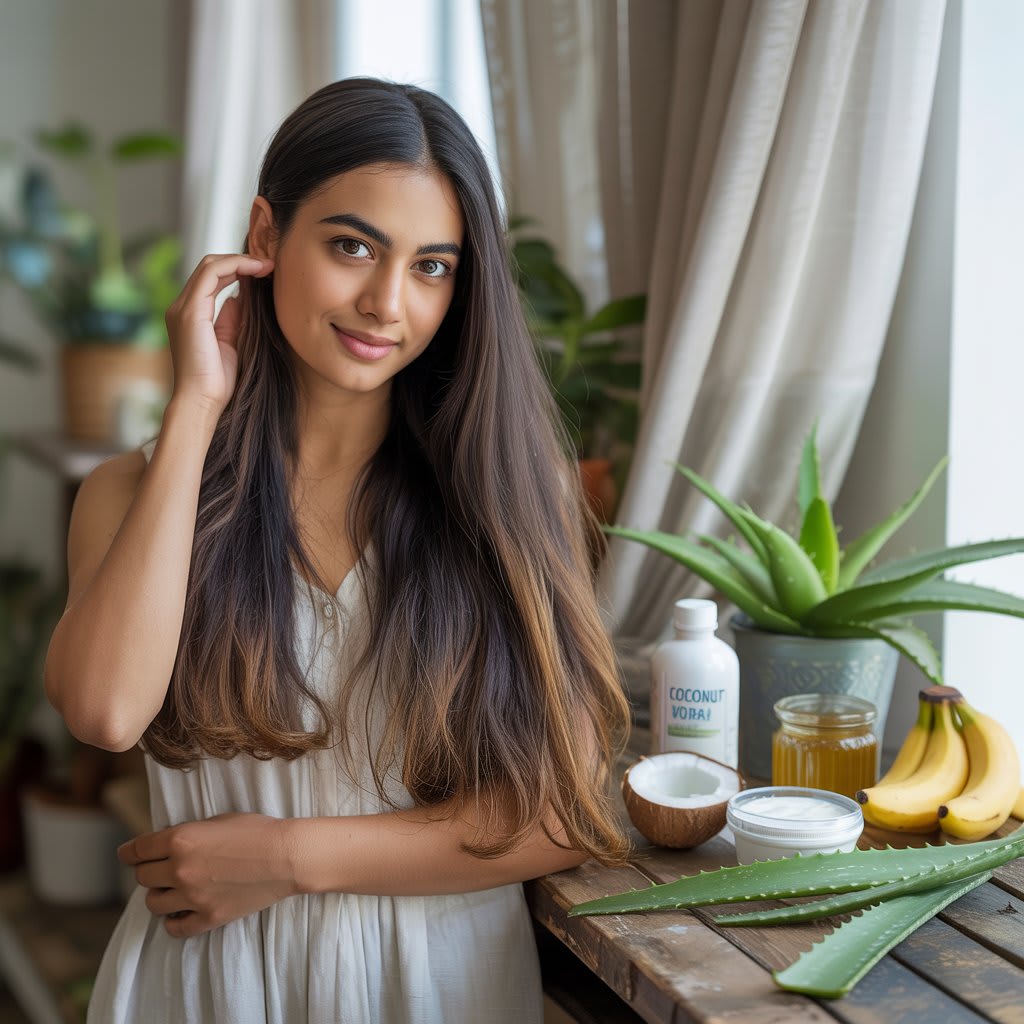
Frizzy hair can turn even the best hair day into a frustrating mess. Whether it’s caused by humidity, damage, or lack of moisture, the struggle is real for those trying to tame wild locks. But before you load up on chemical-based serums or expensive salon treatments, nature has already given you everything you need to smooth and soften your hair. With the right techniques and ingredients, you can go from frizzy to silky—naturally and effectively
Understanding the Root of Frizz
Frizz typically results when the hair's outer layer (cuticle) lifts and allows moisture from the air to enter the shaft. This causes the hair to swell and look puffy or wiry. Over-washing, excessive heat styling, harsh chemical treatments, and using alcohol-based products can worsen this issue. The first step toward managing frizz naturally is understanding what your hair needs—mainly moisture, protection, and gentle care
Switch to Sulfate-Free Shampoo
Sulfates strip natural oils from your scalp and hair, leaving it dry and frizzy. Opt for sulfate-free shampoos that gently cleanse without robbing your hair of its essential oils. Look for natural shampoos containing aloe vera, coconut milk, or argan oil. These ingredients help lock in moisture and maintain the natural pH balance of your scalp
Deep Conditioning with Natural Oils
Coconut oil, olive oil, and argan oil are deeply nourishing and help restore shine and softness to frizzy hair. Warm a tablespoon of your preferred oil and apply it from roots to tips. Cover your hair with a shower cap and leave it on for at least 30 minutes before rinsing. This deep-conditioning ritual once or twice a week will significantly reduce dryness and enhance manageability
Use Apple Cider Vinegar Rinse
Apple cider vinegar (ACV) helps to smooth the hair cuticle, reduce tangles, and add shine. Mix one part ACV with three parts water and use it as a final rinse after shampooing. It works to balance your scalp’s pH level, reducing frizz and boosting overall hair health. Don't worry—the smell disappears as your hair dries
Try Aloe Vera Gel as a Leave-In Conditioner
Aloe vera is a miracle plant when it comes to hydration. Apply a small amount of aloe vera gel (preferably fresh or organic) to damp hair. It acts as a natural leave-in conditioner, taming frizz while promoting softness and shine. Bonus: aloe also helps soothe scalp irritation and reduce dandruff
Banana and Honey Hair Mask
Bananas are rich in potassium and moisture, while honey is a natural humectant that attracts water. Blend one ripe banana with two tablespoons of honey and apply the mixture to your hair. Leave it on for 20–30 minutes, then rinse with cool water. This mask softens the strands and helps repair damaged hair cuticles
Avoid Heat Styling Tools
Frequent use of flat irons, curling wands, or blow dryers can severely damage hair, leading to persistent frizz. Embrace your natural texture and let your hair air dry as much as possible. If you must use heat tools, apply a natural heat protectant like argan oil or shea butter beforehand and use the lowest heat setting
Don’t Towel-Dry Aggressively
Rubbing your hair with a towel causes friction, which lifts the cuticle and leads to more frizz. Instead, gently squeeze excess water from your hair using a microfiber towel or an old cotton T-shirt. This method helps retain moisture and reduce breakage
Comb with Care
Avoid brushing your hair when it's dry—this increases frizz. Use a wide-tooth comb on damp hair and always detangle from the ends up to prevent damage. For curly or coily hair types, finger-detangling can work better and maintain curl definition
Eat for Hair Health
Your diet plays a big role in hair texture and strength. Include foods rich in omega-3 fatty acids, vitamins A, E, and C, and biotin. Avocados, nuts, seeds, eggs, and leafy greens help promote scalp health and reduce dryness, which in turn reduces frizz naturally
Sleep on Silk or Satin
Cotton pillowcases absorb moisture and create friction as you sleep. Switching to silk or satin pillowcases helps your hair retain its natural oils, reduces frizz, and prevents split ends. Alternatively, you can wrap your hair in a silk scarf at night for the same benefit
Hydration Is Key
Frizzy hair is often dehydrated hair. Make sure you’re drinking enough water daily to keep your strands hydrated from within. Also, use a hydrating spray made of rosewater or chamomile tea to refresh your hair during the day without using harsh products
Rosemary and Hibiscus Hair Rinse
Boil a few hibiscus petals with rosemary leaves in water and let it cool. Use this infusion after shampooing to stimulate the scalp, soften the hair shaft, and reduce frizz. Hibiscus adds luster while rosemary strengthens the roots
Less Washing, More Moisturizing
Washing your hair every day strips away its protective oils. Try washing 2–3 times a week, depending on your hair type. In between washes, apply a lightweight natural moisturizer like jojoba oil or a homemade shea butter blend to tame flyaways and hydrate the ends
Final Words: Embrace Your Hair’s Natural Beauty
Taming frizz doesn’t require a cabinet full of chemical products. By switching to gentle, natural hair care methods and sticking to a consistent routine, you’ll notice your hair becoming more manageable, shinier, and silkier over time. The key is patience and consistency—nature always works best when given time
Note: This article was created with the assistance of AI (ChatGPT), then manually edited for originality, accuracy, and alignment with Vocal Media’s guidelines.
About the Creator
The Blush Diary
Blending romantic tales with beauty secrets—each story a soft whisper of love, each tip a gentle glow. Step into the enchanting world of The Blush Diary and don’t forget to subscribe for more! 🌹
Keep reading
More stories from The Blush Diary and writers in Blush and other communities.
Lipstick Shades That Perfectly Complement Your Skin Tone
Choosing the right lipstick shade can completely transform your appearance. From brightening your smile to enhancing your natural glow, the perfect lip color brings out your best features. However, with thousands of shades available—from subtle nudes to bold reds—finding the right one for your skin tone can feel overwhelming. The secret to selecting the perfect lipstick lies in understanding your skin tone and undertone. Once you’ve identified these, you can confidently shop for lipstick that highlights your natural beauty. This guide breaks down how to find your skin tone, recognize your undertones, and pick the lipstick shades that will make your lips pop.
By The Blush Diary6 months ago in Blush
The Story of Tyler and Charlie
JOHN BROWN V. HITLER In a world often divided by prejudice and misunderstanding, the meeting of two seemingly opposing figures, Tyler and Charlie, became a pivotal moment in their lives. Tyler, known for his compassionate heart, found himself in a position that challenged his beliefs and values. Charlie, who had lived a life filled with controversy and conflict, represented a past that many wished to forget. Yet, in this extraordinary encounter, Tyler saw an opportunity for redemption and forgiveness that could transcend their differences.
By Organic Products 4 days ago in Blush


Comments
There are no comments for this story
Be the first to respond and start the conversation.