
Face Primers: The Real Secret to Long-Lasting, Flawless Makeup
What are Face Primers and How to Choose The Right Primer for You

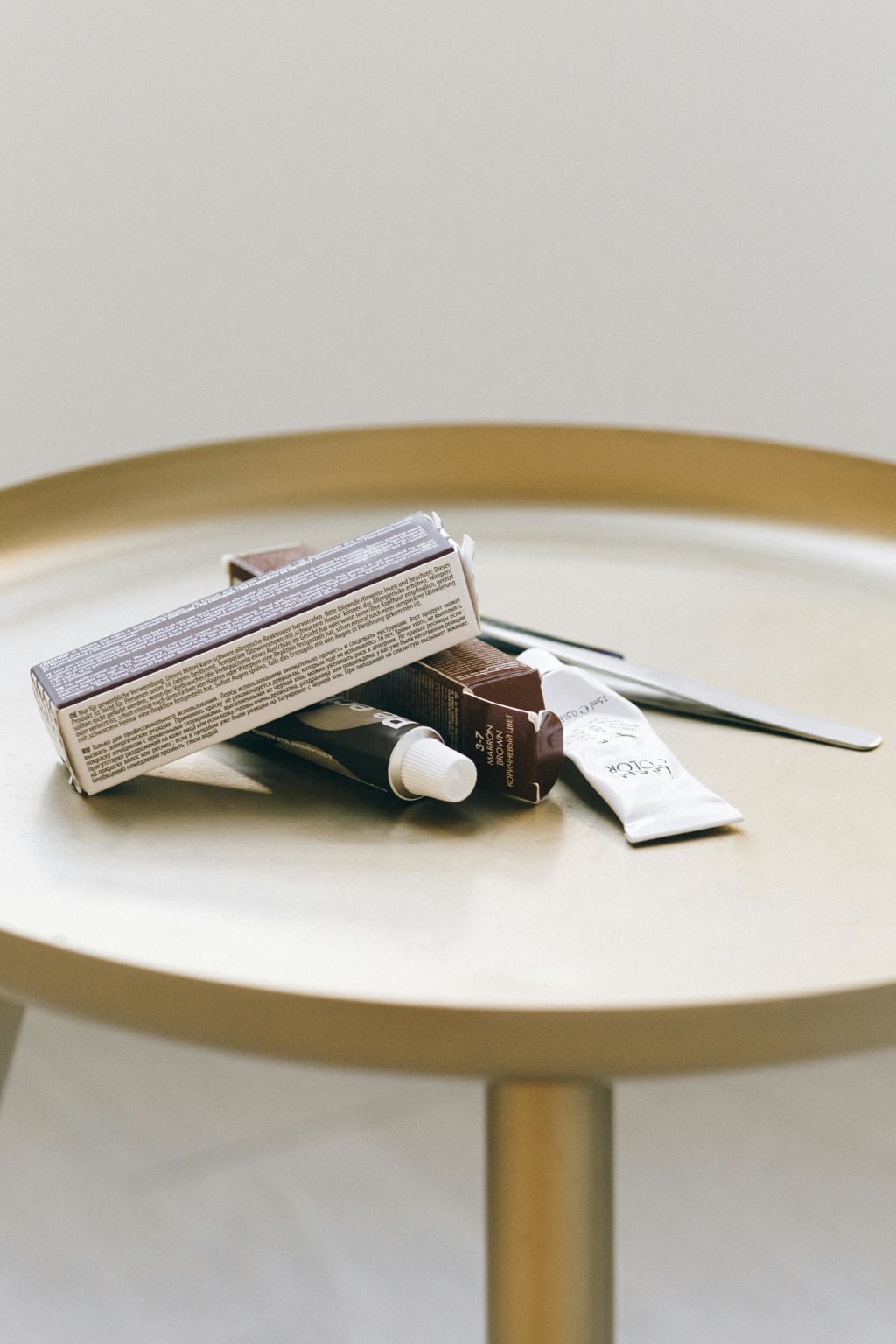
A primer can completely transform your makeup routine. It smooths the skin, helps foundation stay longer, and creates the perfect base for any look.
Whether you prefer a matte finish or a soft glow, the right face primer bridges skincare and makeup for results that last all day.
What Does a Primer Actually Do?
A face primer acts as a bridge between skincare and makeup. It prepares the skin, fills in fine lines, and smooths out uneven texture so that you can apply foundation or powder effortlessly.
Modern primers often contain skincare ingredients like hyaluronic acid, niacinamide, or vitamin C. These additions make it easier to apply makeup and also help improve skin health over time.
When applied correctly, this makeup essential can make your foundation or powder look more natural and help it last longer, even in humid weather.
Choosing the Right Primer for Your Skin Type
Consider your skin type if you're buying a primer. If you have oily skin, look for mattifying or pore-filling products that control shine without drying the skin.
On the other hand, dry skin benefits from hydrating primers that contain glycerin, hyaluronic acid, and other moisturizing ingredients to lock in moisture.
Choose silicone-free or non-comedogenic primers with soothing properties if you have sensitive skin. Combination skin often works best with lightweight, balanced formulas that smooth the T-zone while hydrating the cheeks.
Matching your primer to your skin type makes a big difference in both comfort and results throughout the day.
The Top Primer Types and Their Key Benefits
There are several kinds of primers, each with its own purpose.
● Hydrating primers add moisture and help makeup blend smoothly, perfect for dry or mature skin.
● Mattifying primers reduce shine and prevent makeup from sliding off in humid weather.
● Pore-filling primers blur enlarged pores, giving skin a soft-focus finish.
● Illuminating primers add a healthy glow and revive dull skin tones.
● Color-correcting primers even out redness, sallowness, or discoloration.
You can mix two types of primers to customize your look.
How to Apply Primer Like a Pro
The way you apply your primer makes a real difference. Here are the basic steps:
1. Clean and moisturize your skin.
2. Take a small, pea-sized amount of primer and apply it with your fingertips, focusing on areas where makeup tends to fade or crease, such as the nose, forehead, and chin.
3. Gently pat it in rather than rubbing to help it bond with your skin.
4. Allow the primer to set before applying your foundation.
Remember to avoid using too much product; a thin, even layer looks best and prevents your foundation from sliding or pilling in certain areas of your face.
Mistakes to Avoid When Using a Primer
Here are some mistakes to avoid when applying a primer:
● Applying the primer immediately after moisturizing. Give your skin time (at least a minute) to absorb the moisturizer before using the primer.
● Applying too much primer. This can lead to patchiness or make your foundation peel.
● Pairing the wrong primer with your foundation. Water-based foundations work best with water-based primers, while silicone-based formulas should be used together for a seamless finish.
FAQs
Read below to get more tips for using a primer:
1. Can I use a primer every day?
Yes. A lightweight, non-comedogenic primer is suitable for daily wear. It can protect your skin from pollution and help your makeup stay even throughout the day.
2. Does a primer replace moisturizer?
No. A primer prepares the surface for makeup, while a moisturizer keeps the skin hydrated. Always use moisturizer first, let it sink in, then apply primer.
3. What’s the best primer for hot or humid weather?
Go for long-wear, mattifying primers labeled as sweat-resistant or oil-control. These keep makeup from melting or sliding in high temperatures.
4. What’s the best primer for oily skin in humid climates?
If you have oily skin and live in a humid place, a lightweight, mattifying primer that controls oil without clogging pores is your best option. Gel-based or silicone-free options are ideal because they absorb excess sebum and prevent makeup from sliding off in high humidity.
5. Can an illuminating primer help with dull skin?
Yes. Illuminating primers contain light-reflecting particles that give skin a fresh, radiant glow. They’re great for tired or uneven complexions and can be used under or mixed with foundation for a dewy finish.
6. Can I use a primer with SPF instead of sunscreen?
Some primers include SPF, but they don’t always provide enough protection on their own. It’s better to use a dedicated sunscreen first, then apply your primer once it’s absorbed.
A Simple Step for a Flawless Finish
A primer is a small step with big results. It smooths, hydrates, or mattifies the skin depending on your needs and helps your makeup last longer in any condition.
Once you find your ideal formula and learn how to use it correctly, your makeup will look fresher, more polished, and more comfortable all day long.
About the Creator
The Everyday Edit
The Everyday Edit is your go-to for smart choices, cozy spaces, and healthy stylish living. From wellness tips and parenting wins to home hacks and fashion finds, we help make everyday life feel curated, calm, and anything but ordinary.
Keep reading
More stories from The Everyday Edit and writers in Blush and other communities.
Shop Smart: 5 Ways to Get the Best Value Online
A penny saved is supposed to be a penny earned, or in the United Arab Emirates, a dirham saved is a dirham earned. If you agree, read on. This article will provide you practical tips that will let you maximize your savings when shopping online.
By The Everyday Edit4 months ago in Styled
Magazine Dreams: A Powerful Psychological Drama About Obsession, Identity, and the Pursuit of Recognition
In recent years, psychological character studies have become an important part of modern cinema. Films that focus on the inner struggles of individuals often reveal more about human nature than traditional narratives centered on action or spectacle. One such film is Magazine Dreams, a psychological drama written and directed by Elijah Bynum.
By Backlinks Cart5 days ago in Blush
Type of Support Required For Mental Health Of celebrities
The lives of celebrities are often viewed through the lens of glamor, fame, and fortune, but beneath the surface, many face challenges related to mental health that go unnoticed or unaddressed. The pressures of constant public scrutiny, overwhelming work schedules, and personal sacrifices can take a significant toll on their emotional well-being. As a result, maintaining mental health for celebrities requires a multifaceted approach, involving various types of support systems and coping mechanisms. In this article, we will explore the different types of support that are crucial for preserving the mental health of celebrities, ensuring they can navigate the demanding world of fame while fostering personal well-being.
By Ibrahim Shah 6 days ago in Blush
Becca
"Everything is so... flat." Denille said stupidly as she looked around her new neighborhood. She looked around at the muted desert where even the smallest sign of life seemed to have given up. The plant life was shrubs that were half cooked by the heat and where there should have been a lawn, a mess of white rocks laid glistening in the sun. Even the sky looked stretched thin, like the sun had ironed it smooth. She’d moved from Riverside, where at least there were hills, but here in Barstow, everything felt baked and brittle.
By Sara Wilson8 days ago in Fiction




Comments