
Dermarolling at Home: Safe Tips for Youthful Skin
A beginner’s guide to microneedling safely and effectively for smoother, firmer, and glowing skin

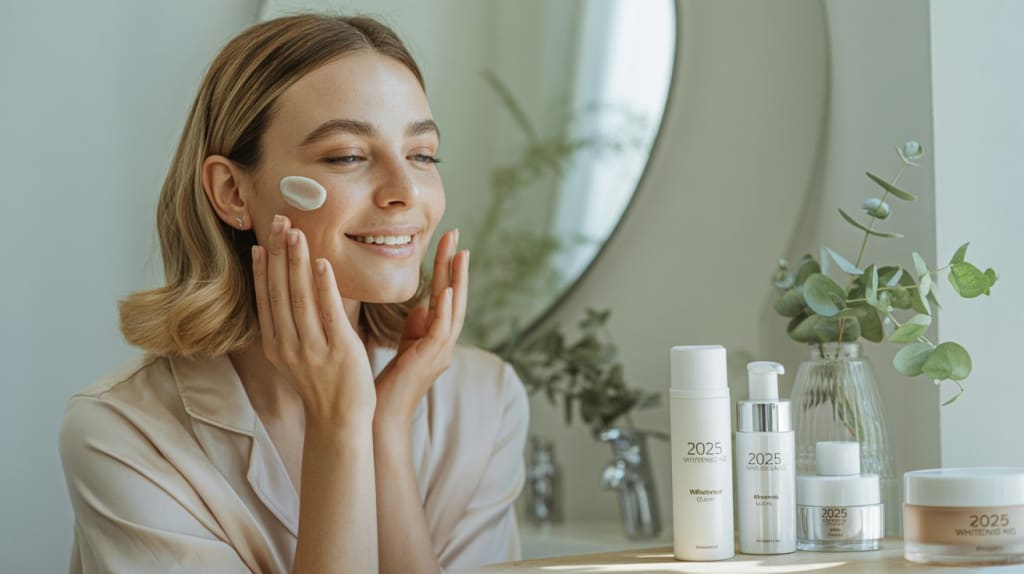
Want firmer, younger-looking skin without stepping into a clinic? That’s where dermarolling comes in. Also known as microneedling, this at-home skincare technique is quickly becoming a favorite among beauty enthusiasts, influencers, and even dermatologists. With the right tool and technique, you can boost collagen, reduce fine lines, and improve skin texture from the comfort of your own bathroom. But while dermarolling is highly effective, it requires knowledge, care, and hygiene. Done wrong, it can irritate your skin or lead to infections. Done right, it can completely transform your skincare game. Here’s everything you need to know about dermarolling at home—and how to do it safely for youthful, radiant results.
Dermarolling involves a handheld device covered in hundreds of tiny needles that create microscopic punctures in the skin. These controlled injuries trigger your skin’s natural healing response, boosting collagen and elastin production. The result is firmer skin, fewer wrinkles, and a more even tone. It also enhances the absorption of skincare products, making your serums and moisturizers more effective. Many people use dermarolling to address acne scars, fine lines, sun damage, and even stretch marks. But before you start rolling, it’s important to choose the right tool.
Not all dermarollers are created equal. For home use, stick to needle lengths between 0.25mm and 0.5mm. These are safe for beginners and effective for boosting product absorption and improving skin tone. Anything longer should only be used by professionals. Look for a quality roller with titanium or stainless-steel needles, as these are durable and more hygienic. Replace your roller after 10–15 uses to prevent dull needles and bacterial buildup.
Before you roll, cleanse your skin thoroughly to remove dirt, makeup, and oils. Use a gentle, non-exfoliating cleanser and pat dry with a clean towel. Disinfect your dermaroller by soaking it in 70% isopropyl alcohol for at least 10 minutes and letting it air dry. This step is crucial to prevent infections. Never skip it. Once your skin and roller are clean, you’re ready to start rolling.
Divide your face into sections: forehead, cheeks, nose, chin, and neck. Hold your skin taut with one hand, and gently roll the dermaroller back and forth 4–5 times in each direction—vertically, horizontally, and diagonally. Use light pressure. You shouldn’t be drawing blood or feeling intense pain. A slight redness is normal, but if your skin feels raw or damaged, you’re pressing too hard. Avoid sensitive areas like under your eyes or active breakouts. Always sanitize your roller again after each use, and store it in a clean case.
After dermarolling, your skin will be extra sensitive and ready to soak in active ingredients. Apply a soothing serum with hyaluronic acid to hydrate and calm the skin. Avoid products with fragrances, alcohol, or active ingredients like retinol or acids immediately after rolling, as they can cause irritation. Finish with a gentle moisturizer and avoid makeup for 24 hours. Your skin is healing—let it breathe.
The best time to dermaroll is at night, giving your skin time to recover while you sleep. Limit dermarolling to once a week if using a 0.25mm roller, and every 2–3 weeks if using 0.5mm. Overdoing it can damage your skin and delay healing. Always wear sunscreen daily, especially in the days following a session, as your skin will be more vulnerable to sun damage.
With consistent use over 2–3 months, you’ll likely notice smoother texture, brighter tone, and reduced appearance of fine lines or scars. But results aren’t instant. Dermarolling is a long-term commitment. Stick to a schedule, pair it with quality skincare, and treat your skin with care.
Dermarolling isn’t for everyone. Avoid it if you have active acne, rosacea, eczema, or open wounds. Also avoid it if you’re prone to keloid scars or taking blood-thinning medications. If you’re unsure, consult a dermatologist before starting. It’s always better to be safe than sorry, especially with tools that puncture the skin.
One of the biggest mistakes people make with dermarolling is poor hygiene. Never share your roller, and never skip sanitizing it. Using dirty tools can introduce bacteria and lead to breakouts or infections. Keep your roller clean, your hands washed, and your skincare products free from contamination.
The beauty of dermarolling is that it’s simple but powerful. A few minutes a week can lead to long-term improvements in skin firmness, tone, and texture. And with the right precautions, it’s safe for most skin types. Just remember—consistency and patience are key. Think of it as a fitness routine for your skin. The more you commit, the better the results.
If you want to level up your dermarolling routine, consider pairing it with calming masks, LED therapy, or antioxidant-rich serums. But always introduce new products gradually and monitor how your skin responds. Everyone’s skin is different. What works for one person may not work for another.
Ultimately, dermarolling is more than a trend—it’s a science-backed method that empowers you to take charge of your skin’s health at home. With care, knowledge, and good hygiene, it can become a game-changing part of your beauty ritual. Your skin deserves it.
Have you tried dermarolling at home? What were your results—and what tips do you swear by for safe, glowing skin? Share your experience and let others learn from your journey to youthful, radiant skin.
Note:
This article was created with the assistance of AI (ChatGPT), then manually edited for originality, accuracy, and alignment with Vocal Media’s guidelines.
About the Creator
The Blush Diary
Blending romantic tales with beauty secrets—each story a soft whisper of love, each tip a gentle glow. Step into the enchanting world of The Blush Diary and don’t forget to subscribe for more! 🌹
Keep reading
More stories from The Blush Diary and writers in Blush and other communities.
Viral TikTok Beauty Hacks That Actually Work
TikTok has completely transformed the beauty industry. In just a few swipes, you're likely to stumble across tutorials, hacks, and product demos that promise dramatic results using simple tools and techniques. While many viral beauty trends are more hype than help, some actually work—and they work well. With millions of views and countless recreations, certain TikTok beauty hacks have proven themselves worthy of the spotlight. Whether you’re a skincare minimalist or a full-glam enthusiast, these are the TikTok trends that are both fun and functional.
By The Blush Diary8 months ago in Blush
Safe & Hygienic Brows in Atlanta: What Clients Should Know
Getting permanent brows can be a life-changing beauty decision. Whether you choose combination brows, microblading, or ombré powder brows, safety and hygiene must be your priority. This is because these procedures that involve depositing pigment into the skin, genuine sanitation, and professional standards are needed to protect your health and achieve the best results.
By Milla Rosen7 days ago in Blush
A Knight of the Seven Kingdoms Series Review (Season 1)
As one of the biggest properties in fantasy, A Song of Ice and Fire remains immensely popular with audiences. After reaching far into the past with House of the Dragon, a second spin-off was on the cards. A Knight of the Seven Kingdoms serves up a bite-sized slice of action and drama, but it still claims a spot among the best small-screen titles.
By Robert Cain7 days ago in Geeks



Comments
There are no comments for this story
Be the first to respond and start the conversation.