
Body Positivity in the Digital Era
Celebrating Unfiltered Confidence and Breaking the Mold of Unrealistic Beauty Standards


The digital era has transformed the way we see, think, and feel about our bodies. With a swipe of a finger, we are bombarded by thousands of images, each portraying a version of beauty that is often filtered, edited, and far from reality. Social media platforms like Instagram, TikTok, and Snapchat are now the modern mirrors reflecting who we are—or rather, who society thinks we should be. But amid the filters, lighting, and curated perfection, a powerful movement has emerged: Body Positivity. This movement challenges unrealistic beauty norms and urges individuals to embrace their bodies in all shapes, sizes, colors, and abilities.
The concept of body positivity in the digital age is not just a passing trend. It’s a cultural shift—a rebellion against decades of rigid standards that have marginalized countless individuals. From plus-size models breaking the fashion industry ceiling to influencers flaunting scars, stretch marks, and skin conditions with pride, the narrative is changing. And it's about time. Beauty should never be boxed into a single definition. Diversity is what makes us human, and diverse beauty in the digital world is finally finding its voice.
One of the most significant catalysts in this movement is representation. For years, mainstream media showcased a narrow type of beauty: thin, tall, light-skinned, and often Eurocentric. But digital platforms democratized visibility. Now, individuals who once felt invisible are being seen, heard, and celebrated. Women with vitiligo, men with prosthetics, non-binary individuals with unique features—all are using their platforms to share their stories, dismantle stigma, and build communities centered on acceptance and self-love.
The rise of hashtags like #BodyPositivity, #EffYourBeautyStandards, and #CelebrateMySize has amplified these voices. These tags are not just digital trends; they are declarations of freedom. They allow people from all corners of the world to connect, relate, and empower one another. It's no longer about fitting in—it's about standing out and embracing authenticity. In a world obsessed with perfection, embracing imperfections has become the new revolution.
However, the journey towards digital body positivity is not without challenges. While many influencers and creators use their platforms to spread confidence, others continue to perpetuate harmful ideals. Face-slimming filters, waist-cinching apps, and comparison-driven content are still prevalent. These tools silently feed into the narrative that we are not enough as we are. The danger lies in the subconscious: when we constantly see “ideal” bodies online, we begin to measure our worth based on impossible standards.
This is where media literacy and mental health awareness come into play. Educating ourselves about the illusion of perfection online is crucial. Most viral posts are edited, staged, and carefully curated. What we see is often not real. Promoting this awareness, especially among teenagers and young adults, is essential for fostering a generation that values self-worth over social validation. Schools, parents, and platforms must collaborate to nurture digital environments that are safe, inclusive, and mentally healthy.
Another key element in this movement is body neutrality, a concept closely tied to body positivity. While positivity encourages love for one's body, neutrality focuses on accepting your body as it is, without attaching worth to appearance. Some days, you might not feel beautiful—and that’s okay. Body neutrality allows space for those feelings without shame. It acknowledges that our bodies are instruments, not ornaments. This mindset helps reduce the pressure to always feel attractive, and instead, promotes gratitude for what our bodies do for us daily.
Celebrities and public figures have also contributed significantly to this shift. Lizzo, for example, proudly flaunts her curves and speaks openly about loving herself despite industry criticism. Jameela Jamil uses her platform to call out toxic diet culture and advocate for natural beauty. These role models show that confidence is not reserved for those who meet conventional standards. Confidence is for everyone. And when public figures speak out, they inspire millions to do the same.
Fashion brands are beginning to catch on as well. Companies like Aerie, Savage X Fenty, and Chromat are leading the charge by featuring models of all sizes, ethnicities, and abilities. These brands recognize that consumers want to see people who look like them. By normalizing different body types in advertising, they help dismantle the long-standing monopoly of one-dimensional beauty. The result is not only more inclusive media but also more confident and loyal customers.
But body positivity isn’t just about size—it’s about every facet of physical identity. Skin conditions like acne, eczema, and psoriasis are being openly discussed and shown. Hair loss, aging, birthmarks, and body hair are no longer hidden but highlighted as part of real beauty. Even topics like postpartum bodies and gender-affirming surgeries are entering mainstream conversation. This broad scope of inclusion proves that beauty is a personal journey, and each journey is valid.
Despite the progress, it’s important to recognize that not everyone experiences body positivity the same way. Intersectionality plays a vital role. A plus-size white woman may be celebrated for her curves, while a plus-size Black woman may be criticized for the same traits. Cultural, racial, and socio-economic backgrounds influence how people perceive and experience beauty. That’s why intersectional advocacy is essential. We must ensure the movement doesn’t just uplift some while ignoring others.
As we move further into the digital age, technology will continue to evolve. Augmented reality, virtual influencers, and AI-generated beauty are becoming the new frontier. This raises complex questions: Will these tools help promote inclusivity, or will they reinforce old standards in new forms? It's up to creators, developers, and consumers to decide. We must use technology to uplift, not diminish. We must demand transparency and authenticity from digital spaces. The tools may be digital, but the impact on self-esteem is very real.
Parents and educators have a role too. Teaching children that beauty is diverse from a young age can reshape future generations. When children grow up seeing people who look like them celebrated on screen and online, they develop healthier self-images. Body positivity should be embedded in school curriculums, media policies, and family conversations. Representation should not be revolutionary—it should be the norm.
The beauty industry itself is slowly adapting. Brands are being held accountable. Consumers are demanding transparency, inclusivity, and realness. Influencers who edit their pictures or promote toxic products are being called out. And those who stay authentic are being elevated. It's a shift in power. The audience is no longer passive—we are active participants shaping the narrative of beauty in the digital space.
In addition, the rise of mental health advocacy alongside body positivity has been empowering. Body image issues are deeply connected to mental health. Depression, anxiety, eating disorders—all can stem from poor self-image fueled by digital comparison. By addressing both together, we create holistic healing. Therapy, support groups, and online communities are helping individuals reclaim their sense of self.
Digital detoxes are also becoming popular as people try to disconnect from harmful content and reconnect with their real selves. Limiting screen time, unfollowing toxic accounts, and engaging with uplifting communities are simple yet effective ways to foster self-love. Social media should inspire, not degrade. If your feed makes you feel unworthy, it’s time to change it.
Ultimately, body positivity in the digital era is about freedom. Freedom to love your body. Freedom to show up as your true self. Freedom to define your own beauty. It’s not about shaming others or enforcing new standards. It’s about opening the door for everyone to be seen, valued, and respected.
This movement is not perfect, and there is still work to be done. But every post, every story, every voice matters. You matter. And your body, just as it is right now, is worthy of love and celebration.
Let us be the generation that leaves behind body shame and embraces self-acceptance. Let us use our screens to amplify real beauty, not fabricated illusions. Because in the end, the most attractive thing a person can be is unapologetically themselves.
Note:
This article was created with the assistance of AI (ChatGPT), then manually edited for originality, accuracy, and alignment with Vocal Media’s guidelines.
About the Creator
Lana Rosee
🎤 Passionate storyteller & voice of raw emotion. From thoughts to tales, I bring words to life. 💫
Love my content? Hit Subscribe & support the journey! ❤️✨
Keep reading
More stories from Lana Rosee and writers in Blush and other communities.
Skin Rejuvenation Treatments in 2025
In 2025, the pursuit of glowing, youthful skin continues to drive innovation in dermatology and aesthetics. With technology advancing rapidly, skin rejuvenation treatments have become more effective, accessible, and tailored to individual needs. Whether you're targeting fine lines, sun damage, uneven texture, or simply want to enhance your skin's natural glow, there are a variety of cutting-edge treatments designed to help you achieve flawless skin.
By Lana Rosee8 months ago in Blush
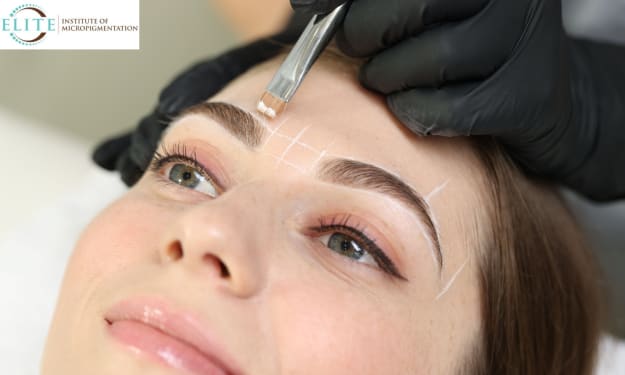
Safe & Hygienic Brows in Atlanta: What Clients Should Know
Getting permanent brows can be a life-changing beauty decision. Whether you choose combination brows, microblading, or ombré powder brows, safety and hygiene must be your priority. This is because these procedures that involve depositing pigment into the skin, genuine sanitation, and professional standards are needed to protect your health and achieve the best results.
By Milla Rosen7 days ago in Blush



Comments
There are no comments for this story
Be the first to respond and start the conversation.