
Blushing Beauty: The Art and Science of the Perfect Flush
Exploring the History, Application, and Impact of Blush in Makeup and Culture
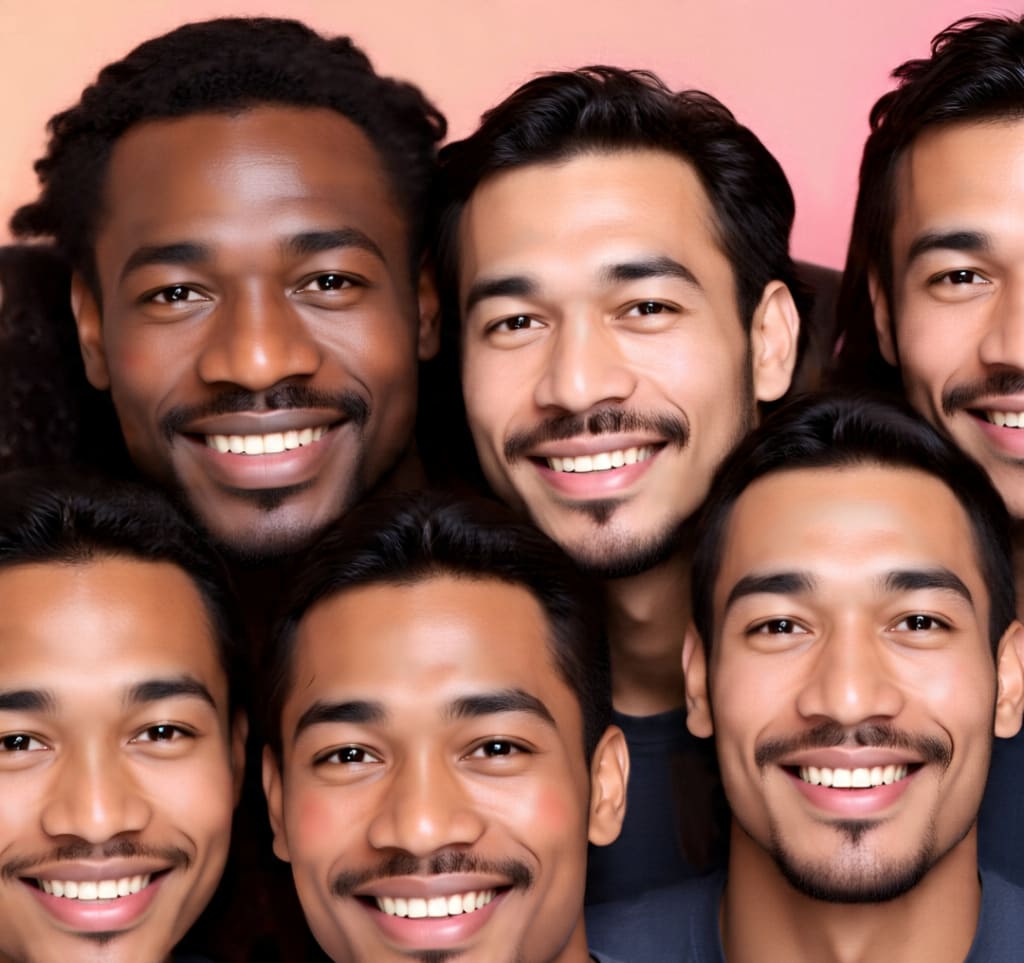
It begins with a whisper of color—barely there, yet unmistakable. The perfect flush. A pink hue dusted across the cheeks that speaks of vitality, health, even love. From powdered petals to high-tech pigments, blush has long been more than just a cosmetic—it's a cultural artifact, a science, and an evolving art form.
A Kiss of Color Through Time
Blush—once known as rouge—has colored human history for millennia. Ancient Egyptians crushed red ochre and mixed it with fat to smear across their cheeks, a ritual as much spiritual as aesthetic. To them, beauty was divine, and the flush of red symbolized life and power.
Across the world in ancient China, women in the Tang Dynasty used safflower petals to stain their cheeks. In Greece and Rome, berry juices and mulberry pastes brought blood to pale complexions. But it was in 18th-century France that blush reached its decadent peak. At Versailles, both men and women caked their faces with white powder and bright red rouge, signaling nobility and leisure. To be pale was to be privileged; to blush was to be desirable.
But makeup’s history isn't just one of adornment—it's one of rebellion and reinvention.
Blush, Banned and Reborn
During England's Puritan era, rouge became suspect. Red cheeks were associated with vanity—or worse, vice. The church condemned it; society whispered. A woman wearing rouge might be mistaken for an actress, or more scandalously, a courtesan. And yet, even in these restrictive times, women pinched their cheeks or rubbed them with rose petals to simulate a natural glow.
The Victorian era brought a peculiar paradox. Blush was frowned upon as artificial, but a flushed complexion remained the ideal. Women turned to discreet means—biting lips, brisk walks in cold weather, or secret dabs of beet juice. Naturalness was a performance, and the act of blushing—a bodily reaction to emotion—became a metaphor for modesty and virtue.
It wasn’t until the early 20th century, with the advent of mass-market cosmetics and beauty icons like Clara Bow and later Marilyn Monroe, that blush re-entered the mainstream. Hollywood glamorized it. Advertisers sold it. And soon, every woman had a compact in her purse, a little mirror in her hand, and a color to call her own.
The Science of the Flush
But why does a bit of color on the cheeks make such a difference? The answer lies in biology. Blushing mimics the body’s natural response to emotional or physical stimulation—whether from excitement, attraction, or exertion. A flushed face signals health and youth, even fertility. It draws attention, creates symmetry, and conveys vitality.
Modern formulations have only enhanced the illusion. Creams, powders, gels, stains—each designed to blend seamlessly with skin tones across every complexion. Cosmetic chemists now manipulate particle size and pigment composition to achieve what nature once did with blood flow. Some products even use light-reflecting particles to give cheeks a subtle radiance—no emotion required.
And yet, the perfect flush remains an elusive art.
The Application as Ritual
Ask any makeup artist, and they’ll tell you: blush is often the most misunderstood tool in the kit. Too much, and it’s theatrical. Too little, and the face looks flat. The placement is just as crucial—on the apples of the cheeks for a youthful glow, along the cheekbones for sculpted elegance, high on the temples for a sun-kissed look. And color? It must align with skin tone, undertone, and the occasion.
But more than a technique, applying blush is a ritual. For many, it’s the final step—a crowning touch that brings the face to life. It’s the moment in the mirror when someone sees not just their reflection, but their transformation. A bit of blush can lift a mood, boost confidence, and create a sense of readiness for the world.
Cultural Expressions and Empowerment
In recent years, blush has taken on broader cultural meaning. K-beauty trends have popularized the “aegyo-sal” look, with blush placed under the eyes for a youthful, doll-like innocence. On the other hand, Western makeup influencers favor bold, high-placed blush, often blending it into eyeshadow—a form of self-expression more than seduction.
Blush, once a symbol of demure femininity, is now a tool of identity. It’s worn by men, nonbinary individuals, and drag artists. It’s been reclaimed from its gendered past and embraced as a fluid form of self-decoration. The flush no longer belongs to biology—it belongs to choice.
The Eternal Allure
Despite shifting trends, one thing remains constant: the power of blush to transform. It reminds us of our humanity, our vulnerability, and our desire to be seen. Whether worn to attract, to perform, or simply to feel alive, the perfect flush continues to enchant.
Because in the end, to blush is to feel—and to feel is to be beautifully, unmistakably alive.
About the Creator
Keep reading
More stories from Muhammad Saad and writers in Blush and other communities.
Samantha's Solution: A Spark for Sustainable Change
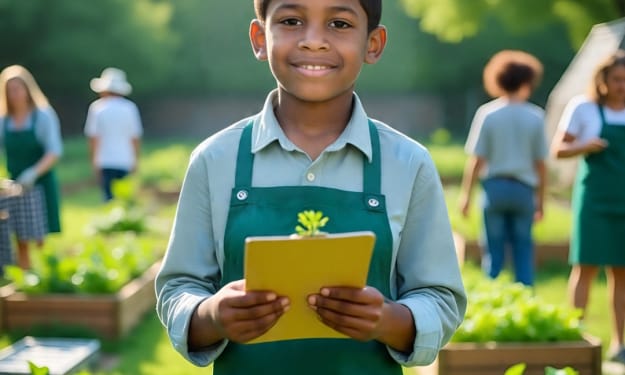
Samantha's Solution: A Spark for Sustainable Change How One Woman's Vision Is Empowering Communities and Protecting the Planet In the heart of Nairobi’s bustling outskirts, a small workshop buzzes with activity. Women sew fabric, children laugh as they fill reused bottles with clean water, and solar panels glisten under the Kenyan sun. This is the headquarters of "SamaGreen"—a community-based initiative founded by Samantha Wanjiru, a woman whose bold vision is transforming lives and protecting the environment. Five years ago, Samantha was a frustrated environmental scientist working in a government office. She had entered the field with dreams of saving the planet but found herself bogged down in paperwork, red tape, and endless meetings. “We talked about solutions,” Samantha recalls, “but no one was actually implementing them where they mattered most—on the ground, in the communities that needed them.” Her turning point came during a visit to her grandmother's village in Murang’a County. The air was thick with smoke from cooking fires, the river—once a source of clean water—was polluted, and plastic waste littered the fields. “It wasn’t just an environmental crisis. It was a human one,” she says. “People were sick, crops were failing, and there was a feeling of helplessness.” That night, Samantha scribbled down a plan in her notebook. What if she could create an initiative that tackled both poverty and pollution? Something practical. Something community-driven. Something sustainable. The first version of SamaGreen was simple. With a small savings group of local women, Samantha introduced the idea of using agricultural waste—like sugarcane husks and maize cobs—to make clean-burning briquettes for cooking. They experimented in her grandmother’s backyard using homemade molds and a repurposed oil drum. The results were promising: the briquettes burned longer than charcoal, produced less smoke, and were significantly cheaper. News of the innovation spread. More women joined, eager to learn and earn. Samantha began training locals not just in briquette-making but in permaculture gardening, waste management, and solar cooking. “The key was education,” she explains. “Not just handing out technology, but building understanding and ownership.” By year two, SamaGreen had grown into a cooperative. They partnered with local schools to teach children about sustainability. They launched workshops on upcycling—turning old clothes into reusable bags, discarded plastics into eco-bricks, and glass bottles into lamps. “Every bit of waste was a potential resource,” Samantha says. The impact was undeniable. Families reported fewer respiratory illnesses from indoor smoke. Farmers who adopted composting and water-conservation techniques saw better yields. The streets of the village became cleaner. Women who once struggled to provide for their families now earned a stable income and gained newfound respect in their communities. But the road wasn’t easy. At one point, a shipment of faulty solar panels threatened to bankrupt the project. Another time, local officials accused SamaGreen of operating without permits—an attempt, Samantha suspects, to extract bribes. “I learned to be tougher,” she says. “When you’re disrupting systems, especially those that benefit from inefficiency and pollution, you face pushback.” She kept going, fueled by community support and a belief in her mission. Today, SamaGreen operates in five counties across Kenya and is being studied as a model by international NGOs. Samantha has spoken at the UN Environment Assembly and was recently awarded the Global Eco-Innovator Prize. But she insists the real success belongs to the people. “Empowerment means handing over the tools—and trusting that people will know how to use them,” she says. In a shaded area behind the workshop, teenage boys are constructing a rainwater harvesting system from recycled gutters. Nearby, a group of young mothers are learning how to grow mushrooms in stacked crates. Everything about SamaGreen is alive with innovation and collaboration. Samantha's solution was never just about green technology—it was about changing mindsets. “We’re not saving the planet by planting a few trees or banning plastic bags,” she says. “We’re saving it when entire communities take ownership of their role as stewards of the earth.” As the sun sets over the vibrant hub of activity, Samantha stands quietly, watching children play beside a community garden irrigated by graywater recycling. Her vision, once just scribbles in a notebook, has grown into a living example of what happens when passion meets purpose. In a world overwhelmed by climate anxiety, Samantha Wanjiru offers a different narrative—one of hope, action, and local solutions with global impact. Samantha’s solution wasn’t just a spark. It was the beginning of a wildfire—forging a new, sustainable path for communities across Kenya, and perhaps, the world.
By Muhammad Saad 6 months ago in Blush
How to Use a Sugar Scrub the Right Way for Softer, Smoother Skin
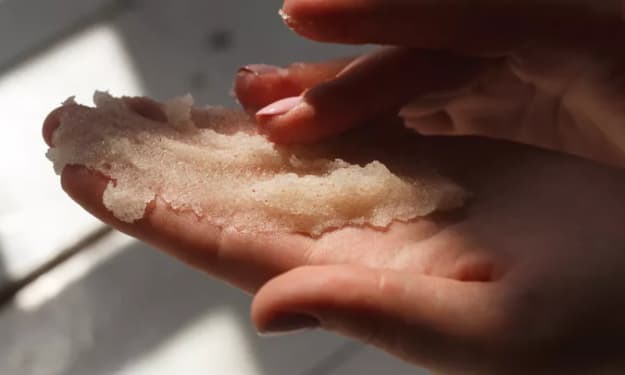
In This Article ✅What Is a Sugar Scrub? ✅How to Properly Use a Sugar Scrub Your shower routine probably has all the basics covered: shampoo, conditioner, and sudsy body wash. But a fourth addition to this regimen—a good old fashioned sugar scrub—can make all the difference both in terms of your skin’s hydration and overall glow factor. With insights from a seasoned skincare pro, we’re diving into what sugar scrubs are and why they’re an absolute shower must, plus a quick rundown on how to properly use a sugar scrub.
By Good health to everyone7 days ago in Blush
How Independent Filmmakers Are Rethinking Film Financing
Over the past decade, the economics of filmmaking have been quietly transforming. For many years, large studios controlled most aspects of film production, from financing to distribution. Today, however, independent filmmakers are discovering new ways to bring projects to life without relying entirely on traditional studio systems.
By Andreas Szakacs4 days ago in Blush


Comments
There are no comments for this story
Be the first to respond and start the conversation.