
Beyond Wayback Machine: Top Alternatives for Saving Web Pages
wayback machine alternatives

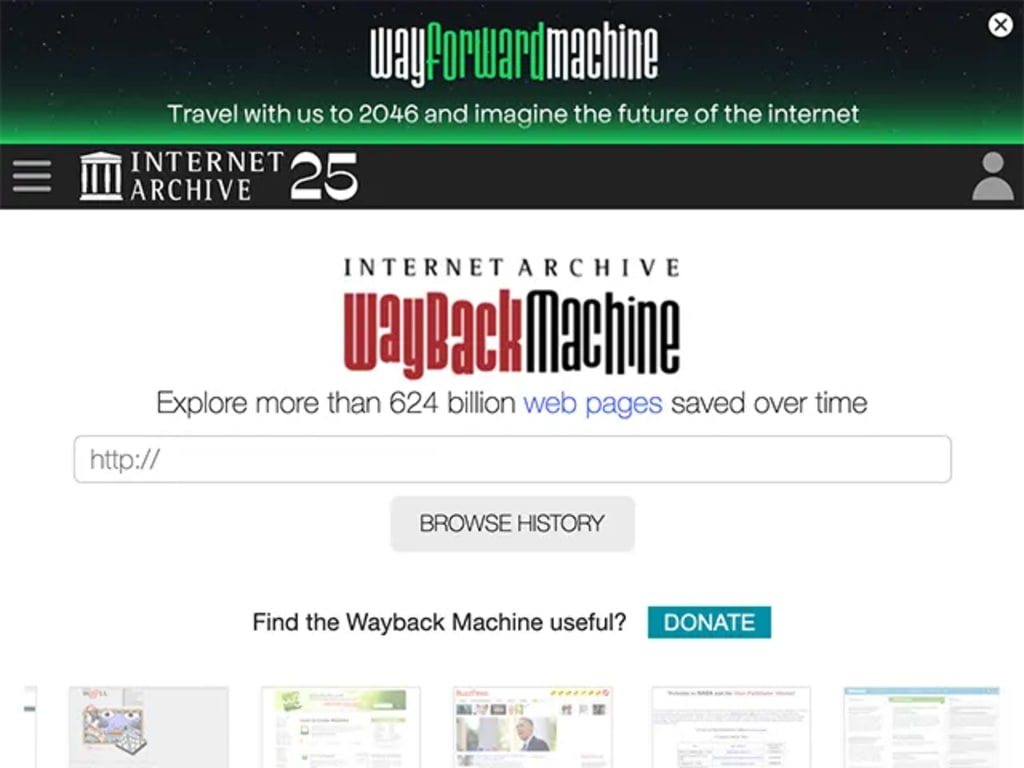
The Wayback Machine has long been a go-to tool for archiving websites and accessing snapshots of past web pages. However, there are several **Wayback Machine alternatives** that offer unique features and capabilities. In this blog, we will explore some of the best tools available for saving web pages, ensuring that your digital content is preserved and easily accessible for future reference.
### Why Consider **Wayback Machine Alternatives**?
While the Wayback Machine is a widely-used tool, it does have its limitations. For example, it may not capture every webpage or may have difficulty with sites that require user interaction or authentication. Additionally, some users prefer alternatives for reasons like speed, additional features, or better control over their saved content.
If you're looking to preserve websites more efficiently or need more flexibility than the Wayback Machine provides, here are some excellent alternatives to consider.
### 1. **Archive.today**
Archive.today is a powerful web archiving tool that allows you to save snapshots of web pages in real-time. It’s especially useful for capturing pages that may not be archived by the Wayback Machine. Archive.today offers a simple interface where users can input URLs and save a snapshot of the page instantly. One notable feature is that it can capture dynamic content, including JavaScript-rendered pages, which the Wayback Machine sometimes misses.
### 2. **WebCite**
WebCite is another reliable tool for archiving websites and preserving content for research purposes. It’s particularly favored by academics and researchers, as it allows you to create permanent links to web pages that will remain accessible even if the original page is deleted or altered. WebCite provides users with an easy way to reference online sources in research papers and publications.
### 3. **Perma.cc**
Perma.cc is a service designed to help you create permanent links to web pages for academic citation. It’s widely used by legal professionals, researchers, and libraries for ensuring that sources are preserved and accessible over time. Perma.cc offers high reliability and has a focus on saving pages with legal and academic importance, making it a great Wayback Machine alternative for scholarly work.
### 4. **Archive-It**
Archive-It is a subscription-based service from the creators of the Wayback Machine, but it offers more customization for those who want to take control of their web archiving. It’s used by institutions, libraries, and businesses to create tailored collections of websites, blogs, and other online content. Archive-It offers advanced features like selective archiving, regular crawls, and metadata management.
### 5. **The Internet Archive’s Wayback Machine API**
For users who need to integrate web archiving into their own systems or workflows, the Internet Archive provides an API for the Wayback Machine. Although it’s technically not an alternative, using the API can give you greater flexibility and control over your saved data. Developers can build their own solutions around the API to archive web pages automatically or on-demand.
### 6. **Memento Web**
Memento Web is an innovative service that allows users to access archived versions of web pages from a variety of sources, including the Wayback Machine, WebCite, and other web archives. It provides a more streamlined experience for users who want to search for and view older versions of web pages from multiple archives in a single place.
### 7. **Webrecorder**
Webrecorder is an advanced tool for creating high-fidelity web archives. Unlike traditional web crawlers, Webrecorder uses a browser-based approach to capture web pages interactively, making it ideal for archiving pages that rely on complex JavaScript or multimedia content. This is a great option for users who need a more precise and interactive archive compared to what the Wayback Machine alternatives offer.
### 8. **Time Travel**
Time Travel is a tool that helps you access historical versions of web pages. It pulls data from multiple sources, including the Wayback Machine and other archives. It’s a user-friendly alternative for those who simply want to explore past versions of websites without the need to manually search through multiple archives.
### Conclusion
While the Wayback Machine remains one of the most popular tools for saving web pages, there are several **Wayback Machine alternatives** that provide unique features and benefits. Whether you need advanced archiving capabilities, better control over the preservation process, or more customization options, these alternatives offer a variety of ways to ensure your web pages are safely stored and accessible for years to come.
By exploring these tools, you can make sure your favorite websites are archived exactly how you need them—whether for research, personal use, or professional purposes.
About the Creator
Guru in tech
Guru InTech is your go-to source for the latest insights on AI, business, finance, digital marketing, SEO, and digital trends.
https://guruintech.com/
Keep reading
More stories from Guru in tech and writers in Blush and other communities.
Analyzing the Trump Coin Crash: What Happened?
The cryptocurrency market is full of surprises, and one of the most shocking events in recent times was the **Trump Coin Crash**. What started as a politically charged and hyped-up digital token quickly became a symbol of volatility and uncertainty. In this blog, we’ll take a deep dive into the factors behind the Trump Coin crash, what went wrong, and what it means for the future of political tokens.
By Guru in tech10 months ago in Blush
The Story of Tyler and Charlie
JOHN BROWN V. HITLER In a world often divided by prejudice and misunderstanding, the meeting of two seemingly opposing figures, Tyler and Charlie, became a pivotal moment in their lives. Tyler, known for his compassionate heart, found himself in a position that challenged his beliefs and values. Charlie, who had lived a life filled with controversy and conflict, represented a past that many wished to forget. Yet, in this extraordinary encounter, Tyler saw an opportunity for redemption and forgiveness that could transcend their differences.
By Organic Products 4 days ago in Blush




Comments
There are no comments for this story
Be the first to respond and start the conversation.