
Benefits of Fruits for Skin Whitening
Nature’s sweet solution for bright, even, and glowing skin in 2025

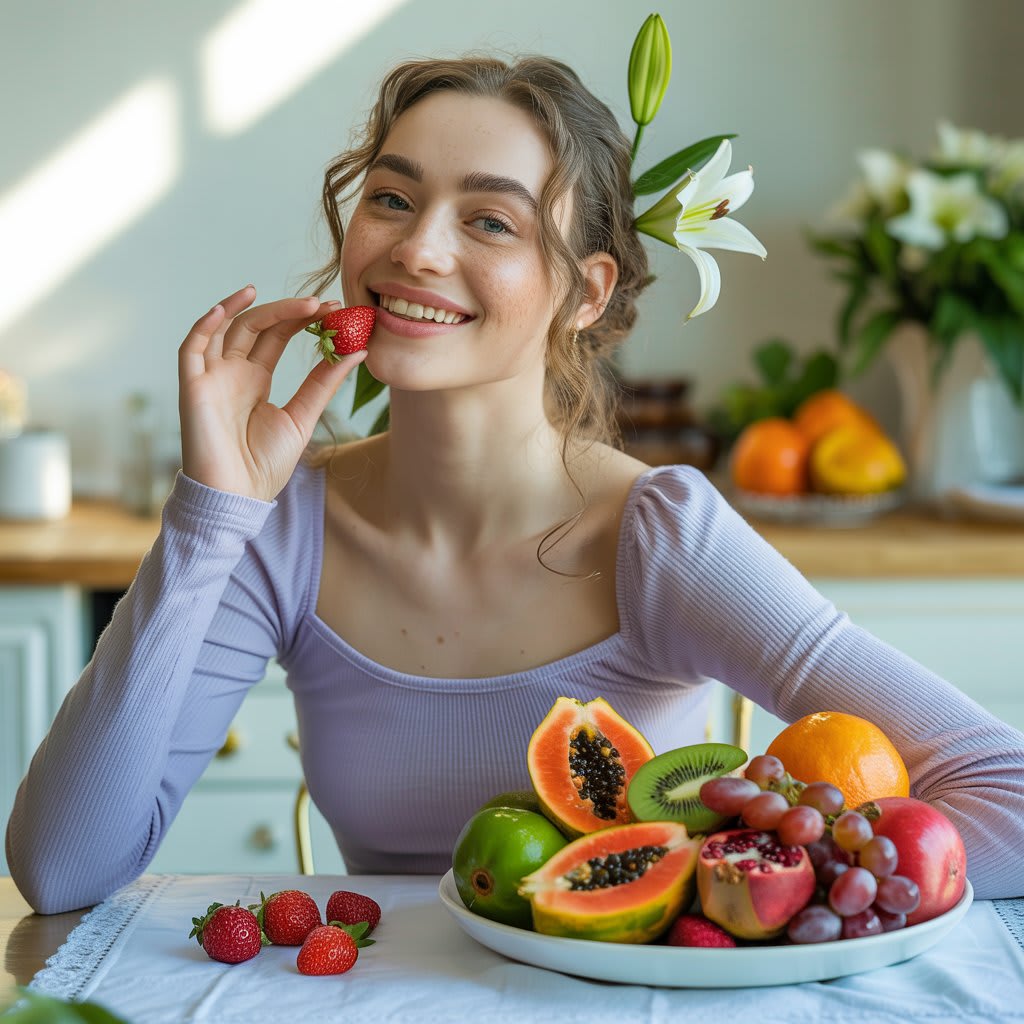
In 2025, beauty has shifted back to its roots—literally. As the skincare world moves away from harsh bleaching agents and embraces natural alternatives, fruits are emerging as powerful allies in achieving bright, even-toned, and radiant skin. Packed with antioxidants, vitamins, enzymes, and water content, fruits are nature’s purest and safest skin-whitening secret.
Instead of focusing on “fairness,” which often promotes unrealistic beauty standards, today’s skincare focus is on brightness, clarity, and glow. And fruits can help achieve that by repairing damage, reducing pigmentation, and naturally enhancing your complexion.
Let’s explore how fruits contribute to skin whitening, which ones offer the most benefits, and how to incorporate them into your diet and skincare routine in 2025.
Why Choose Fruits for Skin Whitening?
Fruits are rich in skin-brightening nutrients like vitamin C, A, E, zinc, potassium, polyphenols, and natural acids. These ingredients help:
● Reduce melanin production naturally
● Lighten dark spots, acne scars, and hyperpigmentation
● Provide hydration for a dewy glow
● Fight free radicals that cause dullness and aging
● Boost collagen production for a smoother texture
When used regularly—either topically or through diet—fruits can significantly improve your skin’s tone and texture without side effects.
1. Papaya – The Enzyme Powerhouse
Papaya contains an enzyme called papain, which is known for its exfoliating and skin-whitening effects. It removes dead cells, clears impurities, and promotes even skin tone.
Topical Use:
Mash ripe papaya and apply directly to your face as a mask for 15 minutes. Use twice a week to see visible brightness.
Consumption:
Eating papaya daily improves digestion, which in turn reflects in clearer, more radiant skin.
2. Lemon – Vitamin C Booster for Hyperpigmentation
Lemon is a rich source of vitamin C, a powerful antioxidant that reduces melanin and fades dark patches and sun spots. It’s one of the most popular fruits for skin whitening.
Topical Use:
Mix lemon juice with honey or aloe vera and apply it as a spot treatment. Always use sunscreen afterward, as lemon can make your skin sun-sensitive.
Consumption:
Start your day with warm lemon water. It detoxifies your body and boosts skin radiance.
3. Orange – Radiance in Every Segment
Like lemon, oranges are packed with vitamin C and citric acid. They help lighten marks, fight aging, and hydrate your skin.
Topical Use:
Use dried orange peel powder mixed with milk or yogurt as a brightening mask. This removes tan and reveals a fresh glow.
Consumption:
Drink fresh orange juice or eat whole oranges to nourish your skin from within.
4. Banana – The Hydrating Healer
Bananas are rich in potassium, vitamin B6, and antioxidants that improve skin texture, even out tone, and reduce scars.
Topical Use:
Mash a banana with honey and apply it to your face. It hydrates and softens skin instantly while brightening dull patches.
Consumption:
Eating bananas regularly supports collagen health and keeps your skin supple and glowing.
5. Strawberry – The Natural Skin Brightener
Strawberries contain ellagic acid and vitamin C that help fade pigmentation, tighten skin, and protect against UV damage.
Topical Use:
Crush strawberries with yogurt and apply the paste to your face for 10–15 minutes. It acts as a gentle exfoliator and brightens skin.
Consumption:
Add strawberries to your breakfast bowl for daily antioxidant support.
6. Pineapple – Exfoliation and Glow in One Fruit
Pineapple contains bromelain, an enzyme that dissolves dead skin cells and gives the skin a natural polish.
Topical Use:
Rub fresh pineapple juice on areas with dark spots or rough texture for 5 minutes. Rinse thoroughly.
Consumption:
Drink pineapple juice weekly to reduce inflammation and promote clear skin.
7. Pomegranate – The Glow-Enhancer
Rich in polyphenols and antioxidants, pomegranate reduces oxidative stress, reverses sun damage, and promotes glowing skin.
Topical Use:
Mix pomegranate juice with clay or gram flour for a mask that revives dull skin.
Consumption:
A glass of pomegranate juice improves blood flow and skin cell regeneration.
8. Apple – The Skin Toning Fruit
Apples contain malic acid, which exfoliates, brightens, and softens the skin naturally.
Topical Use:
Apply grated apple with rose water as a quick mask to revive tired, uneven skin.
Consumption:
An apple a day keeps your complexion bright by supplying fiber and vitamins A and C.
9. Avocado – Fatty Goodness for Deep Nourishment
Though not typically associated with whitening, avocado deeply nourishes the skin and reduces uneven pigmentation over time.
Topical Use:
Mash avocado with a little lemon juice and apply it as a mask. It moisturizes and gently lightens scars and spots.
Consumption:
Healthy fats in avocado support collagen and keep skin firm and youthful.
10. Grapes – The Anti-Aging Brightener
Grapes, especially red and black, are packed with resveratrol, which reduces melanin, boosts cell turnover, and prevents premature aging.
Topical Use:
Crush grapes and apply the juice directly to your skin for a natural glow.
Consumption:
Snack on grapes daily for skin that stays bright and plump.
11. Watermelon – Hydration for Radiance
Watermelon is 92% water and full of vitamin C and lycopene. It hydrates the skin, flushes toxins, and gives you a healthy glow.
Topical Use:
Use watermelon pulp as a cooling mask after sun exposure to prevent tanning and reduce redness.
Consumption:
Daily watermelon consumption keeps your skin hydrated and evenly toned.
12. Kiwi – The Collagen Booster
Kiwi is an underrated fruit that contains twice the amount of vitamin C found in oranges. It helps fade pigmentation and supports skin firmness.
Topical Use:
Mix mashed kiwi with a bit of honey and apply it as a mask once a week.
Consumption:
Eating kiwi boosts your immune system and enhances skin brightness.
How to Incorporate Fruits into Your Skin Whitening Routine in 2025
● Eat the Rainbow Daily: Include a variety of fruits in your diet—raw, juiced, or in smoothies. Aim for 3–4 servings per day for best results.
● Apply Fruit Masks Weekly: Use fresh fruit pulp or juice mixed with natural ingredients like honey, yogurt, or aloe vera.
● Avoid Sugar-Loaded Alternatives: Go for whole fruits over canned juices or fruit-flavored snacks.
● Be Consistent: Natural skincare takes time. Use fruit-based remedies for at least 4–6 weeks to notice changes.
Cautions When Using Fruits on Skin
● Always do a patch test, especially for citrus fruits.
● Don’t use acidic fruit juices on broken or sensitive skin.
● Avoid sun exposure immediately after applying lemon or orange juice.
● Limit fruit masks to 2–3 times a week to avoid over-exfoliation.
Trending in 2025: Fruit-Enzyme Skincare Products
Many beauty brands in 2025 are creating fruit enzyme–infused serums, scrubs, and creams. Products with papaya, pineapple, and grape enzymes offer gentle exfoliation and brightness without irritating the skin. Look for clean-label, organic formulations for best results.
Conclusion: Fruit Is the Future of Brightening Beauty
The benefits of fruits for skin whitening go far beyond just appearance—they reflect a lifestyle of health, nourishment, and self-care. In 2025, people are turning toward natural methods that treat their skin with kindness, and fruits are leading the charge.
No shortcuts, no bleaching—just nature doing what it does best.
---
Have you tried using fruits in your skincare routine? Which fruit gave you the most noticeable glow? Share your fruity favorites—we’d love to hear your tips and results!
Note:
This article was created with the assistance of AI (ChatGPT), then manually edited for originality, accuracy, and alignment with Vocal Media’s guidelines.
About the Creator
The Blush Diary
Blending romantic tales with beauty secrets—each story a soft whisper of love, each tip a gentle glow. Step into the enchanting world of The Blush Diary and don’t forget to subscribe for more! 🌹
Keep reading
More stories from The Blush Diary and writers in Blush and other communities.
Best Super Face Whitening Lotion in 2025
In 2025, skincare has become smarter, cleaner, and more effective than ever. People are no longer chasing unrealistic beauty standards but are focusing on radiant, healthy, and even-toned skin. One product that continues to gain attention across the globe is the super face whitening lotion—formulated not to bleach the skin, but to gently reduce dark spots, improve skin texture, and unveil your natural brightness.
By The Blush Diary6 months ago in Blush
Aloe Vera in Skin Care
In recent years, the beauty industry has embraced aloe vera, infusing it into an array of skin care products ranging from moisturizers, serums, and masks to soothing gels and ointments. This versatile plant offers a variety of benefits for all skin types.
By Good health to everyonea day ago in Blush
Ludacris and Nelly draw backlash over bookings at MAGA-coded music festival
Ludacris and Nelly headlining a mostly right-wing event is good for them. It’s also great for the genre of hip hop. The two rap veterans have showcased their talents on other stages. Why can’t they perform for mostly MAGA folks and grab that bag?
By Skyler Saunders4 days ago in Beat



Comments
There are no comments for this story
Be the first to respond and start the conversation.