
BEGINNER SKIN CARE
Prevent wrinkles, hydrate dry skin and treat other skin concerns. It all starts with a personalized skincare routine. Discover yours!
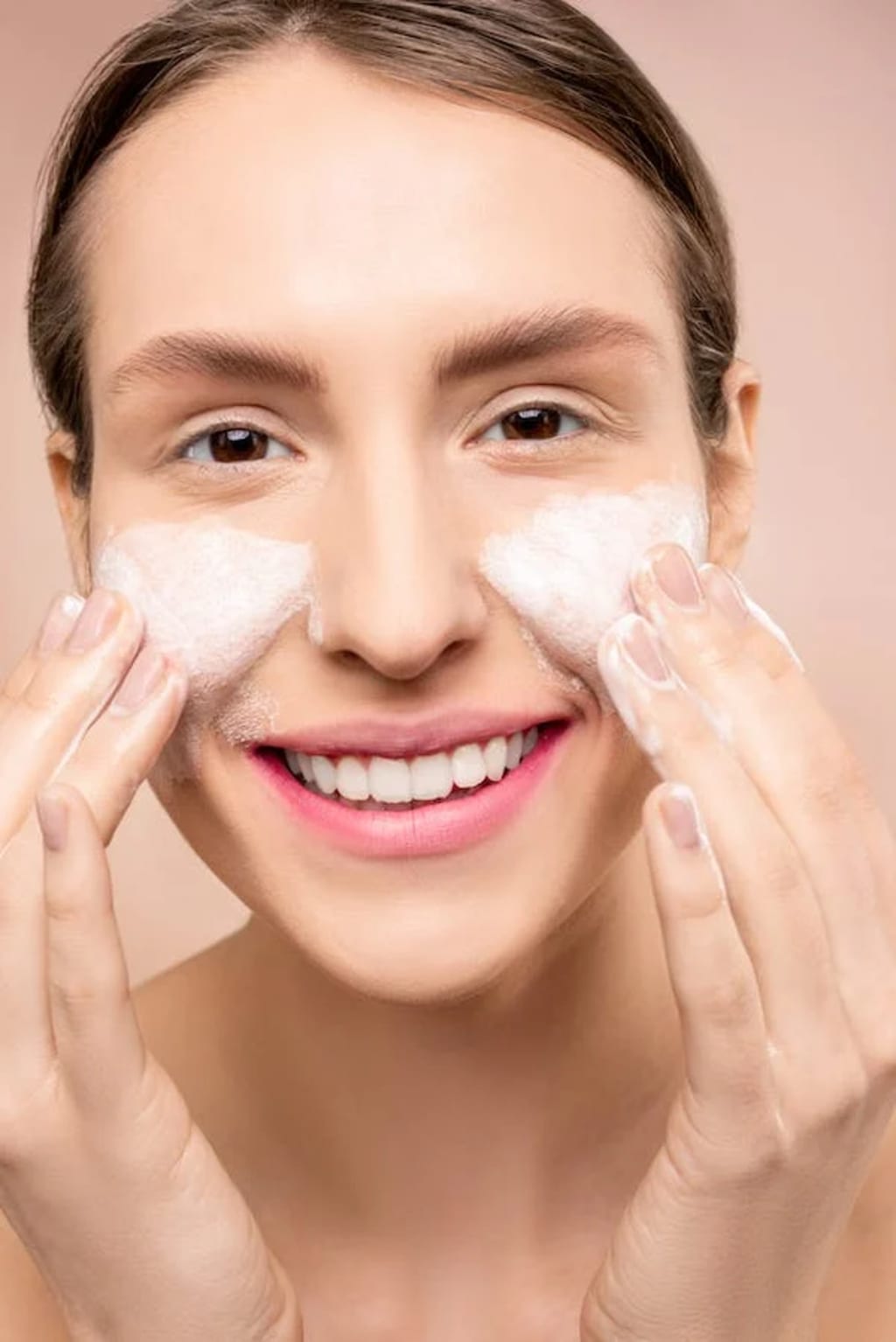
WHAT EXACTLY IS A SKINCARE ROUTINE, AND WHY DO I NEED ONE?
To achieve the desired results, you must follow a comprehensive skincare regimen. A basic skincare regimen includes a cleanser, an exfoliator, and a day and night cream. These products complement one another to get the finest results for your skin. With a more complex routine, you can incorporate treatments to better tailor them to the needs of your skin.
A SINGLE PRODUCT CAN NOT DO IT ALL
To keep your skin soft, protected, and healthy, perform three activities twice a day: cleanse, exfoliate, and protect/moisturize. It is the absolute bare minimum for meeting the vital demands of each type of skin. To show off healthy and glowing skin, you must first cleanse it to remove impurities and makeup, and then exfoliate it to remove dead cells, unclog pores, and minimize skin micro-inflammations, before moisturizing and providing it with the antioxidants and repairing nutrients it needs. Broad-spectrum sunscreen should be included in your day cream.
WHAT ARE THE ESSENTIAL SKINCARE PRODUCTS AND HOW DO YOU USE THEM?
Your skincare routine should comprise at least four items, depending on your skin type: a cleanser, an exfoliator, a day cream, and a night cream. These are the key goods for meeting all of your skin's basic needs and preserving its good health and look in the short and long term.
HOW TO CHOOSE A CLEANSER?
If you have normal to dry skin, choose a cream or fluid-textured face cleanser to gently wash and nurture your skin without over-drying it. If you have mixed oily skin, go for a fluid texture.
HOW DO I SELECT AN EXFOLIATOR?
Your skin type and concerns will influence whether you use an AHA or BHA exfoliant. AHA is an abbreviation for alpha hydroxy acid. BHA is an abbreviation for beta hydroxy acid.
AHAs are sweet fruit-derived water-soluble acids. They aid in the removal of the skin's surface so that new, more uniformly pigmented skin cells can form and take their place. You'll probably find that your skin feels smoother after using it. BHAs, on the other hand, are oil-soluble. BHAs, as opposed to AHAs, can penetrate deeper into the pores to eliminate dead skin cells and excess sebum.
We recommend an AHA exfoliator for normal to dry skin. A BHA exfoliator should be used in conjunction with oily skin that is prone to breakouts, plugged pores, and blackheads. For sensitive and redness-prone skin, also a BHA exfoliator.
HOW TO CHOOSE A DAY CREAM?
Whether it's a day or night cream, you need a texture that suits your skin type. If you have normal to dry skin, choose a creamy texture to keep it hydrated. Instead, if you have a combination with oily skin, look for a smooth texture that won't make your skin feel heavy, clog pores, or promote breakouts.
HOW TO CHOOSE A NIGHT CREAM?
In the evening, skincare can be completed with a night cream. This should get you more than just hydration. Beyond sunscreens, both day and night creams contain antioxidants and repairing ingredients to help strengthen the skin's barrier and maintain balanced hydration, This is designed to help your skin work properly and look great. Using a night cream as the final step in your nightly skincare routine will leave your skin soft and youthful.
HOW DO I KNOW IF A PRODUCT IS RIGHT FOR ME?
Your skin type determines the texture that works best for your skin. You can tell what type of skin you have by observing how your skin reacts after cleansing with a cleanser. If your skin feels uncomfortable and tight, you have dry skin. On the contrary, if it's shiny, you have oily skin. If you have a lot of oily or tight areas, you have combination skin. If it doesn't bother you and doesn't look oily, then you have normal skin.
As a rule of thumb, normal to dry skin needs a creamy texture to nourish and moisturize the skin, while oily skin needs a more liquid-like, lighter texture to prevent pore clogging. You want a texture. If you have combination skin, you can choose both, cream for dry spots, and liquid for oily spots.
HOW CAN I PERSONALIZE MY SKINCARE ROUTINE?
Over time, you may find that your skin needs more attention to address certain skin concerns.
BUTTON; taking proper basic care can already do a lot for acne: cleansers remove all impurities from the skin. Exfoliating removes dead skin cells and unclogs pores (the cause of breakouts).
FOLDS; as we age, we are entitled to wrinkles and fine lines. Retinol (Vitamin A) is one of the most powerful ingredients in fighting skin aging. It protects the skin from harmful environmental influences that cause aging. To help reduce the appearance of this damage, retinol makes the skin look more youthful.
BROWN SPOTS; brown spots should be called black spots. They appear after exposure to unprotected sunlight. An important thing about brown spots, prevention is better than cure. It's important to end your morning routine with a day cream.
DRY SKIN; your basic skincare routine must consist of skin-friendly products whose primary functions are nourishment and moisturization.
HOW DO I INCORPORATE `EXTRAS' INTO MY SKINCARE ROUTINE?
Follow these guidelines when adding skincare to your routine.
Step 1: Cleanser
Step 2: Lotion
Step 3: Exfoliator
Step 4: Booster, Treatment, and/or Serum
Step 5: Day/Night Cream
Routine Booster, Treatment, and / Or if you use serums, we recommend applying them with the liquids first, depending on their texture.
HOW DO I KNOW IF I'M USING THE CORRECT ROUTINE?
If the routine works for you, you'll notice a big difference in your skin. Your skin will instantly feel softer, and radiant and look great. Visible results of more persistent problems may take longer (they didn't appear overnight either). When you start a new routine or add a new treatment to your routine, take two to three weeks to decide if it's the right routine for you and to see the difference.
SHOULD THE SKINCARE ROUTINE BE ADAPTED ACCORDING TO THE SEASONS?
Once you find a routine that works for your skin, you don't have to change it seasonally. The basic needs of the skin are the same whether it is summer or winter, wind or rain. If your skin stays the same, summer or winter, you don't need to change your routine. When you go on vacation, you can carry a travel-sized routine with you. This will help keep your skin looking its best all year long. Some people prefer lighter textures in summer. If your skin tends to dry out in the winter, you can add other moisturizing treatments to your routine. But that doesn't apply to everyone, and everyone's skin is different.
About the Creator
Keep reading
More stories from writers in Blush and other communities.
Is the Viral 10-Step Korean Skincare Routine Really Helpful?
The 10-step Korean skincare routine has been one of the most trending in the beauty world lately. It is claimed to provide us with glass-like skin. The beauty regimen is based on prevention and frequency, and it is geared towards using lightweight products to improve the skin barrier. But it is as good as it is and cannot be allowed in all cases.
By Good health to everyone4 days ago in Blush
Korean Skincare Secrets: The Best Serums to Repair and Restore your Glow
You know that moment when your skin just looks tired, dull, uneven or not quite as radiant as it used to be? Trust me, we’ve all been there. Life happens, and our skin feels it in more ways than none. That effortless glow starts to fade, and suddenly your usual routine just isn’t doing enough.
By Good health to everyone7 days ago in Blush



Comments
There are no comments for this story
Be the first to respond and start the conversation.