
Balayage, Ombré, or Babylights? Find Your Perfect Hair Color
Discover which hair coloring trend suits your style, skin tone, and maintenance routine best

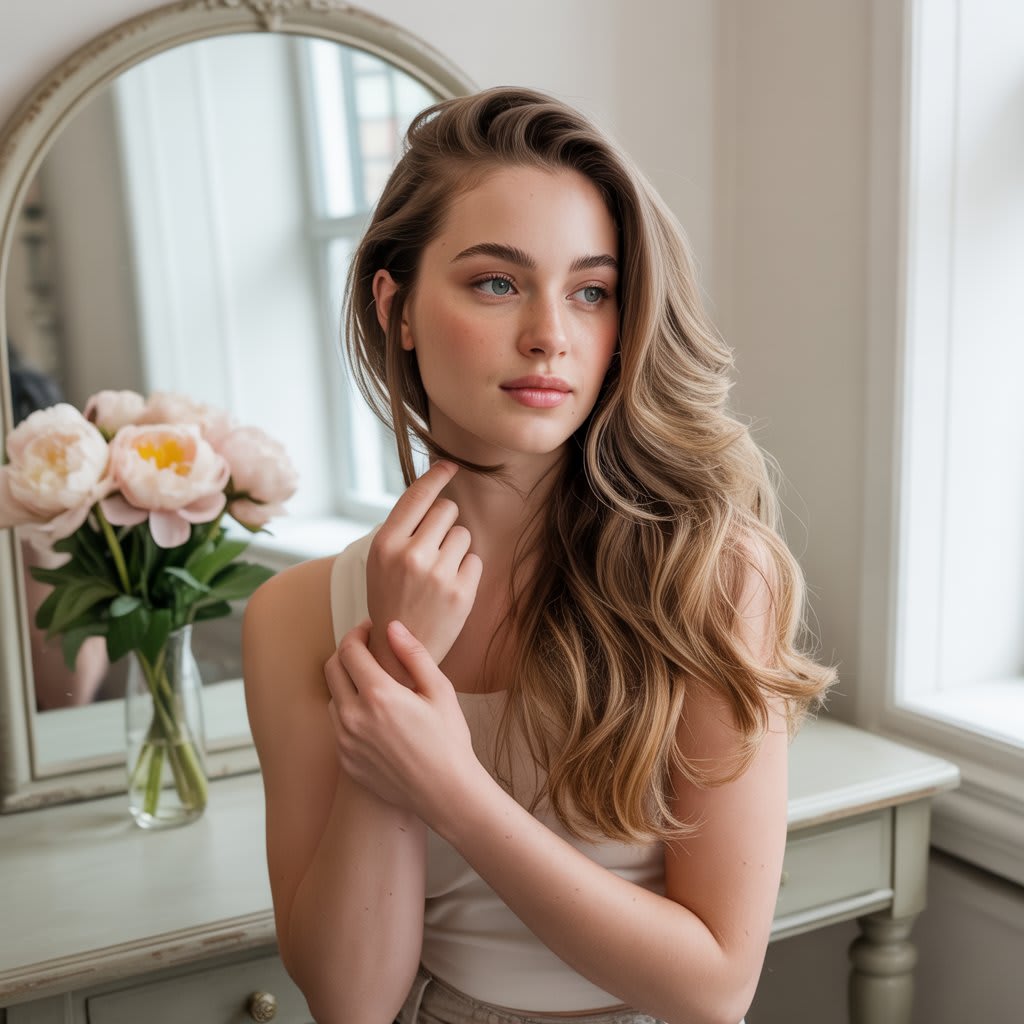
Hair color isn’t just a beauty choice—it’s a statement. Whether you’re craving a subtle enhancement or a bold transformation, the right technique can make all the difference. Among today’s most sought-after color trends are balayage, ombré, and babylights. Each offers its own unique aesthetic, maintenance level, and visual impact. But how do you know which one is perfect for you? Understanding the differences, benefits, and best uses for each technique will help you choose a look that fits not just your style, but also your lifestyle. Here’s everything you need to know to find your perfect match in the hair color world.
Balayage: Effortless, Natural-Looking Dimension
Balayage is a French word meaning “to sweep.” This technique involves hand-painting highlights onto the hair in a sweeping motion, creating soft, natural-looking dimension. Unlike traditional foil highlights, balayage isn’t applied from root to tip. Instead, color is focused from mid-length to ends, with a gentle gradient. This gives the hair a sun-kissed effect, as if you’ve spent the summer on the beach. Balayage works beautifully on all hair lengths, textures, and base colors. It’s especially flattering on layered cuts, where the painted strokes catch light and add movement. Best of all, balayage is low-maintenance. Since the roots are left natural, there's no harsh grow-out line, meaning you can go months without needing a touch-up. This makes it perfect for busy professionals, moms, or anyone who wants color without the constant upkeep. Balayage suits those who prefer a soft, blended look over dramatic contrast.
Ombré: Bold Contrast with a Smooth Gradient
Ombré, meaning “shaded” in French, features a two-toned hair color transition. Typically, the hair is darker at the roots and gradually lightens toward the ends. The effect can be subtle and natural or bold and eye-catching, depending on the colors used. A classic ombré look might start with deep brown roots that melt into caramel or blonde tips. It’s a striking, fashion-forward choice that works best on medium to long hair, where the gradient has enough length to blend. Ombré is ideal if you love contrast and want your color to stand out. While it offers a bold statement, ombré is also relatively low-maintenance. Because the roots remain untouched, you can grow it out without constant retouching. However, it’s important to maintain the ends with regular trims and deep conditioning, as the lighter tips can be prone to dryness. Ombré pairs well with straight or wavy textures and adds visual drama with minimal styling.
Babylights: Soft, Subtle Glow for a Natural Look
Babylights are ultra-fine highlights that mimic the natural, sunlit tones seen in children's hair. These delicate strands are placed throughout the hair in small sections to create a luminous, multi-dimensional effect. Unlike chunky highlights, babylights blend seamlessly and are almost undetectable, making them ideal for those who want a whisper of color rather than a bold statement. Babylights are versatile and work on all hair types, from straight to coily. They are particularly flattering for people who want to brighten their look without committing to a drastic change. This technique is perfect for first-time color clients or anyone who wants to refresh their hair color without the need for regular salon visits. Since babylights are so fine and blend easily with your natural hair, they grow out gracefully. Maintenance depends on how light you go compared to your natural color, but most people can enjoy them for 8 to 12 weeks before needing a touch-up.
Choosing Based on Your Hair Goals and Lifestyle
If your goal is a subtle, beachy glow with minimal upkeep, balayage is your best friend. It allows for creativity and looks even better as it fades. If you love contrast and want your hair to make a bold fashion statement, go for ombré—especially if you enjoy experimenting with color, such as rose gold, violet, or ash blonde. For those who prefer a natural, “did-she-or-didn’t-she” finish, babylights deliver soft luminosity without obvious lines. Your lifestyle matters too. If you don’t visit the salon often, balayage and babylights are easier to manage. If you enjoy high-impact hair transformations and don’t mind more frequent care, ombré gives you that edge.
Skin Tone Matters Too
Each technique can be tailored to complement your complexion. For warm undertones, honey, caramel, and golden balayage shades flatter beautifully. If you have cool undertones, ash brown, platinum, or icy babylights create balance. Ombré looks stunning on olive and medium skin tones, especially when transitioning into warm blondes or auburns. The key is customization—ask your stylist to help match the tone of your chosen technique to your skin.
Styling and Upkeep
Balayage and babylights require minimal styling—just a bit of texture spray or curl cream, and you're photo-ready. Ombré can be styled sleek for drama or wavy for softness. All three styles benefit from color-safe shampoo, heat protectants, and occasional glossing treatments to keep tones vibrant.
The Verdict: Which One’s for You?
Balayage, ombré, and babylights each offer unique beauty and flexibility. Whether you want low-maintenance glow or high-impact drama, there’s a technique suited for you. The best part? These styles are customizable, so your hair will look uniquely yours.
Note:
This article was created with the assistance of AI (ChatGPT), then manually edited for originality, accuracy, and alignment with Vocal Media’s guidelines.
🎨Have you tried any of these hair color techniques? Which one made you feel the most confident—or which one are you dying to try next? Share your hair story in the comments!
About the Creator
The Blush Diary
Blending romantic tales with beauty secrets—each story a soft whisper of love, each tip a gentle glow. Step into the enchanting world of The Blush Diary and don’t forget to subscribe for more! 🌹
Keep reading
More stories from The Blush Diary and writers in Blush and other communities.
Heat-Free Hairstyles: Gorgeous Looks Without Damage
We’ve all been there—blow-drying in a rush, straightening out frizz, or curling for that perfect wave. But over time, heat tools take a toll. Split ends, dryness, breakage, and loss of shine become the price of daily styling. The good news? You don’t need to sacrifice your hair’s health for beauty. With the right heat-free hairstyles, you can look effortlessly polished and chic without touching a curling wand or flat iron. Whether your hair is straight, wavy, curly, or coily, there are beautiful no-heat looks you can rock for work, events, or casual days out. Let’s explore the best damage-free styles and tips that keep your strands healthy and stunning.
By The Blush Diary6 months ago in Blush
Aloe Vera in Skin Care
In recent years, the beauty industry has embraced aloe vera, infusing it into an array of skin care products ranging from moisturizers, serums, and masks to soothing gels and ointments. This versatile plant offers a variety of benefits for all skin types.
By Good health to everyoneabout 23 hours ago in Blush
Ludacris and Nelly draw backlash over bookings at MAGA-coded music festival
Ludacris and Nelly headlining a mostly right-wing event is good for them. It’s also great for the genre of hip hop. The two rap veterans have showcased their talents on other stages. Why can’t they perform for mostly MAGA folks and grab that bag?
By Skyler Saunders4 days ago in Beat

Comments
There are no comments for this story
Be the first to respond and start the conversation.